 John Myers
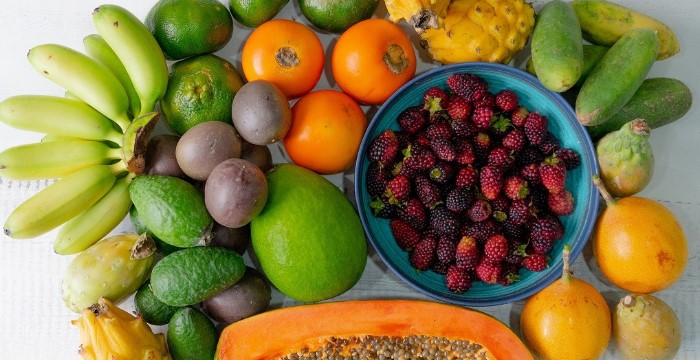
Introduction: Fruits in Chad
Chad, a landlocked country in Central Africa, is home to a variety of fruits that are unique to the African continent. The country’s tropical climate, fertile soils, and diverse ecosystems make it an ideal location for fruit production. Chad’s fruits are not only a source of nutrition but also play an important role in the country’s culture and traditions.
Overview of Fruit Production in Chad
Fruit production in Chad accounts for a significant portion of the country’s agriculture sector, which employs approximately 80% of the population. The most common fruits grown in Chad include mango, papaya, guava, banana, pineapple, and watermelon. These fruits are primarily grown by small-scale farmers who sell their produce in local markets.
Despite the abundance of fruit production in Chad, the country is still faced with significant challenges in terms of infrastructure, transportation, and market access. This has resulted in a large percentage of Chad’s produce being wasted due to inadequate storage facilities and inefficient distribution systems.
Popular Fruits in Chad
Mangoes are one of the most popular fruits in Chad, with over 30 varieties grown in different regions of the country. The fruit is not only consumed fresh but is also used in various traditional dishes and drinks. Papaya, also known as pawpaw, is another widely consumed fruit in Chad. It is often eaten as a snack or used in salads and smoothies.
Guava, which is rich in vitamin C, is another popular fruit in Chad. It is often eaten fresh or used in jams and jellies. Bananas, pineapples, and watermelons are also widely consumed in Chad, particularly during the hot season when they provide a refreshing source of hydration.
Nutritional Value of Chad’s Fruits
Chad’s fruits are a rich source of vitamins, minerals, and antioxidants. Mangoes, for instance, are high in vitamin C, vitamin A, and fiber. Papayas are rich in vitamin C, vitamin A, and folate, while guavas are high in vitamin C, vitamin A, and potassium. Bananas are rich in potassium, fiber, and vitamin C, while pineapples are high in vitamin C, manganese, and bromelain.
Buying and Storing Chad’s Fruits
Chad’s fruits are primarily sold in local markets and roadside stands. When buying fruits in Chad, it is important to choose fruits that are ripe and free of bruises and blemishes. Fruits should also be stored in a cool, dry place away from direct sunlight to prevent spoilage.
Traditional Uses of Chad’s Fruits
Chad’s fruits have been used in traditional African medicine for centuries. Mango leaves, for example, are believed to have antidiabetic properties and are used to treat diabetes in some parts of the country. The juice of the baobab fruit is also believed to have medicinal properties and is used to treat various ailments, including diarrhea and fever.
Modern Culinary Applications of Chad’s Fruits
In recent years, Chad’s fruits have been increasingly used in modern culinary applications. Mangoes, for instance, are used in salads, smoothies, and desserts, while papayas are used in salsas and chutneys. Guavas are used to make jams, jellies, and sauces, while bananas and pineapples are used in a variety of sweet and savory dishes.
Conclusion: Exploring Chad’s Fruit Diversity
Chad’s fruits are an important part of the country’s culture and traditions. They not only provide a source of nutrition but also play a significant role in traditional medicine and modern culinary applications. Despite the challenges that Chad faces in terms of infrastructure and market access, the country’s fruit diversity is a testament to the resilience and ingenuity of its people.


Facebook Comments