 John Myers
Introduction: The Origins of Gorditas
Gorditas are a traditional Mexican delicacy that have been enjoyed for centuries. The word “gordita” literally means “little fat one” in Spanish, and refers to the thick, round shape of the tortilla used to make the dish. The origins of gorditas can be traced back to pre-Columbian times, when indigenous peoples in Mexico would make tortillas with various fillings as a portable and nourishing food to take on long journeys.
Today, gorditas are enjoyed all over Mexico and have become a staple dish in Mexican cuisine. They are known for their versatility, as they can be filled with a variety of ingredients and served as a meal or snack. Gorditas have also gained popularity outside of Mexico, with many Mexican restaurants around the world offering them on their menus.
The Ingredients of a Traditional Gordita
The main ingredient in a traditional gordita is masa, which is a type of corn dough made from dried corn kernels that have been soaked in limewater. Other common ingredients include lard, salt, and water, which are mixed together to form the dough. Once the dough is prepared, it is formed into small balls and flattened into thick, round tortillas.
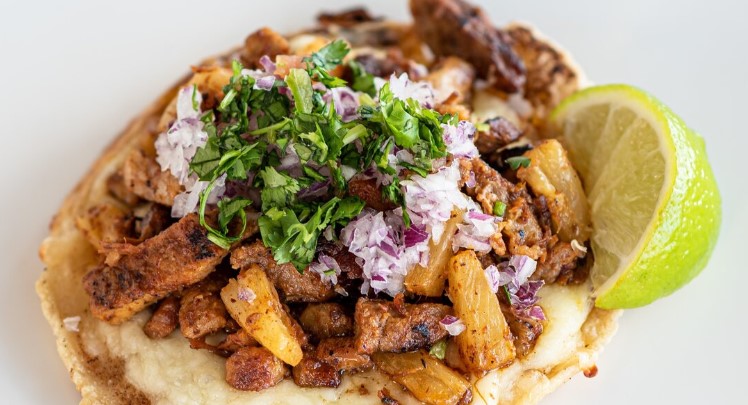
The filling of a gordita can vary depending on the region of Mexico and personal preference. Some popular fillings include refried beans, cheese, meat, and vegetables. The filling is placed in the center of the tortilla and the edges are folded up and pinched together to create a thick, round shape. The gordita is then cooked on a griddle or comal until it is crispy on the outside and soft and fluffy on the inside.


Facebook Comments