 Bella Adams
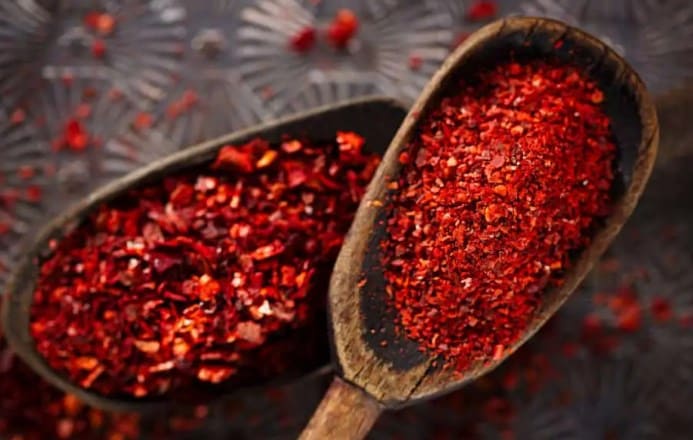
Ground red pepper is a spice made from bitter varieties of capsicum.
Capsicum is an annual vegetable plant of the Capsicum genus of the Solanaceae family. Today, many varieties of capsicum are known – from hot cayenne pepper, and chili pepper, to sweet bell pepper.
Capsicum is native to the tropical regions of America. Today, hot peppers are cultivated in countries with tropical climates, most notably in India and Thailand.
Nutritional value of ground red pepper
The caloric content of red pepper is 21 kcal per 100 grams of product:
- Proteins – 0.7 g
- Fats – 0.3 g
- Carbohydrates – 4.6 g.
The alkaloid capsaicin gives bitterness to hot peppers. The chemical composition of red ground pepper contains vitamins: group B, vitamin A, C, E, K, PP, beta-carotene, and choline. Minerals: potassium, calcium, magnesium, zinc, selenium, copper and manganese, iron, phosphorus, and sodium.
Useful properties of ground red pepper
Cooking is the most extensive area of the application of spice for a reason. Since ancient times, chefs have known that even the fattest meat will lose its high-calorie content if you add a portion of pepper to the marinade. The reason for this is that the spice makes it easier to digest heavy foods, which is especially helpful for weight loss.
The effect of ground red pepper on the human body is as follows: it helps to improve appetite, which leads to stimulation of the gastrointestinal tract, i.e. better digestion of food. It also improves the functioning of the pancreas, encouraging it to produce enzymes necessary for stomach function.
In addition to its positive effect on the stomach, it has a beneficial effect on the functioning of the intestines. The benefits are based on the bactericidal properties of pepper powder.
If you know exactly how to make a good spicy mixture of several pepper varieties, you can learn how to help the gastrointestinal tract cope with the effects of overeating.
Externally, pepper is used for various joint diseases in the form of compresses and pepper patches to get rid of coughs and other bronchopulmonary diseases. It is used for rheumatism and arthritis as a warming agent.
In addition to internal use, the spice is often used as a hair growth agent and for other cosmetic purposes. But, despite the fact that such a mask really provokes accelerated hair growth, the effect of its use does not last long.
Contraindications to the use of red pepper
In addition to its many positive qualities, the seasoning also has negative aspects. Usually, for healthy people, the harm is limited only to exceeding the individual dosage, which provokes inflammation of the gastric mucosa.
For the same reason, its consumption is contraindicated for those who suffer from diagnosed ailments:
- Stomach.
- Intestines.
- Increased likelihood of an allergic reaction.


Facebook Comments