 John Myers
Introduction: Rice as a Staple in Somali Cuisine
Rice is an essential ingredient in Somali cuisine. It is a staple food that has been a part of their daily diet for centuries. Rice is often served with a variety of vegetable and meat dishes, making it a versatile ingredient in Somali cooking. The Somali people have a strong cultural connection with rice, and it is considered an essential part of their culinary tradition.
Rice is not native to Somalia, but it has been a significant part of their diet for centuries. The country’s long coastline and fertile land make it an ideal place to grow rice. Rice is a popular food item in many countries, but in Somalia, it holds a special place. It is not only used in everyday meals, but it is also an integral part of their festivals and celebrations.
Historical Significance of Rice in Somali Diet
Rice has been a part of Somali cuisine for centuries. The country’s proximity to the Indian Ocean and the Middle East has brought many culinary influences that have shaped their cuisine. The introduction of rice to Somalia can be traced back to the 7th century when Arab traders brought it to the country. Rice was initially used as a medicine, but it soon became a staple food item in the Somali diet.
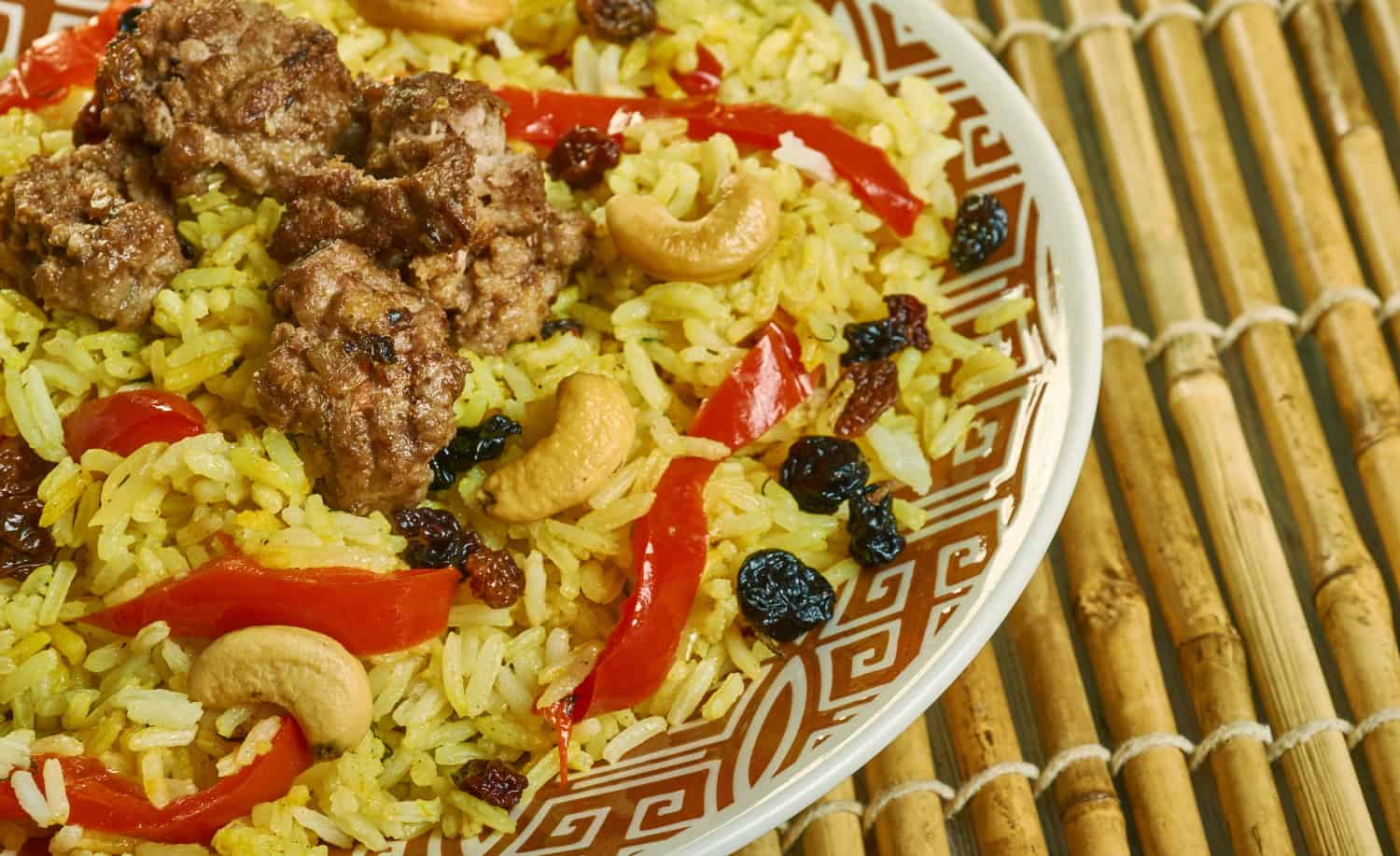
In the past, rice was a luxury item that was only consumed by the wealthy. However, with time, it became more accessible to the general population, and it has since become an essential part of the diet. Rice is often consumed with a variety of stews, soups, and curries. It is also used to make a popular Somali dish known as “Bariis,” which is a spiced rice dish cooked with meat or vegetables.
Nutritional Value of Rice in Somali Cooking
Rice is a rich source of carbohydrates and provides the body with essential nutrients such as vitamins and minerals. In Somali culture, rice is often paired with vegetables and meat, making it a complete meal. Rice is also low in fat, making it an ideal food item for those who are health-conscious.
Somali cuisine is known for its use of spices and herbs, which are often added to rice dishes. These spices not only add flavor but also have health benefits. For example, cumin and turmeric are known for their anti-inflammatory properties, while cardamom is used to aid digestion.
Role of Rice in Somali Culture and Festivals
Rice is an essential part of Somali culture and is often used in their festivals and celebrations. During the holy month of Ramadan, rice is a popular food item consumed during iftar, the meal that breaks the fast. Rice is also served during weddings, and it is often given as a gift to the bride and groom.
In Somali culture, rice is a symbol of hospitality and generosity. It is often served to guests, and it is considered impolite to turn down a plate of rice. Rice is also a sign of prosperity and is often served at special occasions where the family has something to celebrate.
Popular Rice Dishes in Somali Cuisine
The most popular rice dish in Somali cuisine is “Bariis,” which is a fragrant, spiced rice dish cooked with meat or vegetables. Other popular dishes include “Pilau,” which is a rice dish cooked with spices and served with meat or vegetables. “Jambal,” which is a rice dish cooked with tomatoes, onions, and meat, is also a popular dish in Somalia.
Conclusion: Rice as a Crucial Element in Somali Cuisine
In conclusion, rice is an essential ingredient in Somali cuisine. It has been a part of their diet for centuries and has played a significant role in their culture and traditions. Rice is not only a delicious food item, but it also provides essential nutrients to the body. Somali cuisine is incomplete without rice, and it is an integral part of their culinary tradition.

Facebook Comments