 John Myers
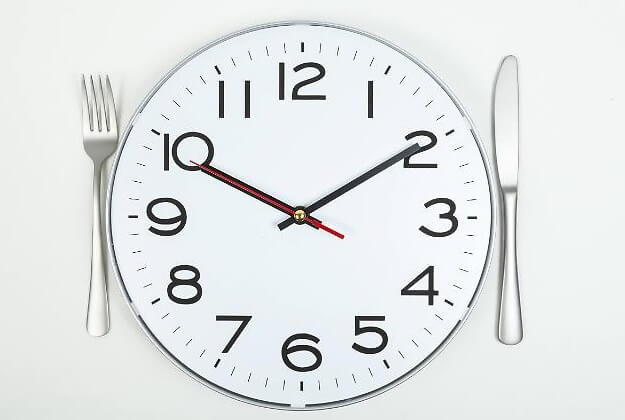
Fasting two days a week – or only eating eight hours a day: Many swear by intermittent fasting. That is the reason:
If you fast one day, you eat more the next day?
Not necessarily. This is where intermittent fasting really comes into its own. Fasters do not take in the same amount of energy as people who eat regularly and with snacks. “Anyone who doesn’t eat for around 16 hours eats less on average per day than someone who eats frequent meals,” says Klaus Parhofer, an endocrinologist at LMU Munich. The longer the fasting periods, the greater the effects.
After all, if you don’t eat for several hours, your metabolism switches over. This reduces sugar and insulin levels, which on the one hand drives away the appetite. At the same time, fat reserves are mobilized because glucose is lacking. This is because fatty acids can be converted into ketone bodies, which various cells use as fuel. In this way, the body learns to live off its reserves and muscle breakdown is prevented.
Variations of intermittent fasting
5 to 2: The most well-known form of intermittent fasting is the 5:2 diet: you can eat as usual five days a week without counting calories. For two days, the food intake is reduced to 500 calories for women and 600 calories for men. It is important to drink plenty of water and unsweetened tea. Carbohydrates such as bread, pasta, potatoes and sugar are taboo on fasting days.
8 to 16: If you don’t want to fast for a whole day, you can build longer breaks into your daily routine. The 8:16 diet involves skipping one meal a day so you go without food for 16 hours at a time. For example, if you don’t eat after 5 p.m., you can have breakfast again at 9 a.m. the next morning. A pleasant side effect: the body has less to do with digestion at night, which benefits the quality of sleep.



Facebook Comments