 John Myers
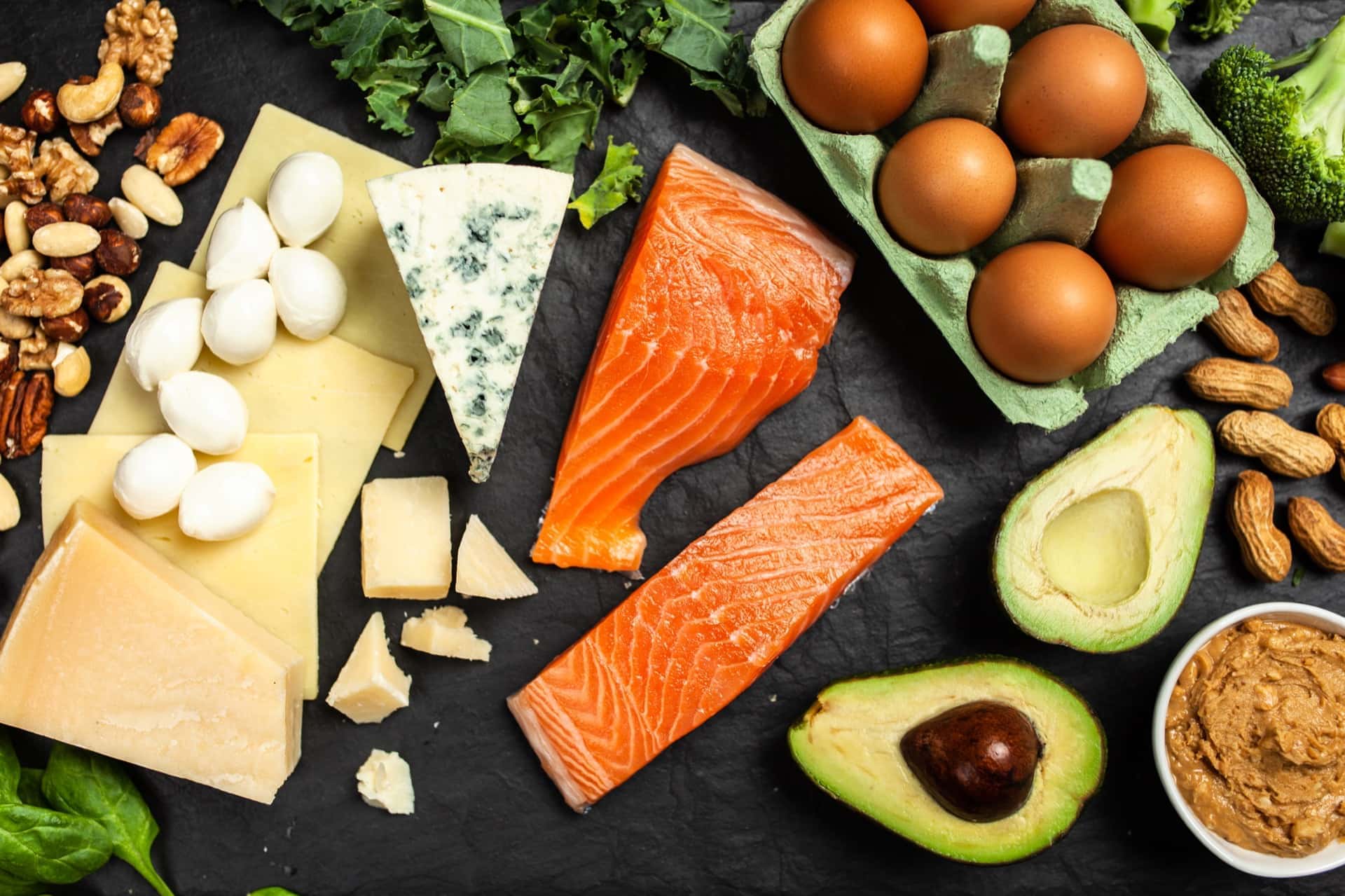
There is no universal answer to the question of where irritable bowel syndrome comes from and how to get rid of it. It develops very individually, cannot be seen even under the microscope, and is different for each person affected. But it can be managed, read how here.
Irritable bowel syndrome – what is it?
The so-called irritable bowel syndrome (IBS) is a functional, often chronic disorder of the gastrointestinal tract. This means the affected person is not ill, but their digestive tract is not working as it should and is causing discomfort when eating. The symptoms of irritable bowel include e.g. abdominal cramps, feeling of fullness, flatulence, constipation, diarrhea, but also depressive moods.
Those affected by irritable bowel syndrome usually have a long medical odyssey behind them, which does not produce any causes, since nothing can be seen physically. This situation burdens many people, as they are often not taken seriously or do not take themselves seriously due to the lack of clarity.
Irritable bowel syndrome – the causes
Unfortunately, the causes of irritable bowel syndrome have not yet been adequately researched. There is no universal irritable bowel test or fixed therapy. However, it is assumed that there is an interplay of causes that lie in the stomach, intestines, and psyche. It was also found that irritable bowel patients usually have much more (pressure) sensitive gastrointestinal tracts, often suffer from intolerance (e.g. lactose, fructose, or histamine intolerance), or have already had intestinal infections and inflammations. Meat, sugar, and artificial additives could also have an impact on IBS and its symptoms, as could (mental) stress.
Irritable bowel syndrome – what to eat?
However, no one should despair over these symptoms, because one can learn to deal with irritable bowel syndrome. In addition to reducing stress, the diet should be adjusted somewhat and individually, because – unlike low-histamine recipes for people with histamine intolerance – there are no universally applicable menus. People with irritable bowel syndrome should therefore listen very carefully to what their body reports back after eating and avoid the foods that cause problems. In this way, everyone affected by irritable bowel syndrome can establish their own “therapy”. For example, some people have sluggish digestion, which they can stimulate with foods rich in fiber, while others suffer from exactly the opposite. Some irritable bowel patients tolerate raw food without any problems, while others prefer to cook everything. If you are planning an intestinal cleansing, it is best to seek professional advice.
Despite all the individuality of irritable bowel syndrome, there are a few foods that almost every irritable bowel syndrome patient does not tolerate well and should rather avoid. These include e.g. flatulent foods such as onions, leeks, legumes, berries, figs or yeast, caffeine and carbonated drinks, spicy spices, alcohol, and excessive sugar or acid.
More tips for irritable bowel patients
In general, it helps most sufferers if they
- eat small meals more often (e.g. five times a day),
- do not eat or drink anything that is too hot or too cold,
- do not drink anything with food
- eat slowly,
- move and relax more often and
- just relax from time to time and don’t get too dogged about the matter.
Potatoes, fennel, carrots, rice soup, porridge, grated apple, herbal teas – read more about the effects of chamomile tea -, vegetable broth and vegetable purees are also usually well tolerated in an irritable bowel diet.


Facebook Comments