 John Myers
Introduction: Defining a Vegan Diet
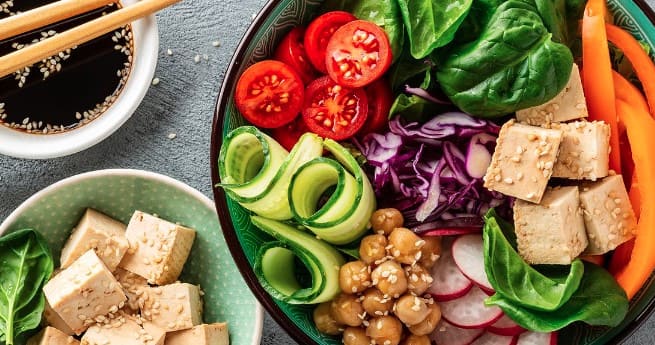
A vegan diet is a type of vegetarian diet that excludes all animal products, including meat, dairy, eggs, and honey. People choose to follow a vegan diet for various reasons, such as ethical concerns, environmental concerns, or for health reasons. Although a vegan diet can be healthy, it requires careful planning to ensure that all essential nutrients are obtained.
Benefits of a Vegan Diet for Health
Research has shown that a vegan diet can provide various health benefits. A vegan diet is typically high in fiber, antioxidants, and phytochemicals, which can reduce the risk of chronic diseases such as heart disease, diabetes, and some cancers. A vegan diet is also lower in saturated fat and cholesterol, which can reduce the risk of high blood pressure and high cholesterol levels. Furthermore, a vegan diet may help with weight loss and improve overall gut health due to its high fiber content.
Nutritional Considerations for Vegans
A vegan diet can be nutritionally adequate if it is carefully planned to ensure that all essential nutrients are obtained. Vegans need to ensure that they consume sufficient amounts of protein, iron, calcium, vitamin B12, vitamin D, and omega-3 fatty acids. Plant-based sources of protein include legumes, soy products, nuts, and seeds. Iron can be obtained from fortified cereals and grains, legumes, and green leafy vegetables. Calcium can be obtained from fortified plant milks, tofu, and leafy greens. Vitamin B12 can be obtained from fortified foods or supplements, and vitamin D can be obtained from sunlight exposure or supplements. Omega-3 fatty acids can be obtained from flaxseed, chia seeds, and walnuts.
Potential Health Risks of a Vegan Diet
A vegan diet can be deficient in some essential nutrients if not properly planned, which can lead to potential health risks. Vegans are at risk of vitamin B12 deficiency, which can lead to anemia and nervous system damage. Vegans may also have insufficient levels of vitamin D, calcium, and omega-3 fatty acids, which can lead to bone health issues. Furthermore, a vegan diet can be low in calories and fat, which can lead to inadequate energy intake and weight loss.
How to Ensure a Healthy Vegan Diet
To ensure a healthy vegan diet, it is important to consume a variety of nutrient-dense plant-based foods, including fruits, vegetables, whole grains, legumes, nuts, and seeds. It is also important to consume fortified foods or supplements to obtain essential nutrients such as vitamin B12 and vitamin D. It is recommended to consult with a registered dietitian to help plan a healthy vegan diet.
Comparing the Healthfulness of Vegan and Non-Vegan Diets
Research has shown that a well-planned vegan diet can provide health benefits, including reducing the risk of chronic diseases such as heart disease and diabetes. However, a non-vegan diet can also provide health benefits if it includes a variety of nutrient-dense foods and limits the intake of saturated fat, cholesterol, and processed foods. Ultimately, the healthfulness of a diet depends on individual food choices and overall dietary patterns.
Expert Opinions on the Healthfulness of a Vegan Diet
Most health organizations, including the Academy of Nutrition and Dietetics, acknowledge that a well-planned vegan diet can be healthy and nutritionally adequate for all stages of life. However, it is important to plan a vegan diet carefully to ensure that all essential nutrients are obtained. Some experts suggest that a balanced omnivorous diet that includes plant-based foods and lean protein sources may be a more sustainable and practical approach to maintaining good health.
Conclusion: Making Informed Choices About Your Diet
A vegan diet can be healthy and provide various health benefits if it is carefully planned to ensure that all essential nutrients are obtained. However, a vegan diet may not be suitable for everyone, and it is important to make informed choices about your diet based on your individual needs and preferences. It is recommended to consult with a registered dietitian to help plan a healthy diet that meets your nutritional needs.


Facebook Comments