 John Myers
Introduction: Armenian Street Food
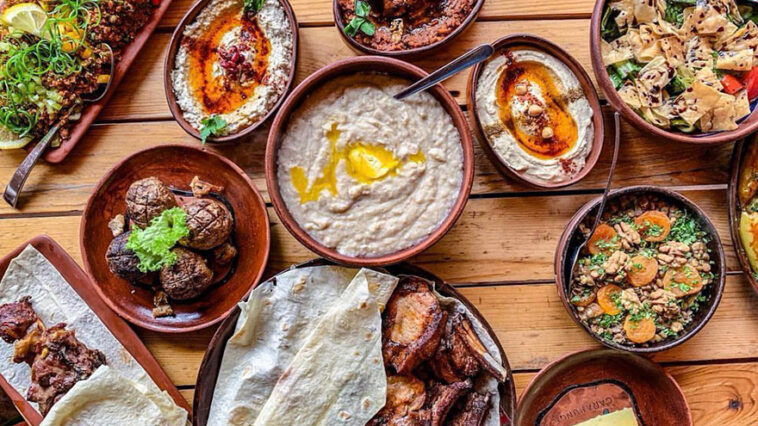
Armenian cuisine is a rich and diverse blend of flavors, spices, and cooking techniques that have been passed down through generations. Armenian street food is no exception, and it offers a glimpse into the country’s culinary heritage. Street food is an essential part of Armenian culture, and it is readily available at local markets, festivals, and street corners. Armenian street food is known for its delicious taste, affordability, and convenience.
Cultural Influences on Armenian street food
Armenia has a long and rich history that has influenced its cuisine. The country’s location at the crossroads of Asia and Europe has made it a melting pot of culinary influences. The Ottoman and Persian empires have left their mark on Armenian cuisine, as have the Greeks and Romans. The Silk Road trade route also brought spices, herbs, and cooking techniques from the Far East.
Examples of Armenian Street Food influenced by other cuisines
Armenian street food is a fusion of traditional Armenian dishes and culinary influences from other cultures. For example, Lahmacun is a popular Armenian street food that is a thin, crispy pizza-like bread topped with minced meat, vegetables, and spices. It is believed to have originated in Turkey and brought to Armenia during the Ottoman Empire. Another example is Khorovats, a traditional Armenian barbecue dish made with marinated meat skewered and grilled over hot coals. It is similar to kebab, a popular Middle Eastern dish.
In conclusion, Armenian street food is undoubtedly influenced by other cuisines, but it still retains its unique flavor and character. The fusion of different culinary traditions has enriched Armenian cuisine, and street food is the perfect way to experience this fusion. Whether you are a local or a visitor to Armenia, trying out different street foods is an excellent way to explore the country’s culinary heritage.


Facebook Comments