 John Myers
The Origins of Dominican Street Food: A Brief Overview
Dominican street food is a vital component of the country’s culinary culture. It has its roots in the country’s rich history, which is a blend of Spanish, African, and indigenous Taíno cultures. Traditional Dominican street food is known for its bold flavors and hearty portions, making it a favorite among locals and tourists alike.
Street food vendors in the Dominican Republic typically sell food from small carts or stands on street corners and in open-air markets. Some of the most popular dishes include empanadas, alcapurrias, and pastelitos, all of which are usually fried or baked to perfection. Over time, Dominican street food has evolved significantly, incorporating new ingredients and cooking techniques to create unique and flavorful dishes.
The Influence of Other Cuisines on Dominican Street Food
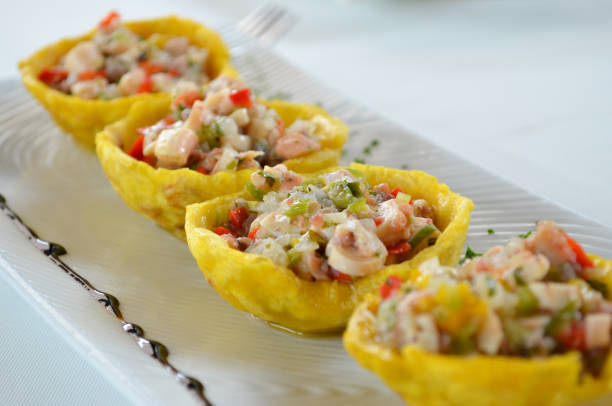
Dominican street food has been influenced by various cuisines over the years, including Spanish, African, and Caribbean cuisine. This mix of cultures has resulted in a diverse and flavorful culinary scene. For example, plantains, a common ingredient in Dominican cooking, were introduced by the African slaves who were brought to the country during the colonial era.
Another example is the popular dish known as “La Bandera,” which translates to “the flag.” This dish consists of rice, beans, and meat, and is considered the national dish of the Dominican Republic. Its origins can be traced back to Spain, which introduced rice to the country during the colonial period. The dish was later influenced by African and indigenous Taíno cultures, resulting in the creation of “La Bandera” as we know it today.
Common Ingredients and Techniques in Dominican Street Food
Dominican street food is known for its use of bold and flavorful ingredients, such as garlic, onion, and oregano. Meats like chicken, pork, and beef are also commonly used, as well as seafood like shrimp and tilapia. Plantains, yucca, and sweet potatoes are also popular ingredients in many dishes.
In terms of cooking techniques, frying is a common method of preparation for many Dominican street foods. Empanadas, alcapurrias, and pastelitos are all traditionally fried to achieve a crispy exterior and a tender, flavorful filling. Grilling is also a popular cooking technique, particularly for meats like chicken and pork.
Overall, Dominican street food is a reflection of the country’s rich history and culture. Its blend of Spanish, African, and indigenous Taíno influences has resulted in a diverse and flavorful culinary scene that is enjoyed by locals and tourists alike.


Facebook Comments