 John Myers
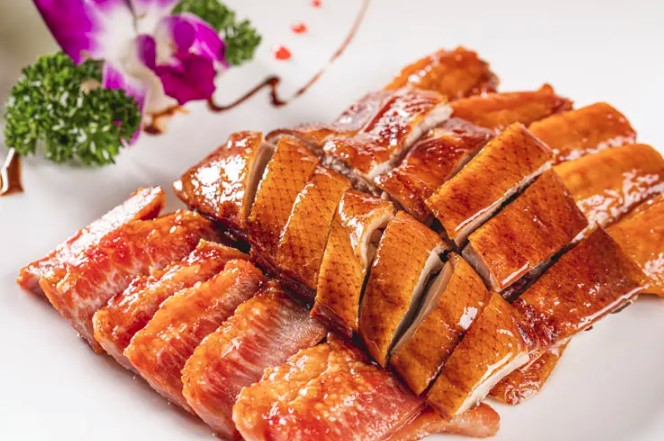
Exploring the Flavors of Fijian Cuisine
Fijian cuisine is a culmination of various cultural influences, including Indian, Chinese, and Polynesian. The abundant seafood and tropical fruits available on the island also play a significant role in the cuisine. The flavors of Fijian cuisine are often described as bold, flavorful, and diverse.
The cuisine of Fiji is based on fresh ingredients, often prepared in traditional ways. The dishes are usually cooked using natural methods such as baking and roasting, which allows the ingredients to retain their natural flavors. The use of coconut milk and cream is also prevalent in Fijian cuisine, adding a creamy texture to many dishes.
The Role of Spices in Fijian Cooking
Spices are an essential component of Fijian cuisine, adding depth and complexity to flavors. Fijian cuisine often uses a blend of spices, including cumin, cardamom, coriander, and turmeric. These spices are usually combined with fresh herbs such as lemongrass, ginger, and garlic to create complex flavor profiles.
The use of chili peppers in Fijian cuisine is also common, adding a spicy kick to dishes. However, the level of spiciness differs depending on the region and individual preferences. For example, dishes from the northern region of Fiji tend to be spicier than those from the southern region.
Debunking the Myth: Is Fijian Cuisine Spicy?
Contrary to popular belief, not all Fijian cuisine is spicy. While many dishes do use chili peppers, the level of spiciness can be adjusted to suit individual preferences. Some Fijian dishes, such as kokoda, are not spicy at all but rather use lime juice and coconut cream to create a tangy flavor.
It is also important to note that Fijian cuisine is not solely focused on spiciness. The cuisine offers a wide range of flavors, from sweet and savory to tangy and spicy. So, while spice plays a role in Fijian cooking, it is not the defining characteristic of the cuisine.


Facebook Comments