 John Myers
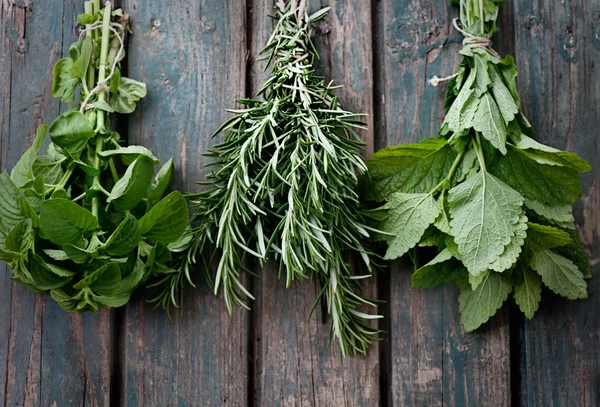
Yes, that’s right. Fresh herbs are rich in essential oils and vitamins. These would evaporate or be destroyed when heated. It is therefore always best to cut the fresh herbs just before use and then add them to the dish after the cooking phase to refine them. With dried herbs, on the other hand, the aroma develops best when cooking with them.
Which herbs shouldn’t you cook?
- Cumin (cumin)
- Dill.
- Chervil.
- Nutmeg.
- Pepper.
- Chives.
- Mace.
Why not cook fresh herbs like parsley, chives and basil?
As a rule of thumb, it is best for amateur cooks to chop delicate, fine-leaved herbs such as basil, dill, chives, parsley, chervil, coriander or lemon balm just before serving and add them to the food – otherwise the flavor will be lost. This is pointed out by the consumer advice center in Bavaria.
Which herbs are cooked?
Herbs with firm leaves such as thyme, rosemary, oregano, sage, lavender, savory, or bay leaf can be cooked for longer. They only develop their aroma over the course of the cooking time. Spices such as caraway, cloves, and juniper berries only give off their full aroma to the food after a longer cooking time.
How do you use fresh herbs?
In the hot kitchen, delicate kitchen herbs such as chervil, chives, parsley, tarragon, or basil should be added to the dish at the end, otherwise, their aroma will be lost. Stronger varieties such as rosemary, sage, or thyme can be cooked for a few minutes.
When do you add fresh herbs?
Fresh herbs are rich in essential oils and vitamins. These would evaporate or be destroyed when heated. It is therefore always best to cut the fresh herbs just before use and then add them to the dish after the cooking phase to refine them.
How do I create a herb bed?
Most kitchen herbs need permeable, rather poor soil. Loosen the soil thoroughly and work in additional sand in the case of heavy clay. Distribute the herbs over the bed area according to the planting plan and make sure there is enough space between them so that the herbs have enough space to develop.
Which kitchen herbs do not get along?
- Marjoram and thyme don’t go together at all.
- basil and lemon balm.
- fennel and coriander.
- Chamomile and Peppermint.
- tarragon and thyme.
Why not cook basil?
Basil: Pizza, pasta, and Italian sauces often cannot do without the leaves. They are also the basis for pesto. Since the herb loses its aroma during cooking, it should only be added at the end.
What are the most important kitchen herbs?
- Parsely
- basil
- thyme
- oregano
- mint
- rosemary
- coriander
- dill
- chives
- savory
- marjoram
- tarragon
- lemon balm
Can you plant chives, parsley, and basil together?
Chives harmonize very well with parsley or basil, as they have similar needs. However, chives require a lot of space, which is why they should always be planted separately in the pot whenever possible.
Can you plant basil and parsley together?
Parsley and basil share a preference for lots of water and nutrient-rich soil – and they also get along very well next to each other in the planter.


Facebook Comments