 John Myers

Introduction: Examining Sri Lankan Street Food’s Influences
Sri Lankan street food is a melting pot of flavors, spices, and techniques that reflect the island’s diverse cultural history. Influenced by the country’s location on ancient trade routes, Sri Lankan cuisine has been shaped by a variety of influences, including Indian, Dutch, Portuguese, and British cuisine. As a result, the street food scene in Sri Lanka offers a unique culinary experience that blends traditional Sri Lankan dishes with foreign flavors and ingredients. In this article, we will explore the fusion of flavors found in Sri Lankan street food and trace the origins of some of its most popular dishes.
The Fusion of Flavors: Diving into Sri Lankan Street Food
Sri Lankan street food is known for its bold and complex flavors, which are a result of the country’s use of a wide range of herbs, spices, and aromatics. One of the most popular street food dishes in Sri Lanka is kottu roti, a stir-fry dish made with shredded roti bread, vegetables, eggs, and meat or seafood. Kottu roti is said to have originated in Sri Lanka’s Tamil community and has a strong South Indian influence. Another popular street food is vadai, a fried lentil cake that is similar to the Indian snack, vada.
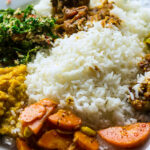
Sri Lanka’s colonial history has also left its mark on the country’s street food scene. Dutch and Portuguese influences can be seen in dishes such as lamprais, a rice dish that is wrapped in a banana leaf and cooked in a Dutch oven. Lamprais is a fusion of Sri Lankan and Dutch cuisine and typically contains rice cooked in meat broth, boiled eggs, meat curry, and sambol. Another dish that has Portuguese roots is bol de coco, a sweet coconut cake that is popular as a street snack.
Exploring the Roots: Tracing the Origins of Sri Lankan Street Food
Sri Lankan street food has a rich history that goes back centuries. Many of the dishes that are now popular street food items were originally served in homes and at religious festivals. For example, the popular snack, murukku, was traditionally made in Hindu homes during the festival of Deepavali, and then later sold by street vendors.
Other street food dishes have been influenced by the country’s geography. Sri Lanka’s coastal areas are known for their seafood, and many street food dishes feature fish or shellfish. One such dish is isso wade, a deep-fried lentil cake topped with prawns. Isso wade is said to have originated in the Negombo area, which is known for its fishing industry.
In conclusion, Sri Lankan street food is a unique and delicious fusion of flavors that reflects the country’s diverse cultural history. From South Indian-influenced kottu roti to Dutch-inspired lamprais, Sri Lankan street food offers a culinary adventure that is not to be missed. By exploring the origins of these dishes, we gain insight into the rich history of Sri Lankan cuisine and the influences that have shaped it over time.


Facebook Comments