 Melis Campbell
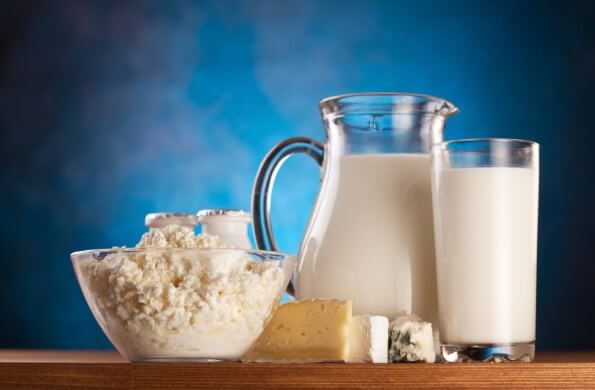
Changing your diet to lactose-free foods is a challenge, especially at the beginning. We have many products in our range that make it easier for you to follow a lactose-free diet.
Lactose-free diet
Changing your diet to lactose-free foods is a challenge, especially at the beginning. Milk and dairy products such as cheese, quark, or butter often contain lactose (milk sugar). It is also contained in many baked goods, sweets, ready meals, or spice mixtures. Lactose is often added to foods during further processing, as it is also used in the food industry as a flavor carrier or bulking agent. Read the ingredient list very carefully. For unpackaged food (e.g. baked goods or sausages), to be on the safe side, ask the counter staff whether the product in question is lactose-free.
In order to make your shopping and everyday life easier, you will find many products in our range that are marked as guaranteed lactose-free.
Lactose intolerance
Lactose is a type of sugar found in milk and dairy products. Lactose is broken down in the human body by the enzyme lactase. People who lack this enzyme or who cannot produce it sufficiently suffer from lactose intolerance. Those affected cannot digest the lactose. Symptoms such as abdominal pain, diarrhea, or flatulence are the result.
In Germany, about 10 – 20% of the population suffers from lactose intolerance. The ability to digest milk and thus also lactose is innate in humans. However, some lose this ability as they grow up.
Most of those affected do not have to completely avoid lactose-containing products in their diet. Many lactose-intolerant people can tolerate at least small amounts of milk sugar. However, how much lactose each individual person can tolerate varies from person to person.
If you cook for lactose-intolerant friends or acquaintances, ask in advance whether they can tolerate small amounts of lactose or certain foods.
Lactose-free foods
Foods with a lactose content of 0.1g lactose per 100g are practically lactose-free.
In the case of lactose-free dairy products, the milk sugar is converted using a special processing method. The remaining lactose content is minimal and negligible. These products are very well tolerated and contain all other milk components such as calcium, vitamins, and magnesium.
Lactose-free milk tastes a little sweeter since the lactose has been broken down into glucose and galactose and their sweetening power is significantly higher.
The use of lactose-free milk for food and drinks is possible without any problems. Even if you are lactose intolerant, you do not have to do without foods and foods containing milk. You can use lactose-free milk e.g. B. Make pudding, yogurt, or ice cream yourself.
Plant-based milk substitutes that are not made from natural cow’s milk are also suitable alternatives. Soy, rice, oat, or almond drinks are naturally lactose-free.


Facebook Comments