 John Myers
Introduction: The Importance of Indian Spices
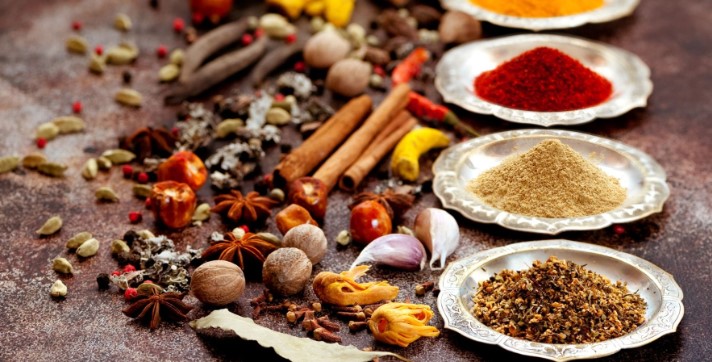
Indian spices play a crucial role in the culinary world as they add flavor, aroma, and texture to food. They have been an integral part of Indian culture for thousands of years and have been traded across the world since ancient times. India is the largest producer and exporter of spices in the world, making it a hub for spice lovers worldwide. However, the availability and proximity of spices are vital factors that impact their quality, diversity, and costs.
The Origins of Indian Spices
Historians suggest that India has been exporting spices since 7000 BC. The ancient Indus Valley Civilization traded spices with Mesopotamia, and later, the Greeks and Romans. India’s geographical location, diverse climate, and fertile soil make it an ideal place for spice cultivation. Some of the popular spices native to India include pepper, cardamom, cinnamon, cloves, nutmeg, and turmeric. These spices have been an essential part of Indian cuisine, Ayurveda, and traditional medicine.
Proximity to Spice Producers
The proximity of the spice growers to their markets is a crucial factor in supplying fresh, high-quality spices. India has a well-established network of spice traders, wholesalers, and retailers that operate in various markets across the country. The spice growers in India are primarily concentrated in the southern states of Kerala, Karnataka, Tamil Nadu, and Andhra Pradesh, and the western state of Gujarat. The proximity of these spice-growing regions to the coastal ports facilitates easy export to international markets.
Trade Routes and Spice Availability
India’s strategic location on the ancient Silk Road made it a hub for spice trade. The spice trade routes have evolved over time, and the Arabs, the Dutch, the Portuguese, and the British have all played a vital role in shaping the spice trade. The spice trade flourished during the colonial period, and spices were among the top commodities that were exported from India. Today, the spice trade is mostly conducted through ports in Mumbai, Kochi, and Chennai.
The Role of Climate on Spice Production
Climate plays a significant role in spice production, and different spices require different weather conditions to thrive. Spices such as pepper, cardamom, and turmeric require hot and humid weather, while cinnamon and cloves grow better in cooler climates. The monsoon season is also crucial for spice cultivation, as it provides the necessary rainfall to the crops. The changing weather patterns due to climate change have impacted spice production and may impact the availability and prices of spices in the future.
The Impact of Colonialism on Spice Trade
The colonial period had a profound impact on the spice trade, as the Europeans controlled the spice trade routes and monopolized the spice trade. The Portuguese, Dutch, and British all had a significant presence in India, and their influence can still be seen in the spice markets across India. The British introduced new techniques for spice cultivation, and their impact can be seen in the extensive tea and coffee plantations in the southern states of India.
The Rise of Spice Markets and Bazaars
India has a vibrant and diverse spice market culture, with bustling bazaars and markets that sell a wide range of spices. These markets offer a sensory experience with their vibrant colors, aromas, and sounds that make them an attraction for locals and tourists alike. Some of the famous spice markets in India include the Khari Baoli in Delhi, Crawford Market in Mumbai, and the Spice Bazaar in Istanbul, Turkey.
The Role of Technology in Spice Distribution
Technology has revolutionized the spice industry, from cultivation to distribution. From modern irrigation techniques to advanced packaging and shipping methods, technology has made it possible to improve the quality and consistency of spices. The use of technology has facilitated the creation of online platforms for spice traders and retailers, making it easier for them to connect with buyers across the world.
The Future of Indian Spice Availability
India’s role in the spice trade is likely to remain significant, given its position as the largest producer and exporter of spices. The changing climate patterns, however, could impact spice production, making some spices scarcer and pricier. The growing demand for organic and sustainable spices could also change the way spices are grown and marketed.
Conclusion: The Significance of Locating Indian Spices
Locating Indian spices is essential for ensuring the freshness, quality, and diversity of these spices. Factors such as proximity to spice producers, trade routes, climate, and technology play a vital role in determining the availability and pricing of spices. The vibrant and diverse spice markets in India are an attraction for spice lovers, offering a sensory experience that reflects the country’s rich cultural heritage. As the spice industry evolves, it is vital to ensure that the growers, traders, and retailers work together to maintain the quality and sustainability of the spice industry.



Facebook Comments