 Robert Zelesky
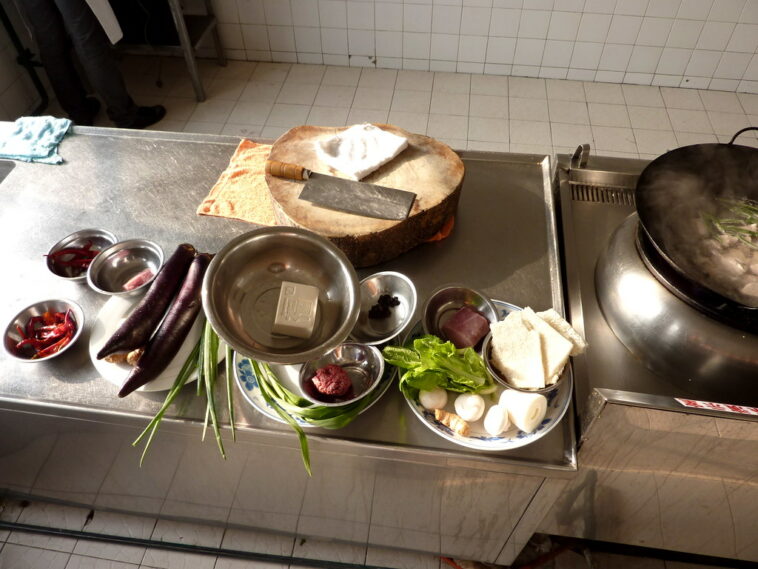
Ma Po Eggplant is a delightful vegetarian twist on the classic Chinese Sichuan dish Ma Po Tofu. This recipe features tender eggplant cooked in a spicy, savory sauce infused with Sichuan peppercorns and doubanjiang (fermented broad bean and chili paste). The dish is rich in flavor, with a balance of heat, umami, and a hint of numbing sensation from the peppercorns. Here’s how you can create this flavorful dish at home.
Ingredients
- 2 medium-sized eggplants, cut into bite-sized pieces
- 3 tablespoons vegetable oil
- 1 tablespoon Sichuan peppercorns
- 2 tablespoons doubanjiang (fermented broad bean and chili paste)
- 3 cloves garlic, minced
- 1-inch piece of ginger, minced
- 1/2 cup vegetable broth or water
- 1 tablespoon soy sauce
- 1 tablespoon rice vinegar
- 1 tablespoon Shaoxing wine (or dry sherry)
- 1 teaspoon sugar
- 1 tablespoon cornstarch mixed with 2 tablespoons water (for slurry)
- 2-3 green onions, chopped
- Fresh cilantro for garnish (optional)
- Steamed rice, for serving
Instructions
1. Prepare the Eggplant
Cut the eggplant into bite-sized pieces, about 1-inch cubes. If you prefer, you can salt the eggplant to remove any bitterness and excess moisture. To do this, sprinkle the eggplant pieces with salt and let them sit in a colander for about 30 minutes. Rinse thoroughly and pat dry with paper towels.
2. Stir-Fry the Eggplant
Heat 2 tablespoons of vegetable oil in a large skillet or wok over medium-high heat. Add the eggplant pieces and stir-fry for about 5-7 minutes, or until they start to soften and turn golden brown. Remove the eggplant from the skillet and set aside.
3. Infuse the Oil with Sichuan Peppercorns
In the same skillet, add the remaining 1 tablespoon of vegetable oil. Add the Sichuan peppercorns and cook over medium heat for about 1-2 minutes, until they become fragrant. Be careful not to burn them. Remove the peppercorns with a slotted spoon and discard them, leaving the infused oil in the skillet.
4. Cook the Aromatics and Doubanjiang
Add the minced garlic and ginger to the skillet, stirring constantly until fragrant, about 1 minute. Then add the doubanjiang and cook for another 1-2 minutes, allowing the paste to release its flavors and darken slightly.
5. Add the Liquids and Eggplant
Return the eggplant to the skillet and stir to coat with the aromatic mixture. Add the vegetable broth, soy sauce, rice vinegar, Shaoxing wine, and sugar. Stir to combine, and bring the mixture to a simmer. Cook for about 5 minutes, allowing the eggplant to absorb the flavors of the sauce.
6. Thicken the Sauce
Stir the cornstarch slurry (1 tablespoon cornstarch mixed with 2 tablespoons water) into the skillet. Continue to cook, stirring constantly, until the sauce thickens and coats the eggplant, about 2-3 minutes. If the sauce becomes too thick, you can add a bit more vegetable broth or water to reach your desired consistency.
7. Finish and Serve
Stir in the chopped green onions, reserving a small handful for garnish. Transfer the Ma Po Eggplant to a serving dish and garnish with the remaining green onions and fresh cilantro, if using. Serve hot with steamed rice.
Tips for Success
- Choose the Right Eggplant: Chinese eggplant or Japanese eggplant are ideal for this dish due to their tender texture and mild flavor. If using globe eggplant, make sure to salt it to remove any bitterness.
- Control the Heat: Doubanjiang can vary in spiciness, so adjust the amount according to your heat tolerance. For a milder dish, use less doubanjiang or add a bit of sugar to balance the heat.
- Proper Stir-Frying: Stir-frying requires high heat and constant stirring. Make sure all your ingredients are prepped and within reach before you start cooking.
- Infuse the Oil: Infusing the oil with Sichuan peppercorns adds a unique numbing heat to the dish. Be careful not to burn the peppercorns, as this can make the dish bitter.
- Thicken the Sauce: The cornstarch slurry is essential for achieving a glossy, thick sauce that clings to the eggplant. Stir the slurry well before adding it to the skillet.
Variations
- Add Protein: For a more substantial meal, add ground pork, chicken, or tofu. Stir-fry the protein before adding the eggplant and adjust the seasonings accordingly.
- Vegetable Medley: Incorporate other vegetables such as bell peppers, mushrooms, or zucchini to add more texture and color to the dish.
- Nutty Twist: Sprinkle toasted sesame seeds or crushed peanuts on top for added crunch and flavor.
Conclusion
Ma Po Eggplant is a delicious and satisfying dish that brings together the bold flavors of Sichuan cuisine in a vegetarian-friendly format. The combination of tender eggplant, spicy doubanjiang, and aromatic garlic and ginger creates a dish that is both comforting and exciting. By following this recipe, you can enjoy a restaurant-quality meal at home, perfect for weeknight dinners or special occasions. Serve it with steamed rice and savor the rich, complex flavors of Ma Po Eggplant.

Facebook Comments