 John Myers
Introduction: A Beloved Mexican Dish
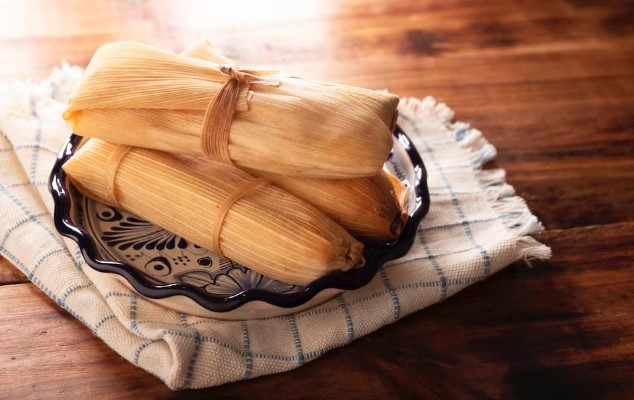
Tamales are a beloved dish in Mexico, with a rich history and cultural significance. These delicious treats consist of masa dough filled with various ingredients and wrapped in corn husks before being steamed to perfection. Tamales can be found in different shapes, sizes, and flavors, and they are an essential part of many festivities and celebrations in Mexican culture.
Despite being a popular dish in Mexico, tamales have also gained popularity in other parts of the world, becoming a staple in Mexican restaurants and homes worldwide. The taste, texture, and aroma of traditional tamales are simply irresistible, making them a perfect dish for any occasion.
The History of Tamales in Mexico
Tamales have been a staple food in Mexico for thousands of years, dating back to the Mayan and Aztec civilizations. These ancient cultures used tamales as a portable and convenient food source, avoiding the need for utensils and plates. Tamales were also believed to have been used as offerings to the gods during religious ceremonies.
As the centuries passed, tamales evolved, and different regions in Mexico developed their own unique versions. The filling and flavor of tamales vary depending on the region, but they all share the same basic recipe of masa dough wrapped in corn husks.
The Significance of Corn Husks
Corn husks play a significant role in tamale making. They are used as the outer layer of the tamale, keeping the filling inside while providing a delicious aroma and flavor to the masa dough. Corn husks are also an important cultural symbol in Mexico, representing the strong connection between the people and the land.
Corn husks come in different sizes and shapes, and it’s essential to choose the right ones for tamale making. Large, wide corn husks are ideal for making tamales, as they are easy to wrap and provide enough space for the filling.
Ingredients for Traditional Tamales
The ingredients for traditional tamales include masa dough, which is made from dried corn, lard or vegetable shortening, baking powder, and salt. The filling can be made from different ingredients, such as chicken, pork, beef, beans, cheese, vegetables, or fruits, depending on the region and personal preference.
Other ingredients that can be added to the masa dough include spices, such as cumin, chili powder, and garlic, to enhance the flavor of the tamales. Some recipes also call for broth or stock to be added to the masa dough, making it more flavorful and moist.
Preparing the Corn Husks
Before using corn husks for tamale making, they need to be soaked in warm water for at least an hour to make them pliable and easy to work with. The soaking process also helps remove any dirt or debris that may be stuck to the husks.
After soaking, the corn husks are rinsed and dried with paper towels. It’s essential to select the best corn husks for tamale making, choosing ones that are free of tears or holes.
Making the Masa Dough
Making the masa dough is one of the most critical parts of tamale making. It requires patience, attention to detail, and a bit of elbow grease. The first step is to combine the masa harina with baking powder, salt, and any other spices desired.
Then, lard or vegetable shortening is added to the mixture, mixing until the dough becomes light and fluffy. Broth or stock is slowly added to the dough to give it a smooth and moist consistency.
Filling the Tamales
Once the masa dough is made, it’s time to fill the tamales. The filling can be made from any ingredient desired, but it’s essential to make sure that it’s cooked and seasoned correctly before adding it to the masa dough.
The filling is placed in the center of the masa dough, and the sides of the dough are folded to enclose the filling. The tamale is then wrapped in a corn husk, forming a little package that’s ready for steaming.
Wrapping and Steaming Tamales
Wrapping and steaming are the final steps in tamale making. The tamale is wrapped tightly in the corn husk, making sure that it’s sealed on all sides to prevent any filling from escaping.
Then, the tamales are placed in a steamer basket and steamed for about an hour or until the masa dough is firm to the touch. Once the tamales are done, they are removed from the steamer, and the corn husks are carefully unwrapped, revealing the delicious filling inside.
Serving and Eating Tamales
Tamales can be served alone or with a variety of toppings, such as salsa, cheese, or sour cream. They are often accompanied by traditional Mexican drinks, such as atole or champurrado.
To eat a tamale, simply grab the top of the corn husk and pull it down, revealing the filling inside. Tamales are eaten by hand, making them a fun and interactive food to enjoy with family and friends.
Conclusion: The Importance of Tamales in Mexican Culture
Tamales are more than just a delicious food in Mexican culture; they are a symbol of heritage and tradition. Tamale making is often a communal activity, bringing families and communities together to celebrate their heritage and share their culture.
The process of making tamales has been passed down from generation to generation, and it’s essential to keep this tradition alive by continuing to make and enjoy tamales for years to come. So next time you’re looking for a tasty and meaningful dish, consider making traditional Mexican tamales wrapped in corn husks.


Facebook Comments