 John Myers
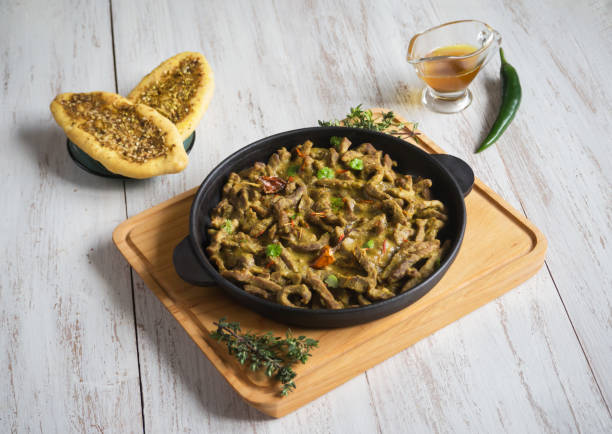
Introduction to Nutritious Indian Cuisine
Indian cuisine is known for its rich and diverse flavors, but it’s also packed with nutrients and health benefits that make it a great choice for a healthy lifestyle. Indian cuisine includes a wide variety of spices, herbs, vegetables, whole grains, lentils, legumes, and healthy fats, making it one of the most nutritious cuisines in the world.
In this article, we’ll explore the benefits of a healthy Indian diet, the spices and herbs used in Indian cooking for better health, the use of whole grains as the foundation of Indian cuisine, and the importance of lentils and legumes for protein. We’ll also look at healthy vegetarian and vegan options, low-fat cooking techniques, Ayurveda, the science of healthy eating, and some popular nutritious Indian dishes.
Benefits of a Healthy Indian Diet
A healthy Indian diet can provide various health benefits for people of all ages. Indian cuisine is rich in diverse nutrients such as fiber, vitamins, minerals, antioxidants, and healthy fats that can improve heart health, boost immunity, and enhance digestion. The spices and herbs used in Indian cooking are also known for their medicinal properties that can help to prevent and manage various health conditions such as diabetes, inflammation, and cancer.
Moreover, an Indian diet is generally low in saturated fats and high in plant-based sources of protein, making it a great option for vegetarians and vegans. Indian cooking techniques such as steaming, boiling, and roasting also reduce the amount of oil used in food preparation, making it a healthy option for those who are trying to maintain a healthy weight or manage their cholesterol levels.


Facebook Comments