 John Myers
Introduction: Papeda, the Traditional Dish of Indonesia
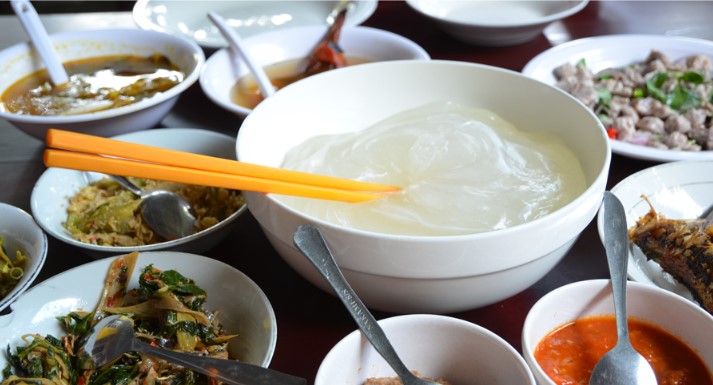
Papeda is a traditional dish from Indonesia, which is highly valued among the local population. It is a staple food in the eastern part of Indonesia, particularly in the Maluku and Papua regions. Papeda is a porridge-like dish made from sago flour and water, which has a unique texture and taste that sets it apart from other traditional dishes in Indonesia.
This dish is a symbol of the rich cultural heritage of Indonesia, which has been passed down from generation to generation. Papeda continues to be an important part of the Indonesian diet and is commonly served with various fish and meat dishes.
Origins of Papeda: A Brief History
The origins of Papeda can be traced back to the Maluku Islands in Eastern Indonesia. It was first created by the Papuan people who used sago flour as the primary ingredient. The dish was later introduced to other parts of Indonesia by the traders and sailors who used the Maluku Islands as a trading post.
Over time, Papeda became an essential dish in the Eastern Indonesian diet due to its nutritional value and long shelf life. In the past, it was even used as a source of sustenance for sailors on long voyages. Today, Papeda remains a significant part of Indonesian cuisine and continues to be prepared and enjoyed by many Indonesians.
Ingredients of Papeda: What Makes It Unique?
The primary ingredient of Papeda is sago flour, which is made from the pith of the sago palm tree. The sago palm tree is abundant in the Maluku and Papua regions and is a significant source of carbohydrates for the local population. The sago flour is mixed with water and stirred continuously on low heat until it thickens, forming a smooth and gel-like texture.
Papeda is unique in its texture and taste, which are both highly valued among Indonesian people. The porridge-like consistency of the dish is smooth and silky, making it a perfect accompaniment to fish and meat dishes.
How to Prepare Papeda: A Step-by-Step Guide
To prepare Papeda, you will need sago flour and water. Here is a step-by-step guide to making Papeda:
- Mix the sago flour with cold water in a bowl until it forms a smooth paste.
- Bring a pot of water to boil, and add the sago flour mixture to the water.
- Stir the mixture continuously on low heat until it thickens and becomes smooth.
- Continue stirring the mixture for an additional 10-15 minutes until it reaches the desired consistency.
- Serve the Papeda hot with fish or meat dishes and enjoy!
Papeda’s Significance in Indonesian Culture
Papeda is a symbol of the rich cultural heritage of Indonesia and is highly valued among the local population. It is an essential food in the Eastern Indonesian diet and is commonly served during cultural events and festivals.
Papeda is not just a dish but a representation of Indonesian culture, history, and tradition. It is a source of pride for the Indonesian people and a reminder of their strong connection to the land and sea.
Papeda Variations and Regional Differences
Papeda has many variations and regional differences, depending on the ingredients used and the cooking methods employed. In the Maluku region, Papeda is often served with fish and chili sauce, while in Papua, it is sometimes served with meat dishes.
In some parts of Indonesia, Papeda is prepared using other ingredients such as cassava flour or cornstarch instead of sago flour. These variations give the dish a distinct taste and texture that sets it apart from other traditional dishes.
Nutritional Value of Papeda: Benefits and Disadvantages
Papeda is a rich source of carbohydrates, which provides the body with the energy it needs to function correctly. It is also low in fat and high in fiber, making it an excellent food for weight management and digestive health.
However, Papeda is relatively low in protein and other essential nutrients, which can lead to malnutrition if it is the primary source of food in one’s diet. It is essential to consume other protein-rich foods such as fish and meat to balance the nutritional profile of the diet.
Papeda and Sustainability: The Impact on the Environment
The sago palm tree, which is the primary source of sago flour used in Papeda, is a sustainable crop that grows naturally in the Maluku and Papua regions. The production of sago flour has a minimal impact on the environment and requires less water and fertilizer than other crops.
However, the increasing demand for sago flour in the international market has led to over-exploitation of the sago palm tree, which can have adverse effects on the environment. It is essential to strike a balance between the economic benefits of sago production and the conservation of the natural resources.
Papeda in the Modern World: Challenges and Opportunities
In the modern world, Papeda faces many challenges and opportunities. The increasing popularity of Indonesian cuisine has led to a growing demand for Papeda in the international market. However, the traditional methods of preparing Papeda are time-consuming and labor-intensive, which can limit its production and distribution.
There is also a need to promote sustainable production practices that ensure the long-term availability of sago flour and other ingredients used in Papeda. The development of new and innovative ways of preparing and serving Papeda can also expand its market and appeal to a broader audience.
Conclusion: Embracing Papeda, the Taste of Indonesia.
In conclusion, Papeda is a traditional dish from Indonesia that has a rich cultural heritage and is highly valued among the local population. It is a symbol of the connection between the Indonesian people and their land and sea.
Papeda’s unique texture and taste make it a favorite among Indonesian people, and its nutritional value makes it an excellent food for weight management and digestive health. However, it is essential to balance the nutritional profile of one’s diet by consuming other protein-rich foods.
As the world becomes more interconnected, the opportunities and challenges facing Papeda in the modern world become more apparent. However, by embracing the tradition and heritage of Papeda and promoting sustainable production practices, we can ensure that this dish continues to be a taste of Indonesia for generations to come.


Facebook Comments