 John Myers
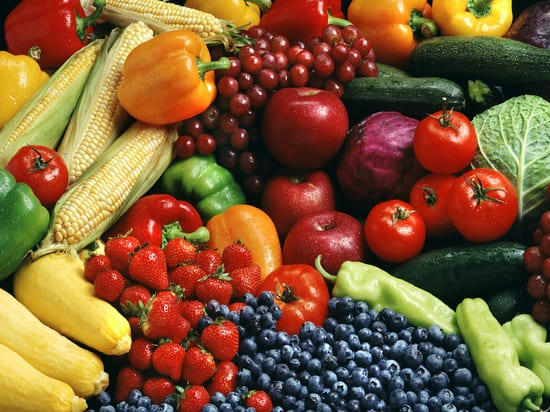
Although we consume them every day in fruit, vegetables, and the like, you may have never heard of secondary plant substances. The colour, odor, and flavor substances can take over many functions in our body. Here we explain what they are and where to find them.
Phytochemicals – the plant is our factory
When we eat plant-based foods such as fruit, vegetables, plant-based oils, oatmeal, spices and herbs, we always take in secondary plant substances. But where do these come from? Plants need an energy metabolism for their maintenance. On the one hand, this refers to processes that develop the plant further, form cells, and allow them to grow. On the other hand, also those processes that free them from degradation products. This is the so-called primary plant metabolism. The resulting primary plant substances (e.g. carbohydrates, fats, proteins) have direct nutritional properties for the body. At the same time, a secondary plant metabolism produces other substances that are not vital for the plant. They help the plant to protect itself from predators or bacteria or to be attractive for reproduction (e.g. by bees).
The colorful, fragrant world of secondary plant substances
All natural colors, smells, and flavors as well as plant hormones are secondary plant substances. Unlike vitamins (such as folic acid, vitamin B12, or vitamin D) and minerals (such as magnesium or zinc), they are not essential for our body. But consuming them has many benefits that we explain below.
The classification of secondary plant substances
About 100,000 different phytochemicals are currently known, of which 10,000 are found in human food. Depending on the diet plan, you take in about 1.5 g of secondary plant substances every day. People with a plant-rich vegetarian or vegan diet often consume even more during the day. In our list you can see a selection of the most important secondary plant substances.
Carotenoids
This is the plant’s yellow, orange, or red pigment. Carotenoids are often found as provitamin A in carrots, tomatoes, kale, and spinach.
Flavonoids and phenolic acids
Red, light yellow, blue, violet dye. These secondary plant substances are produced by plants as a defense against predators. They are found in vegetables and fruit (e.g. apples), soy, especially black and green tea, red grapes, and whole grains.
As a representative of the secondary plant substances, ellagic acid, which belongs to the polyphenols, can destroy certain cancer cells and stimulates fat burning. Ellagic acid is found in walnuts, pomegranates, raspberries, blackberries, and red grapes.
Glucosinolates (glycosides)
The plant uses them as a defense against predators. They are found, for example, in cress, types of cabbage, mustard, radish, and horseradish. You notice: The typical taste of these plants gives an indication of the glucosinolates they contain.
Monoterpenes
These are fragrances and flavorings of plants. Perhaps you are more familiar with these under the umbrella term of essential oils. You can find them in lemons, spearmint, cumin, peppermint, and fennel.
Phytoestrogens
Plant hormones, which also belong to the group of secondary plant substances and are found, for example, in grain, soy, and flaxseed. However, the effect on the human organism is controversial. A normal amount ingested with food is considered safe. However, the German Society for Nutrition advises against consuming isolated isoflavones (e.g. phytoestrogens as dietary supplements).
Phytosterols
These are plant hormones, for example in nuts, plant seeds, and whole grains.
Saponins
These secondary plant substances foam in a watery environment. We find them in legumes, oats, soy, asparagus, liquorice.
Sulfides
These are fragrances and flavorings that are found, for example, in leeks, garlic, or onions.
What can the secondary plant substances do?
Secondary plant substances fulfill a variety of tasks for plants. It is assumed that various of these functions also have a positive effect on the human organism. However, due to insufficient intervention studies, it is not possible to say what proportion of health-promoting effects can be attributed to secondary plant substances. It is possible that the preventive effects are also triggered by an interaction of nutrients, dietary fiber, and secondary plant substances. In addition, the bioavailability varies and has not yet been researched in detail. This means that one does not know to what extent each secondary plant substance is resorbed and made available in the body. Secondary plant compounds are mainly found in the skins, outer layers, and leaves of the plants. It depends on the preparation and the recipes how much of these substances can be absorbed by the human organism.
The range of influence on human health seems enormous. Effects for a reduced risk of certain cancers and cardiovascular diseases are associated with phytochemicals. The substances are also said to have an influence on the cholesterol concentration in the blood. However, claims such as the rejuvenating effect of barley grass on skin cells are unfounded.
Top 5: ideas for main dishes with an abundance of phytochemicals
- Tofu chard noodles with delicious peanut oil
- Eggplant salad full of colorful ingredients like peppers, tomatoes, garlic cloves, etc.
- A plate of spiral pasta – gemelli – with fennel
- A bowl of leafy greens garnished with chickpeas and yoghurt with fresh pomegranate seeds
- Cooked carrots and tomatoes in a rich vegetable pan
Phytochemicals are not miracle cures, but they fulfill many functions and can help fight chronic diseases, stress, obesity, etc.
Get inspired by our 5-a-day fruit and veg recipes!



Facebook Comments