 John Myers
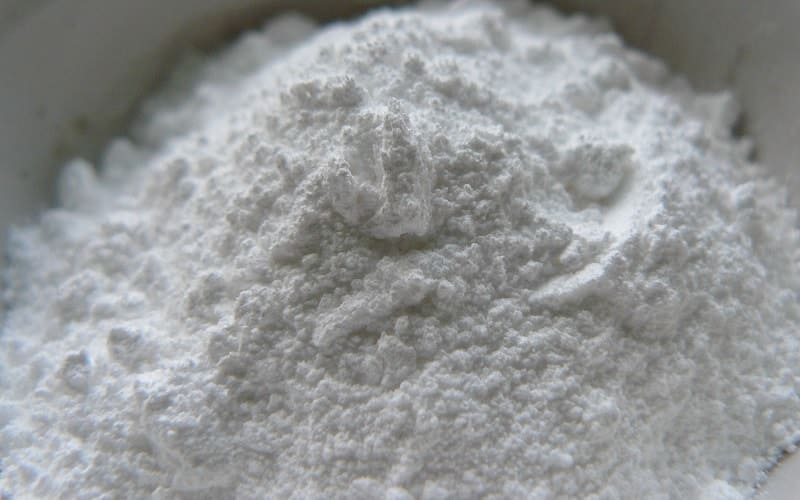
There are several ways to replace baking powder. Baking soda is the most common, but potash, carbonated mineral water, yeast, beaten egg whites, or high-proof alcohol work almost as well. All alternatives have different properties and are therefore not suitable for every type of dough. Their job remains the same. As a leavening agent, a substitute such as baking powder is intended to increase the volume of the dough by releasing carbon dioxide bubbles and thus ensure that the result is nice and airy.
Since it is an integral part of the original anyway – there are also release agents and acidifiers – soda serves as the first baking powder substitute. Especially since it is also tasteless as long as you don’t use too much of it. In this case, baking soda can taste bitter. You also have to add acid if you use baking soda instead of baking soda. If you are also looking for an alternative dough base, you should take a look at how to bake with buckwheat.
Alternatives: yeast, potash, or mineral water instead of baking powder
As much as each baking powder substitute makes the dough airier, the exact properties are just as different. Yeast, for example, brings more elasticity and its characteristic taste, while potash allows the dough to expand and is, therefore, more suitable for flat pastries such as gingerbread – the same applies to staghorn salt. If your baking recipe calls for eggs as an ingredient, you can beat the egg whites with sugar and a little salt to use them as a substitute for baking powder. Of course, the pastry is no longer vegan. Eat no animal products, and read how to bake without eggs and milk. You can also bake without butter for lighter, yet tasty dough variations.
Another baking soda substitute is sparkling mineral water, which also fluffs up the batter. However, this option is only suitable if you mix it anyway with the addition of large amounts of liquid. This is especially true for waffles, scrambled cakes, or pancakes.


Facebook Comments