 John Myers
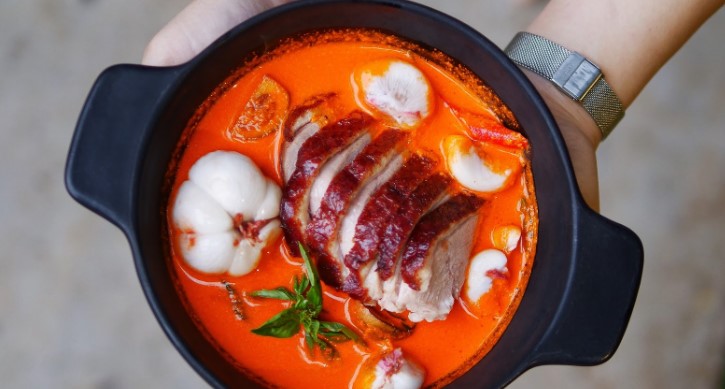
Introduction: Exploring the Richness of Indonesian Meat
The diverse landscape and cultural heritage of Indonesia have contributed to a vibrant culinary scene, with meat playing a central role in many dishes. From succulent satay skewers to hearty rendang stews, Indonesian cuisine is a treasure trove of meat-based delights that are sure to tantalize any food lover’s taste buds.
Indonesian meat cuisine is not only delicious but also steeped in tradition and history. The country’s tropical climate and abundant natural resources have allowed for a wide range of meat types and preparations to flourish, making it a unique and exciting destination for food enthusiasts.
A Brief History of Indonesian Meat Cuisine
Indonesia has a rich culinary history that dates back centuries, with meat playing an essential role in traditional dishes. The country’s extensive trade network with neighboring regions, such as India, China, and the Middle East, has influenced its meat cuisine over time.
The use of spices, which are a hallmark of Indonesian cuisine, was a result of these trade connections. Meat dishes were also heavily influenced by religious practices, with many traditional dishes being created for specific religious ceremonies or events. Today, Indonesian meat cuisine continues to evolve, incorporating modern techniques and ingredients while still holding on to its rich heritage.
Types of Meat Commonly Used in Indonesian Cuisine
Indonesia’s diverse geography and cultural heritage have contributed to a wide variety of meat types and preparations, depending on the region. Beef, chicken, pork, and goat are the most commonly used meats, while seafood is also popular in coastal areas.
In addition to these meats, Indonesians also consume more exotic animals such as crocodile, snake, and rat, although these are not widely available in restaurants. Meat dishes are often seasoned with a blend of spices and herbs, such as turmeric, coriander, and lemongrass, giving them a unique and delicious flavor.
Techniques for Preparing Indonesian Meat Dishes
Indonesian meat cuisine features a range of cooking techniques, from grilling and frying to slow-cooking and stewing. The preparation of meat often involves marinating it in a mixture of spices and herbs before cooking, which helps to tenderize and infuse the meat with flavor.
One popular method is to cook meat in coconut milk, which creates a rich and creamy sauce. Another technique is to use a pressure cooker, which can significantly reduce cooking time, making it perfect for busy households. Indonesian meat dishes are often served with rice, noodles or bread, and a variety of side dishes.
Signature Indonesian Meat Dishes Worth Trying
Indonesia has many mouthwatering meat dishes, but some signature dishes are a must-try. Beef rendang, a slow-cooked curry made with coconut milk and spices, is one of the country’s most famous dishes. Satay skewers, marinated and grilled meats served with peanut sauce, are also a popular street food.
Nasi goreng, a fried rice dish with meat and vegetables, is another Indonesian favorite. Soto ayam, a chicken soup with spices and herbs, is a perfect comfort food. There are also many local specialties that vary by region, such as iguana satay, which is famous in Papua.
Regional Variations in Indonesian Meat Cuisine
Indonesia has over 17,000 islands, each with its unique culture and cuisine. As a result, Indonesian meat dishes vary significantly by region. For example, Padang cuisine from West Sumatra is known for its spicy beef rendang, while Manado cuisine from Sulawesi features more seafood and less use of coconut milk.
In Central Java, sate klathak, made with chicken and served with spicy peanut sauce, is a popular street food, while in Bali, babi guling, a spit-roasted pig, is a festive dish served during religious ceremonies.
Pairing Indonesian Meat Dishes with Local Sides
Indonesian meat dishes are often served with rice, which is the country’s staple food. Nasi goreng, or fried rice, is a popular side dish, as well as noodles and bread. Vegetables such as spinach, water spinach, and green beans are also commonly served alongside meat dishes.
Sambal, a spicy condiment made from chili peppers, is often served as a side dish, along with pickles and crackers. In some regions, such as Bali and Lombok, bumbu, a spice mix made from shallots, garlic, and ginger, is also used as a side dish.
The Role of Meat in Indonesian Celebrations
Indonesians take their meat dishes seriously and often serve them during special occasions such as weddings, religious ceremonies, and holidays. Babi guling, a roasted pig dish, is often served during Balinese ceremonies, while sate ayam, a chicken skewer dish, is a popular choice for wedding feasts.
During Muslim holidays such as Eid al-Fitr and Eid al-Adha, meat dishes such as beef rendang and chicken curry are commonly served. Meat is often seen as a symbol of wealth and abundance and is a crucial part of Indonesian culture.
Sustainable Practices in Indonesian Meat Production
Indonesia’s meat industry is under pressure due to the country’s rapid population growth and urbanization. The government has taken steps to address this issue by promoting sustainable practices in meat production, such as reducing the use of antibiotics and encouraging small-scale farmers.
Indonesian consumers are also increasingly aware of the impact of meat production on the environment and animal welfare, leading to a rise in demand for organic and free-range meat. Sustainable meat production practices are crucial to preserving Indonesia’s rich culinary heritage and ensuring a healthy and diverse food supply for generations to come.
Conclusion: Why You Should Savor Indonesian Meat
Indonesian meat cuisine is a culinary wonderland, with a wide variety of meats and preparations that are sure to delight any food lover. From savory beef rendang to spicy sate skewers, Indonesian meat dishes are full of flavor and history.
By exploring the different regions, techniques, and sides of Indonesian meat cuisine, you can experience the diversity and richness of this unique culinary tradition. Moreover, by supporting sustainable meat production practices, you can help preserve Indonesia’s culinary heritage for future generations.



Facebook Comments