 Robert Zelesky
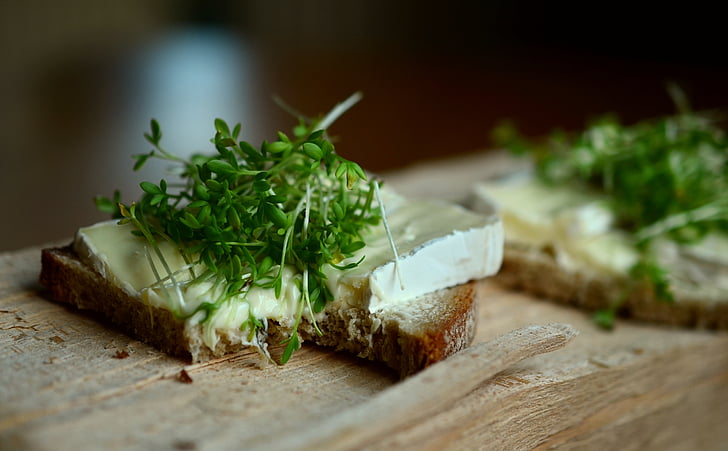
Swiss cuisine is renowned for its diversity and regional specialties, reflecting the country’s rich cultural tapestry. Among the culinary treasures, Swiss bread stands out, often incorporating unique ingredients that mirror the nation’s love for wholesome, hearty foods. One such delightful creation is Swiss Herb Bread. This aromatic bread combines fresh herbs with traditional Swiss baking techniques, resulting in a loaf that is as flavorful as it is versatile. Whether served alongside a meal or enjoyed on its own, Swiss Herb Bread is a testament to the Swiss knack for turning simple ingredients into culinary masterpieces.
The Heritage of Swiss Bread
Switzerland’s bread-making tradition dates back centuries, with each region offering its own specialties. The French-speaking regions, for instance, are known for their delicate and airy bread, while the German-speaking areas favor dense and hearty loaves. Swiss Herb Bread is a delightful fusion of these influences, bringing together the best of both worlds with a unique twist of fresh herbs that are abundant in the Swiss countryside.
Ingredients
To make a traditional Swiss Herb Bread, you will need the following ingredients:
For the Dough:
- All-Purpose Flour: 4 cups (500g)
- Yeast: 2 1/4 teaspoons (1 packet) of active dry yeast
- Sugar: 1 tablespoon
- Warm Water: 1 1/2 cups (350ml), around 110°F (45°C)
- Salt: 1 1/2 teaspoons
- Olive Oil: 2 tablespoons
- Fresh Herbs: 1/2 cup, finely chopped (a mix of parsley, chives, thyme, and rosemary)
For the Herb Butter:
- Butter: 1/4 cup (60g), softened
- Garlic: 1 clove, minced
- Fresh Herbs: 2 tablespoons, finely chopped (a mix of parsley and chives)
- Salt: A pinch
Recipe
Step 1: Prepare the Dough
- Activate the Yeast: In a large mixing bowl, combine the warm water, sugar, and active dry yeast. Stir gently and let the mixture sit for about 5-10 minutes, or until it becomes frothy. This indicates that the yeast is active and ready to use.
- Mix the Dough: Add the all-purpose flour and salt to the yeast mixture. Stir in the olive oil and the finely chopped fresh herbs. Mix until a rough dough forms.
- Knead the Dough: Turn the dough out onto a lightly floured surface and knead for about 10 minutes, or until it becomes smooth and elastic. If the dough is too sticky, add a little more flour, a tablespoon at a time.
- First Rise: Place the dough in a lightly oiled bowl, cover with a damp cloth or plastic wrap, and let it rise in a warm place for about 1-2 hours, or until it has doubled in size.
Step 2: Shape and Second Rise
- Punch Down the Dough: After the dough has risen, punch it down to release any air bubbles. Turn it out onto a lightly floured surface.
- Shape the Loaf: Shape the dough into a round or oval loaf. You can also divide it into smaller portions to make individual rolls or baguettes.
- Second Rise: Place the shaped dough onto a baking sheet lined with parchment paper. Cover it with a damp cloth and let it rise again for about 30-45 minutes, or until it has doubled in size.
Step 3: Prepare the Herb Butter
- Combine Ingredients: In a small bowl, mix the softened butter with the minced garlic, finely chopped fresh herbs, and a pinch of salt. Stir until well combined.
Step 4: Bake the Bread
- Preheat the Oven: Preheat your oven to 375°F (190°C).
- Score the Dough: Once the dough has risen, use a sharp knife to make a few slashes on the top of the loaf. This allows the bread to expand properly while baking.
- Bake: Place the baking sheet in the preheated oven and bake for 30-35 minutes, or until the bread is golden brown and sounds hollow when tapped on the bottom.
- Brush with Herb Butter: About 5 minutes before the bread is done, remove it from the oven and brush the top with the prepared herb butter. Return the bread to the oven for the remaining baking time.
- Cool: Remove the bread from the oven and let it cool on a wire rack before slicing.
Serving Suggestions
- With Meals: Swiss Herb Bread is an excellent accompaniment to soups, stews, and salads. Its aromatic flavors complement a wide range of dishes, making it a versatile addition to any meal.
- As a Snack: Enjoy slices of Swiss Herb Bread on their own or with a slather of butter or cheese for a simple yet satisfying snack.
- For Sandwiches: Use the bread to make delicious sandwiches. Its sturdy texture and flavorful profile make it ideal for both cold and hot sandwiches.
Variations
- Herb Variations: Feel free to experiment with different herbs based on your preference or what is available. Basil, oregano, and dill can also be wonderful additions.
- Cheese Addition: Add some grated Swiss cheese to the dough for a cheesy twist. This adds another layer of flavor and richness to the bread.
- Garlic Bread: Turn this bread into garlic bread by adding more garlic to the herb butter and brushing it generously on both sides of the sliced bread before toasting.
Conclusion
Swiss Herb Bread is a delightful and flavorful bread that brings the best of Swiss culinary traditions to your table. Its combination of fresh herbs, olive oil, and a perfectly baked crust makes it a versatile and delicious addition to any meal. Whether enjoyed as part of a hearty Swiss meal, a simple snack, or a base for sandwiches, this bread showcases the rich flavors and culinary creativity that Switzerland is known for. Bake a loaf today and experience the aromatic and wholesome goodness of Swiss Herb Bread.


Facebook Comments