 John Myers

Introduction: The Fine Art of Taj Mahal Cuisine
India is known for its diverse cuisine, but few places can match the richness and complexity of Agra’s Taj Mahal cuisine. Agra, the city that houses one of the Seven Wonders of the World, is also home to a culinary tradition that dates back centuries. The Mughal emperors, who ruled India in the 16th and 17th centuries, were great patrons of the arts, including food. They brought Persian and Central Asian influences to Indian cuisine, creating a unique blend of flavors and spices that are still enjoyed today.
A Journey Through the Rich Flavors of India
Taj Mahal cuisine is a journey through the rich flavors of India. From fragrant biryanis to tangy chutneys, the cuisine is a testament to the country’s culinary heritage. The food is characterized by its bold flavors, the use of aromatic spices, and the intricate techniques used in its preparation. The cuisine is a reflection of the diverse regions of India, with each dish representing a unique blend of spices and ingredients.
Discover the Most Popular Taj Mahal Dishes
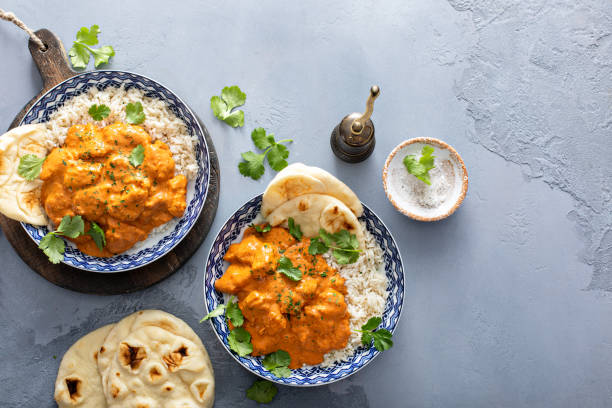
No Taj Mahal culinary experience is complete without trying some of the most popular dishes. Among the must-try dishes are biryanis, which are rice dishes flavored with spices and served with meat or vegetables. Another popular dish is kebabs, which are marinated meats grilled over hot coals. Tandoori chicken, a dish of marinated chicken cooked in a clay oven, is also a favorite. For vegetarians, palak paneer, a creamy spinach and cheese dish, and chana masala, a spicy chickpea curry, are popular options.
The Spice Route: Understanding Indian Spices
Indian spices are essential to Taj Mahal cuisine. The cuisine uses a wide range of spices, from the pungent cumin to the sweet cinnamon. Spices are used not only for their flavors but also for their medicinal properties. The use of spices also reflects the region’s history, as many of the spices used in Indian cuisine were traded along the ancient spice routes.
The Taj Mahal Culinary Experience
The Taj Mahal culinary experience is more than just tasting delicious food. It is an opportunity to immerse oneself in the history and culture of Agra. Many restaurants offer live performances of traditional music and dance, creating a lively and entertaining atmosphere. The cuisine is also a reflection of the city’s architectural heritage, with many dishes named after famous landmarks and monuments.
From Street Food to Fine Dining: Taj Mahal’s Gastronomy
Taj Mahal cuisine is not limited to fine dining establishments. Street food is an important part of the culinary tradition, with food vendors selling snacks and sweets on the city’s bustling streets. From piping hot samosas to sweet jalebis, street food is a great way to experience the flavors of Taj Mahal cuisine.
Vegetarian Delights: The Best of Taj Mahal’s Plant-Based Cuisine
Vegetarian cuisine is an integral part of Taj Mahal’s gastronomy. With a large vegetarian population in India, many restaurants offer a diverse range of plant-based dishes. From creamy lentil dals to spicy vegetable curries, vegetarian cuisine is just as flavorful and satisfying as its meat-based counterparts.
Meat Lovers Rejoice: Taj Mahal’s Meaty Staples
For meat lovers, Taj Mahal cuisine offers a wide range of options. From succulent lamb dishes to tender chicken curries, meat is an important part of the cuisine. The use of spices and marinades creates rich and flavorful dishes that are sure to please.
Taj Mahal’s Desserts: A Sweet End to Your Meal
No meal is complete without dessert, and Taj Mahal cuisine is no exception. Desserts are a sweet and indulgent end to a meal. Among the most popular desserts are ras malai, a creamy cheese dumpling in sweetened milk, and gulab jamun, a deep-fried doughnut soaked in syrup.
Bringing Taj Mahal Cuisine to Your Home
If you can’t make it to Agra, you can still enjoy the flavors of Taj Mahal cuisine at home. Many cookbooks and online resources offer recipes for traditional dishes, allowing you to recreate the flavors of India in your kitchen. Whether you’re a seasoned chef or a novice cook, Taj Mahal cuisine is accessible to anyone who loves good food.


Facebook Comments