 Lindy Valdez

When should Grana Padano be sliced and when should it be grated? Where does the name of this Italian specialty come from? And what are the best Grana Padano recipes? Become a cheese expert and immerse yourself in the world of the legendary delicacy.
When is it planned and when should you go all out?
It sounds like every pasta lover’s dream, but it really does exist: Tagliatelle made from the Grana Padano loaf. Ideal for parties with several guests. The pasta, cooked al dente, is placed in half a hollowed-out cheese wheel and tossed in it. Tagliatelle and Grana Padano are usually enjoyed pure or with a touch of truffles.
Serve Grana Padano in chunky chunks to accompany wine and antipasti. These are broken out of the wheel of cheese with a special knife: in Italian, it is called “tagliarini” (literally: “cut the grana”). The helpful utensil is characterized by its short teardrop-shaped blade.
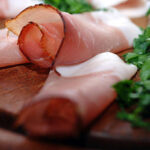
Slice Grana Padano with a potato peeler or a truffle slicer and refine salads, carpaccios, for example, or serve it with air-dried ham, tapas, and antipasti. Certain pizza variations are also served with shaved Grana Padano. For example the “pizza con rucola e grana”: the pizza is baked in the oven and only then served with fresh rocket and grana shavings – salad and pizza in one.
When serving, pasta creations are often topped with grated Grana Padano. The rasps ensure that you consciously perceive the aroma of the fine cheese when you enjoy it. But the grated Grana Padano is not only suitable for pasta. Whether for baking casseroles, refining fried mushrooms, fried potatoes, or gnocchi or for rounding off fruit desserts such as pear or fig compote: Grana Padano is a real all-rounder.
On the other hand, the Italian hard cheese is finely grated when making sauces, risottos, lasagne, and stuffed peppers or zucchini: its intense flavor is absorbed by the dish and gives it a spicy to slightly nutty note. Grana Padano is therefore also ideal for seasoning.
Tip: There is also a lot of flavor in the rind of the Grana Padano, which is left over at the end. You can use them to make minestrone. Simply cook and remove the piece of bark before serving. This gives the Italian vegetable soup an even greater flavor volume.
Once upon a time around the year 1135 in the area around the river Po…
Benedictine monks invented Grana Padano almost a millennium ago in what is now northern Italy. It owes its name to its granular structure and origin. In Italian, “Grana” means “grain” and “Padano” means “from the Po Valley”. Today, the “Consortium for the Protection of Grana Padano Cheese” ensures that each wheel meets the strict guidelines during production. The consortium is made up of dairy farmers, dairies, and cheese dairies who are responsible for preserving the original recipe. They are all based in the Po River area. All manufacturing steps are done here. This is guaranteed by the “protected designation of origin” seal.
This is how a masterpiece is created: the production of Grana Padano
The milk comes only from certified dairies. This is partially skimmed through a natural process. The valuable raw material is mixed with whey and rennet in traditional copper vats.
Only genuine with the rhombus: You should pay attention to these seals.
You can see from two seals that it is not just any hard cheese, but original Grana Padano. The diamond with the brand logo is only awarded by the “Consorzio Tutela Grana Padano”. The consortium monitors the strict guidelines during production – from the feed that the cows are given to the necessary maturing time. The “Protected Designation of Origin” seal, also known in Italy as D.O.P. (“Denominazione D’Origine Protetta”), is guaranteed that all manufacturing steps take place in the Po Valley (see map above).
It is the culmination of Italian pasta art: spaghetti, fusilli & co. enter into a heavenly, creamy liaison with the sauce and thus achieve the perfect consistency and creaminess. Read here about the tricks you can use to make your pasta dishes particularly creamy.


Facebook Comments