 John Myers

The Aromatic World of Indian Soups: An Overview
Indian cuisine is known for its use of aromatic spices and herbs, and that reputation extends into Indian soups. From spicy broths to creamy blends, Indian soups are filled with intense flavors that come from a variety of spices, herbs, and vegetables. Whether you prefer vegetarian or meat-based soups, Indian cuisine has something to offer everyone.
Indian soups are not only delicious but also nutritious. They contain several health benefits, including aiding digestion, boosting immunity, and reducing inflammation. In this article, we will explore the flavors and health benefits of Indian soups, the role of aromatics in Indian cuisine, common ingredients used in Indian soups, traditional recipes to try, and how to make Indian soup at home.
Discovering the Flavors of Indian Soup
Indian soups are a blend of various flavors, including sweet, spicy, tangy, and savory. The spices used in Indian soups are roasted before being added to the dish to enhance their natural flavors. Some common spices used in Indian soups include cumin, coriander, turmeric, ginger, garlic, and black pepper. Other ingredients like fresh herbs such as cilantro, mint, and curry leaves are also used to add more depth to the soups.
One unique aspect of Indian soups is the inclusion of lentils, which are often used to create thick and creamy soups. Additionally, Indian soups often contain coconut milk, which adds a rich and creamy texture to the dish. The use of tomatoes, onions, and carrots is also common in Indian soups. These vegetables provide a sweet and tangy flavor to the soup, while also adding essential vitamins and minerals.
Health Benefits of Indian Soup
Indian soups are not only flavorful but also offer several health benefits. The use of spices in Indian soups provides numerous medicinal benefits. For instance, ginger contains anti-inflammatory properties, while turmeric is known to improve digestion and reduce inflammation. The inclusion of lentils in Indian soups provides an excellent source of protein and fiber, which can help regulate blood sugar levels and reduce the risk of heart disease.
Furthermore, the use of vegetables in Indian soups ensures that they are packed with essential vitamins and minerals such as Vitamin C, potassium, and iron. The addition of coconut milk in Indian soups adds healthy fats to the dish, which can help reduce cholesterol levels and improve heart health.
The Role of Aromatics in Indian Soups
Aromatics such as spices and herbs play a crucial role in Indian soups. They not only add flavor to the dish but also provide medicinal properties. The process of roasting spices before adding them to the soup brings out their natural oils, intensifying the flavors. For example, cumin seeds are often roasted before being used in Indian soups, which enhances their nutty and earthy flavor.
Additionally, fresh herbs such as cilantro and mint are added to Indian soups to provide a refreshing and cooling effect. Curry leaves are also used to add a unique flavor to the soup. The combination of these aromatics creates a complex and flavorful taste that is unique to Indian cuisine.
Common Ingredients in Indian Soups
Indian soups rely on a variety of ingredients to create their distinct flavors. Some common ingredients used in Indian soups include lentils, vegetables such as tomatoes and onions, coconut milk or cream, and spices such as cumin, coriander, and turmeric.
Lentils are a staple ingredient in many Indian soups, providing a creamy texture and a protein-rich base. Vegetables like tomatoes and onions are often used to add sweetness and tanginess to the soup. Coconut milk or cream is added to create a rich and creamy texture, while spices like cumin, coriander, and turmeric provide a depth of flavor.
Traditional Indian Soup Recipes to Try
There are many traditional Indian soup recipes to try, each with its unique flavor and ingredients. One popular soup is Mulligatawny soup, which originates from South India. It is a flavorful soup made with lentils, vegetables, and spices like cumin, coriander, and turmeric. Another traditional soup is Tomato Shorba, which is a tangy and spicy soup made with tomatoes, ginger, and garlic.
Other traditional Indian soups include Sambar, a lentil-based soup with vegetables like carrots and beans, and Rasam, a tangy and spicy soup made with tamarind and spices. No matter which traditional Indian soup recipe you choose, you are sure to enjoy a unique and flavorful dish.
Regional Varieties of Indian Soup
Indian soup varies regionally, with each region having its unique flavors and ingredients. For instance, the North Indian cuisine is known for its creamy and rich soups made with nuts and cream. In contrast, South Indian soups are spicier and tangier, with the use of tamarind and coconut milk.
Similarly, the East Indian cuisine is known for its use of mustard oil, which adds a pungent flavor to the soup. In contrast, the West Indian cuisine has a milder flavor with the use of coconut and seafood. Exploring regional varieties of Indian soup is a great way to experience the diversity of Indian cuisine.
How to Make Indian Soup at Home
Making Indian soup at home is relatively easy and requires a few basic ingredients. Start by sautéing aromatics such as onions, garlic, and ginger in oil until fragrant. Then, add vegetables such as tomatoes and carrots and cook until soft. Add spices like cumin, coriander, and turmeric, and cook for a few minutes until fragrant.
Next, add lentils or stock and cook until the lentils are soft and tender. Finally, add coconut milk or cream and simmer until the soup reaches the desired consistency. Garnish with fresh herbs such as cilantro or mint and serve hot.
Pairing Indian Soups with Other Dishes
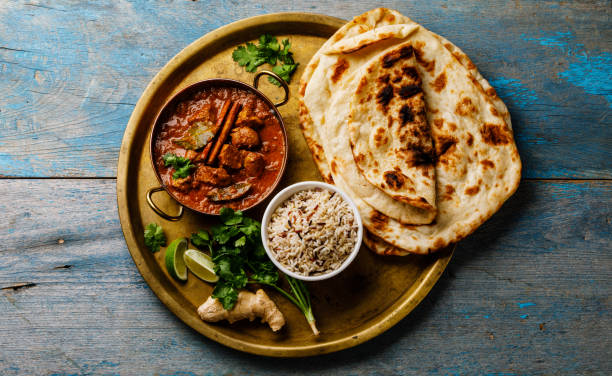
Indian soups pair well with a variety of dishes, including rice, naan bread, and salads. For instance, lentil-based soups like Sambar go well with rice, while creamy soups like Mulligatawny soup pair well with naan bread.
Additionally, Indian soups can be paired with salads to create a balanced and healthy meal. Pairing Indian soups with other dishes is an excellent way to enjoy a complete Indian meal.
Tips for Serving Indian Soup to Guests
When serving Indian soup to guests, it is essential to consider their spice tolerance. Some guests may prefer milder flavors, while others may enjoy spicier soups. It is best to offer a range of spice levels to cater to everyone’s preference.
Additionally, serving Indian soups in small bowls with a side of naan bread or rice can make for an elegant and sophisticated presentation. Garnishing the soup with fresh herbs like cilantro or mint can also elevate the visual appeal of the dish.
In conclusion, Indian soups are a delicious and nutritious way to experience the aromatic world of Indian cuisine. From creamy lentil soups to tangy tomato soups, Indian cuisine has something for everyone. By exploring the flavors, ingredients, and health benefits of Indian soups, you can discover a new world of culinary delight.


Facebook Comments