 John Myers
Introduction to Chinese Hotpot
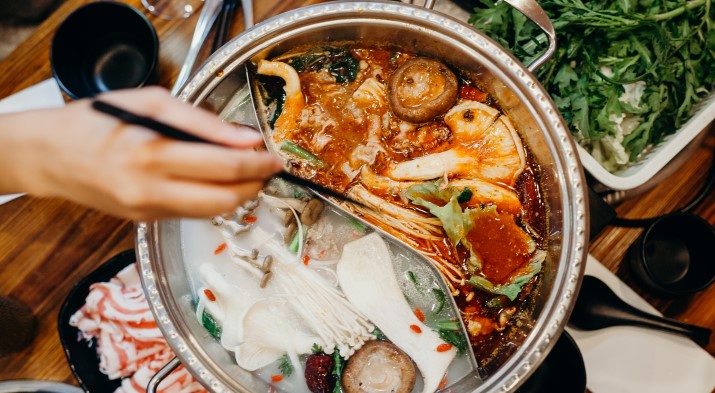
Chinese hotpot is a popular social dining experience in China and other parts of Asia. It involves cooking raw ingredients like meat, seafood, and vegetables in a simmering pot of broth, which sits at the center of a table. The hotpot is enjoyed with friends and family, who share the food and conversation as they cook and eat together.
Hotpot is known for its interactive and communal nature, as well as its ability to provide a wide variety of flavors and ingredients all in one meal. It is a versatile meal that can be enjoyed year-round, and it is particularly popular during colder months when a hot meal is particularly comforting.
History and Evolution of Hotpot
Hotpot has a long history, dating back to the Tang Dynasty in China (618-907 AD). It started as a way for poor families to stretch their food resources by cooking small amounts of meat with a lot of vegetables in a shared pot. Over time, the dish evolved to include more luxurious ingredients and became a popular way for people to socialize and celebrate special occasions.
In the 20th century, hotpot became more widely popular and started to include more diverse and exotic ingredients like seafood and offal. Today, hotpot is enjoyed by people all over the world, and it has been adapted to suit different regional tastes and dietary preferences.
The Anatomy of A Hotpot
A hotpot is comprised of several key components, including the pot, the broth, and the ingredients. The pot is typically made of metal, clay, or stone and is heated on a portable burner or stove. The broth is usually made from a combination of meat bones, vegetables, and spices, and it is the foundation of the flavor of the hotpot.
The ingredients can vary widely depending on personal preference and availability, but common options include thinly sliced meat, seafood, tofu, mushrooms, and various vegetables. The ingredients are usually arranged on a platter or in bowls around the hotpot for easy access.
The Essential Ingredients for A Hotpot
The essential ingredients for a hotpot can vary depending on personal preference, but some common options include thinly sliced beef, lamb, or pork, seafood like shrimp or squid, tofu, mushrooms, and leafy greens. The key is to choose ingredients that can cook quickly in the hotpot and absorb the flavor of the broth.
In addition to the ingredients, it is important to have a variety of dipping sauces and condiments to enhance the flavor of the hotpot. Popular options include sesame paste, soy sauce, chili oil, and garlic.
Preparing the Broth: A Step-by-Step Guide
Preparing the broth is a crucial step in making a delicious hotpot. The broth is typically made from meat bones, vegetables, and spices, and it should simmer for several hours to develop a rich flavor.
To make the broth, start by adding meat bones to a large pot of water and bringing it to a boil. Skim off any impurities that rise to the surface, then add vegetables like onions, carrots, and celery, along with spices like star anise and cinnamon. Reduce the heat to a simmer and let the broth cook for several hours, then strain out the solids and discard them. The broth is now ready to be used in the hotpot.
Cooking and Serving the Meat and Vegetables
To cook the meat and vegetables in the hotpot, simply add them to the simmering broth and let them cook for a few minutes until they are tender and cooked through. Use chopsticks or a slotted spoon to remove the cooked ingredients from the pot and dip them in your favorite sauce before eating.
To keep the hotpot going throughout the meal, replenish the broth as needed and add more ingredients to the pot as space allows. This allows everyone to cook and eat at their own pace and ensures that the hotpot stays hot and flavorful.
Tips for Enhancing the Flavor of Your Hotpot
There are several ways to enhance the flavor of your hotpot, including adding aromatic spices like ginger and garlic to the broth, using high-quality ingredients, and experimenting with different dipping sauces and condiments.
Another way to add flavor to your hotpot is to use different types of broths, such as spicy Sichuan-style broth or mild and savory chicken broth. You can also experiment with different cooking techniques, such as grilling or stir-frying the meat before adding it to the hotpot for added depth of flavor.
Pairing Beverages with Your Hotpot
Pairing the right beverage with your hotpot can enhance the dining experience and complement the flavors of the dish. Popular options include beer, rice wine, and green tea.
Beer is a refreshing option that can help cut through the richness of the broth and ingredients. Rice wine is a traditional pairing that enhances the umami flavors of the hotpot, while green tea can help cleanse the palate between bites and aid digestion.
Hotpot Etiquette: Do’s and Don’ts
When enjoying hotpot with friends and family, there are a few basic etiquette rules to keep in mind. Do: use chopsticks to cook and eat the ingredients, share the food and conversation with your dining companions, and add ingredients to the pot in a communal and respectful way. Don’t: double dip your food in the dipping sauce, hog the ingredients or the broth, or use your chopsticks to point or gesture.
Conclusion: A Sumptuous Tradition that Unites People
Hotpot is more than just a meal – it is a social and cultural tradition that brings people together. Whether enjoying it at home or at a restaurant, hotpot is a fun and interactive way to bond with friends and family over a shared love of food. By following the simple steps and tips outlined in this guide, anyone can enjoy a delicious and satisfying hotpot experience.


Facebook Comments