 John Myers
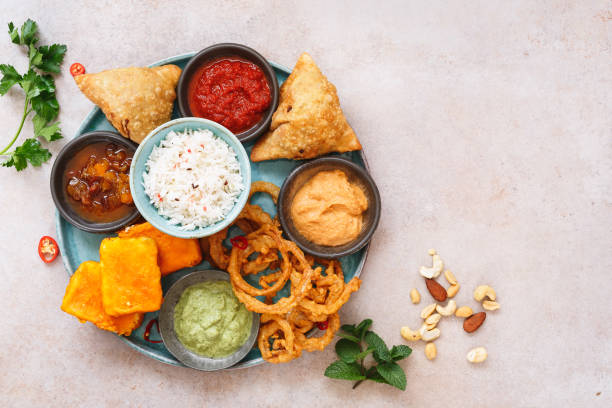
Introduction: The Richness of Indian Cuisine
Indian cuisine is one of the most diverse and flavorful cuisines in the world. With its rich spices, aromatic flavors, and colorful ingredients, Indian dishes are a feast for the senses. Indian food is known for its use of turmeric, cumin, coriander, and other spices that are blended together to create a perfect balance of flavors. Every region in India has its own unique cuisine, and each dish has its own story to tell.
One of the most popular dishes in Indian cuisine is Vada, a fried snack made from lentils or potatoes. It is a staple food in South India and is enjoyed as a breakfast or evening snack. Vada is a versatile dish that can be prepared in various ways with different ingredients. It is a favorite among the locals and is now gaining popularity all over the world.
The Origin of Vada: A Brief History
The origin of Vada can be traced back to the ancient city of Udupi in Karnataka, South India. Vada was first made by the Hindu Brahmin community, who were vegetarian and used lentils as a substitute for meat. The dish was later modified by the locals to include potatoes, onions, and other vegetables. Vada is now a popular snack in the entire South Indian region and is enjoyed by people of all ages.
In the early days, Vada was made using a crushing stone or a mortar and pestle to grind the lentils. However, with the advent of technology, Vada is now prepared using a mixer grinder or a food processor. The dish has evolved over the years, with various styles and flavors emerging in different parts of India.
The Ingredients and Preparation of Vada
The primary ingredients used to make Vada are lentils, potatoes, onions, green chilies, and spices. The lentils are soaked overnight and then ground into a smooth batter. The batter is then mixed with chopped onions, green chilies, and other spices like cumin, coriander, and turmeric. The mixture is then formed into small balls, flattened, and deep-fried until golden brown.
In some variations of Vada, potatoes are added to the lentil batter to create a softer and more flavorful snack. This version is known as Aloo Vada, which translates to potato vada. The preparation of Aloo Vada is similar to that of regular Vada, but with the added ingredient of boiled potatoes.
The Many Varieties of Vada: From Masala to Medu
Vada comes in various styles and flavors, with each region having its own unique version of the snack. Some of the most popular variations of Vada are:
- Masala Vada: This type of Vada is made with chana dal and a blend of spices, including ginger, garlic, and curry leaves. Masala Vada is usually served as a side dish with rice or as a standalone snack.
- Medu Vada: Medu Vada is a popular Vada variant from South India. It is made with urad dal and is crispy on the outside and soft on the inside. Medu Vada is often eaten with coconut chutney or sambar.
- Rava Vada: Rava Vada is a crispy, deep-fried snack made with semolina, curd, and spices. It is a popular snack in Karnataka and is often served with coconut chutney.
The Art of Eating Vada: Accompaniments and Traditions
Vada is traditionally served with coconut chutney, sambar, or a spicy tomato chutney. It is often eaten with hot chai or coffee and is considered a filling and satisfying snack. In South India, Vada is often eaten for breakfast or as an evening snack, along with other traditional snacks like idli and dosa.
Eating Vada is an art that requires a certain level of skill. The snack is usually served hot and is best eaten with your hands. To eat Vada, break off a small piece and dip it in the chutney or sambar. Take a bite, savor the flavors, and repeat until the snack is finished.
Vada Outside India: Global Popularity and Adaptations
Vada has gained popularity outside of India, with Indian restaurants and food trucks serving the snack all over the world. In some countries, Vada has been adapted to suit local tastes, with variations like cheese Vada or corn Vada.
In the United States, Vada is popular in Indian communities and is often served at cultural festivals and events. Vada has also made its way into mainstream cuisine, with restaurants and food chains serving the snack as a fusion dish with other cuisines.
Health Benefits of Vada: A Nutritious and Energizing Snack
Vada is a nutritious and energizing snack that is high in protein and fiber. The lentils used in Vada are a good source of plant-based protein and are rich in vitamins and minerals. Vada is also low in fat, making it a healthy snack option.
However, Vada is deep-fried and can be high in calories if consumed in large quantities. It is best eaten in moderation as a part of a balanced diet.
Vada in Indian Culture: Festivals and Occasions
Vada is an integral part of Indian culture and is often served during festivals and occasions. During the Hindu festival of Diwali, Vada is traditionally made and offered to the gods as a symbol of prosperity and good luck. Vada is also served during weddings and other celebrations.
In some parts of South India, Vada is served as a street food snack, and vendors sell the snack on the streets during festivals and fairs.
Making Vada at Home: Tips and Recipes
To make Vada at home, soak the lentils overnight and grind them into a smooth batter. Add chopped onions, green chilies, and spices, and mix well. Form the mixture into small balls, flatten them, and deep-fry until golden brown.
For those looking to add a twist to the traditional Vada recipe, try adding mashed potatoes or grated carrots to the lentil batter. These additions will create a softer and more flavorful snack.
Conclusion: Vada, a Delectable Delight to Savor
Vada is a delicious and versatile snack that is enjoyed by people all over the world. Its rich flavors and crispy texture make it an irresistible treat that can be eaten at any time of the day. Vada is a testament to the diversity and richness of Indian cuisine, and its popularity continues to grow as people discover its unique flavors and adapt it to suit their tastes.


Facebook Comments