 John Myers
Introduction: The Rich History of Dynasty Chinese Cuisine
Chinese cuisine is one of the oldest and most diverse culinary traditions in the world. It has evolved over thousands of years, influenced by geography, climate, religion, and cultural exchange. One of the most important eras in the development of Chinese cuisine was the Dynastic period, which spanned from the 3rd century BC to the 20th century AD. During this time, various emperors and rulers established their own culinary traditions, which were refined and passed down through generations of chefs and food enthusiasts.
Dynasty Chinese cuisine is renowned for its complex and delicate flavors, as well as its impeccable presentation. It encompasses a wide range of dishes, from savory soups and steaming hotpots to crispy stir-fries and sweet desserts. Many of these dishes have become staples of modern Chinese cuisine, and are beloved by people all over the world. In this article, we will explore the mouth-watering specialties, techniques, and health benefits of Dynasty Chinese cuisine, as well as its influence on contemporary cuisine.
Mouth-Watering Specialties of Dynasty Chinese Cuisine
Dynasty Chinese cuisine is known for its rich and diverse flavors, which are achieved through a combination of fresh ingredients, aromatic spices, and intricate cooking techniques. Some of the most popular dishes include Peking Duck, a crispy and juicy roast duck served with thin pancakes and scallions; Kung Pao Chicken, a spicy and aromatic stir-fried dish with peanuts and vegetables; and Hot and Sour Soup, a tangy and savory soup made with mushrooms, bamboo shoots, and tofu.
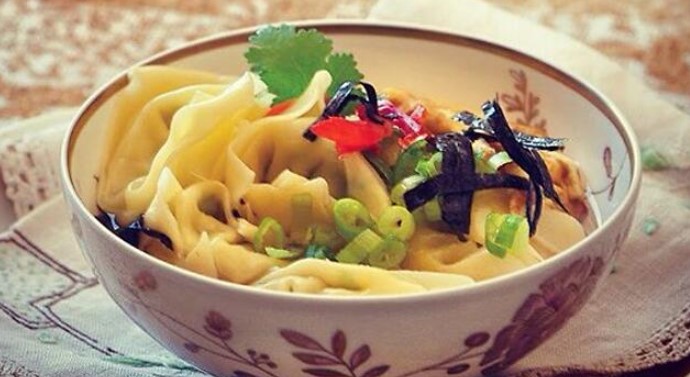
Another hallmark of Dynasty Chinese cuisine is its wide variety of dim sum, which are small, bite-sized dishes typically served during breakfast or lunch. Dim sum can include steamed dumplings, fried wontons, savory cakes, and sweet buns filled with red bean paste or lotus seed paste. Each dish is meticulously crafted to achieve the perfect texture, flavor, and appearance, and is often accompanied by fragrant tea.
The Art of Cooking and Presentation in Dynasty Chinese Cuisine
In Dynasty Chinese cuisine, cooking is not just about preparing food, but also about creating a visual and sensory experience for diners. Chefs use a variety of techniques to enhance the texture, color, and aroma of dishes, such as stir-frying, braising, steaming, and deep-frying. They also pay careful attention to the presentation of each dish, using garnishes, sauces, and plating to make it look as beautiful as it tastes.
One of the key principles of Dynasty Chinese cuisine is balance, which refers to the harmony of flavors, textures, and colors in a dish. A well-balanced dish should be neither too salty nor too sweet, neither too spicy nor too bland, and should have a mix of soft and crunchy, hot and cold, and colorful ingredients. This balance is achieved through careful selection of ingredients, precise cooking times, and meticulous seasoning.
The Influence of Dynasty Chinese Cuisine on Modern Chinese Food
Dynasty Chinese cuisine has had a significant impact on modern Chinese cuisine, both in China and abroad. Many of the dishes and techniques developed during the Dynastic period have become cornerstones of Chinese culinary tradition, and are still enjoyed today. For example, the use of soy sauce, vinegar, and ginger as seasoning agents is ubiquitous in Chinese cuisine, and can be traced back to the Tang Dynasty.
Dynasty Chinese cuisine has also influenced regional cuisines in China and other parts of Asia. For example, the Cantonese cuisine of Guangdong province is heavily influenced by the Han cuisine of the Tang Dynasty, and features dishes such as dim sum, congee, and barbecue pork. Similarly, the cuisines of Taiwan, Hong Kong, and Singapore incorporate elements of Dynasty Chinese cuisine, such as hotpots and stir-fries.
Essential Ingredients and Techniques in Dynasty Chinese Cuisine
The key to Dynasty Chinese cuisine is using fresh, high-quality ingredients and applying precise cooking techniques to bring out their natural flavors. Some of the essential ingredients in Dynasty Chinese cuisine include rice, wheat, soybeans, sesame oil, vinegar, ginger, garlic, and chili peppers. These ingredients are used in a variety of ways, such as making sauces, marinades, and seasonings.
One of the most important techniques in Dynasty Chinese cuisine is wok cooking, which involves using a curved pan to stir-fry ingredients over high heat. This technique allows for quick and even cooking, and helps to retain the natural flavor and texture of the ingredients. Other important techniques in Dynasty Chinese cuisine include steaming, braising, and deep-frying, which are used to create a wide range of dishes.
Regional Differences in Dynasty Chinese Cuisine
Dynasty Chinese cuisine is not monolithic, but rather encompasses a wide range of regional and local cuisines, each with its own unique flavors, ingredients, and techniques. Some of the most famous regional cuisines include Sichuan cuisine, which is known for its bold and spicy flavors; Cantonese cuisine, which is known for its delicate and sweet flavors; and Shandong cuisine, which is known for its hearty and savory flavors.
Each regional cuisine has its own specialties, such as Mapo Tofu in Sichuan cuisine, Dim Sum in Cantonese cuisine, and Braised Pork Belly in Shandong cuisine. These regional differences reflect the diverse geography, climate, and culture of China, and showcase the creativity and ingenuity of Chinese chefs.
Health Benefits of Dynasty Chinese Cuisine
Dynasty Chinese cuisine is not only delicious, but also offers a range of health benefits. Many of the ingredients used in Dynasty Chinese cuisine, such as vegetables, tofu, and seafood, are low in fat and calories, but high in vitamins, minerals, and fiber. This makes Dynasty Chinese cuisine a great choice for people who are looking to maintain a healthy diet.
In addition, many Chinese herbs and spices used in Dynasty Chinese cuisine, such as ginger, garlic, and turmeric, have powerful anti-inflammatory and antioxidant properties. These properties may help to reduce the risk of chronic diseases, such as heart disease, cancer, and diabetes. However, it is important to note that some dishes in Dynasty Chinese cuisine may be high in sodium or sugar, so it is important to choose wisely and in moderation.
Famous Chefs and Restaurants of Dynasty Chinese Cuisine
Dynasty Chinese cuisine has produced many famous chefs and restaurants over the years, who have helped to popularize Chinese cuisine around the world. One of the most famous chefs is Fuchsia Dunlop, who has written several books on Chinese cuisine and has appeared on numerous cooking shows. Another famous chef is Martin Yan, who is known for his TV series Yan Can Cook and his restaurant M.Y. China in San Francisco.
There are also many famous restaurants that specialize in Dynasty Chinese cuisine, such as Quanjude in Beijing, which is known for its Peking Duck; Din Tai Fung in Taiwan, which is known for its dumplings; and Haidilao in Chongqing, which is known for its hotpot. These restaurants have earned a reputation for excellence in food and service, and have helped to elevate Dynasty Chinese cuisine to an art form.
The Future of Dynasty Chinese Cuisine: Innovation and Tradition
The future of Dynasty Chinese cuisine is both exciting and challenging. On the one hand, there is a growing interest in preserving and promoting traditional Chinese cuisine, as well as exploring new and innovative ways to present it. On the other hand, there are also concerns about the impact of modernization, globalization, and environmental change on the ingredients and techniques used in Chinese cuisine.
One of the ways that chefs and food enthusiasts are addressing these challenges is by combining tradition and innovation in their cooking. For example, some chefs are experimenting with new ingredients, such as quinoa and kale, to create healthy and flavorful dishes. Others are using technology, such as sous-vide cooking and molecular gastronomy, to create new textures and flavors.
At the same time, there is also a growing interest in preserving and promoting traditional Chinese cuisine, particularly among younger generations. This includes the revival of ancient cooking techniques, such as clay pot cooking and fermentation, as well as the use of rare and exotic ingredients, such as wild mushrooms and rare herbs.
Conclusion: Celebrating the Timeless Appeal of Dynasty Chinese Cuisine
Dynasty Chinese cuisine is a testament to the rich history and culture of China, as well as the creativity and ingenuity of its chefs and food enthusiasts. Its mouth-watering specialties, intricate techniques, and health benefits have made it a beloved cuisine around the world. As we look to the future, it is important to preserve and promote the traditions of Dynasty Chinese cuisine, while also exploring new and innovative ways to present it. By doing so, we can celebrate the timeless appeal of Chinese cuisine, and continue to enjoy its delicious flavors and aromas for generations to come.


Facebook Comments