 John Myers
Introduction: The History of Siomay
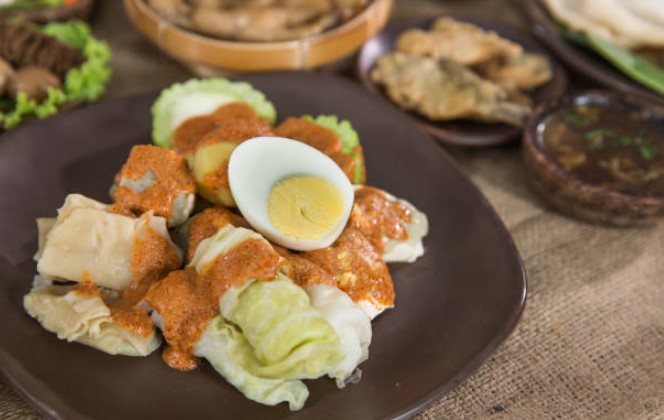
Siomay is a beloved classic Indonesian dish that has been around for generations. Its origin is traced back to Chinese immigrants in Indonesia, who brought with them their own version of steamed dumplings called shaomai. Over time, the dish evolved to incorporate local ingredients and spices, resulting in the delicious and unique taste of siomay that we know today.
Siomay has become a staple food in Indonesia, particularly in the capital city of Jakarta, where it is commonly sold as a street food snack. It is often enjoyed as a light meal or afternoon snack and can be found at food carts and small stalls on practically every street corner.
Ingredients: What Makes Siomay So Delicious?
Siomay is made from a combination of various ingredients, including fish, shrimp, and tapioca flour. The mixture is then combined with various spices such as garlic, ginger, and shallots, which give the dish its distinct flavor. Some recipes also include vegetables such as cabbage, carrots, and beansprouts, which add texture and nutrition to the dish.
To prepare siomay, the ingredients are ground together and formed into small balls or patties, which are then steamed until cooked through. The result is a soft and juicy texture that is both flavorful and satisfying.
The Siomay Assembly: How to Prepare Siomay at Home
To assemble siomay at home, you will need to start by preparing the filling. This can be done by grinding together fish, shrimp, and other ingredients in a food processor until they form a smooth paste. The mixture is then shaped into small balls or patties and placed onto a piece of lettuce.
Next, the siomay is steamed for around 15-20 minutes until cooked through. Once done, it is served with a variety of toppings such as peanuts, fried shallots, and a special siomay sauce (more on that later).
Siomay Sauce: The Perfect Topping for This Classic Dish
Siomay sauce is an essential part of enjoying this classic dish. It is a delicious combination of sweet, sour, and spicy flavors that perfectly complements the siomay. The sauce is made from a mixture of sweet soy sauce, lime juice, chili, and garlic, which are combined to create a thick and flavorful sauce.
To prepare the sauce, simply mix all the ingredients together in a bowl and stir until well combined. The sauce can be adjusted to taste, with more or less chili depending on your preferred level of spiciness.
Eating Siomay: How to Enjoy This Traditional Snack
Siomay is traditionally enjoyed as a snack or light meal, either by itself or with rice cakes. It is typically served with a variety of toppings such as peanuts, fried shallots, and of course, siomay sauce. To eat siomay, simply dip it into the sauce, add your preferred toppings, and enjoy!
The Health Benefits of Siomay: A Nutritious Delight
Siomay is not only delicious but also has several health benefits. It is a good source of protein, vitamins, and minerals, particularly if prepared with a variety of vegetables. The steaming process also helps retain the nutrients in the ingredients, making siomay a healthy and nutritious snack option.
Siomay Around the World: Popular Variations
While siomay is a traditional Indonesian dish, it has also become popular in other parts of the world, particularly in Southeast Asia. In Malaysia, it is known as “siew mai” and is often served with chili sauce. In the Philippines, it is called “shumai” and is served with a garlic and vinegar sauce.
Siomay as Street Food: A Culinary Adventure
One of the best ways to experience siomay is by trying it as a street food snack. In Jakarta, siomay carts can be found on practically every street corner, offering a delicious and affordable snack on the go. Trying siomay from different vendors can be a fun culinary adventure, as each vendor may have their own unique twist on the classic dish.
Siomay in Indonesian Culture: A Symbol of Unity
Siomay is not just a popular food in Indonesia, but it is also a symbol of unity among its diverse population. As siomay has become a staple food across the country, it has brought people of different backgrounds and cultures together through their shared love of this delicious dish.
Conclusion: The Enduring Legacy of Siomay
Siomay has become an iconic dish in Indonesian cuisine, loved by locals and visitors alike. Its unique blend of flavors and textures, combined with its affordability and accessibility, has made it a staple food in the country. Whether enjoyed as a light snack or a casual meal, siomay remains a beloved dish that continues to endure as a timeless classic.



Facebook Comments