 John Myers

Introduction: The Rich and Diverse Flavors of Chinese Cuisine
Chinese cuisine is renowned for its rich and diverse flavors, which are the result of the country’s vast geography, history, and cultural heritage. From the sweet and sour dishes of Cantonese cuisine to the spicy and pungent flavors of Sichuan cuisine, each region of China has its own unique culinary traditions that reflect its local ingredients, climate, and customs. Chinese cuisine is also known for its emphasis on balance, harmony, and health, and its use of herbs, spices, and cooking techniques that have been refined over thousands of years.
The Five Flavors: Sweet, Sour, Bitter, Spicy, and Salty
Chinese cuisine is characterized by the “five flavors” which are sweet, sour, bitter, spicy, and salty. These flavors are used in different combinations and proportions to create a wide range of dishes that can be enjoyed alone or in combination with other foods. Sweetness is often achieved by using ingredients such as sugar, honey, or fruit juice, while sourness can be achieved by using vinegar, lemon, or sour fruits. Bitterness is found in herbs and vegetables such as bitter melon, while spiciness is achieved by using chili peppers, ginger, or Sichuan peppercorns. Saltiness is found in many dishes, and is often used to enhance the flavor of meat, fish, and vegetables.
The Regional Cuisine: From Cantonese to Sichuan
China has many distinct regional cuisines that are based on local ingredients, cooking techniques, and traditions. Cantonese cuisine, from the southern province of Guangdong, is known for its light and delicate flavors, and its emphasis on fresh seafood and vegetables. Sichuan cuisine, from the southwestern province of Sichuan, is famous for its spicy and pungent dishes, and its use of the numbing effect of Sichuan peppercorns. Other regional cuisines include Shanghainese cuisine, which is known for its sweet and savory flavors, and Hunanese cuisine, which is known for its bold and fiery flavors.
The Importance of Yin and Yang in Chinese Cooking
Chinese cuisine is based on the concept of Yin and Yang, which are opposing forces that represent balance and harmony in nature. Yin represents the cool and moist elements, while Yang represents the warm and dry elements. Chinese cooking seeks to achieve balance between these opposing forces by using ingredients and cooking techniques that complement each other. For example, a dish that is too spicy may be balanced by adding cooling ingredients such as cucumber or watermelon.
The Use of Herbs and Spices in Chinese Cuisine
Chinese cuisine is known for its use of herbs and spices, which are used to enhance flavor, aroma, and health benefits. Common herbs and spices include ginger, garlic, green onion, star anise, and cinnamon. Many Chinese dishes also include medicinal herbs and ingredients such as goji berries, ginseng, and dried mushrooms, which are believed to have health benefits such as boosting the immune system and improving digestion.
The Art of Dim Sum: A Bite-sized Delight
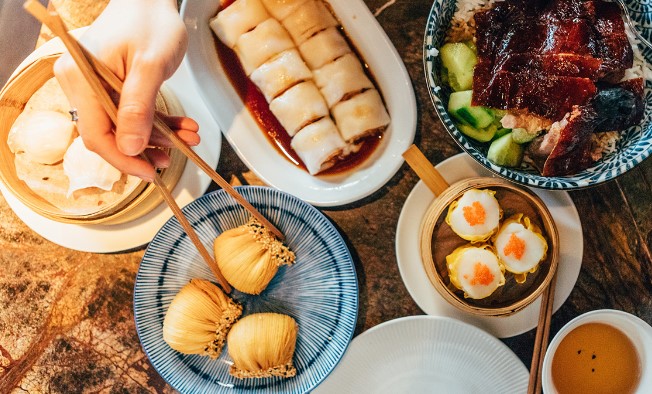
One of the most popular forms of Chinese cuisine is dim sum, which consists of a variety of small dishes that are served in bamboo steamers. Dim sum is often served for breakfast or brunch, and includes dishes such as steamed dumplings, buns, and rolls, as well as savory snacks and desserts. Dim sum is often accompanied by tea, and is enjoyed in a lively and social atmosphere.
The Health Benefits of Chinese Food
Chinese cuisine is known for its health benefits, which are derived from its use of fresh ingredients, herbs, and spices. Many Chinese dishes are low in fat and calories, and are high in fiber, vitamins, and minerals. Chinese cooking techniques such as steaming, stir-frying, and boiling also help to retain the nutrients and flavors of the ingredients.
Cooking Techniques and Tools in Chinese Cuisine
Chinese cuisine uses a variety of cooking techniques, such as stir-frying, steaming, boiling, and braising, which are designed to preserve the natural flavors and textures of the ingredients. Chinese cooking also uses a variety of tools such as woks, cleavers, and bamboo steamers, which are designed to make cooking efficient and easy.
The Role of Rice and Noodles in Chinese Cooking
Rice and noodles are staples of Chinese cuisine, and are often served with dishes such as stir-fries, soups, and stews. Rice is usually steamed and served plain, or flavored with ingredients such as soy sauce or sesame oil. Noodles are made from a variety of grains, such as wheat, rice, and mung bean, and are served in a variety of dishes such as noodle soups, stir-fries, and cold salads.
The Future of Chinese Cuisine: Fusion and Modernization
In recent years, Chinese cuisine has been influenced by global trends such as fusion and modernization. Many chefs are experimenting with new ingredients, techniques, and flavors, and are creating new dishes that combine traditional Chinese cooking with other culinary traditions. Chinese fast food chains and restaurants are also becoming more popular around the world, and are introducing new customers to the rich and diverse flavors of Chinese cuisine.


Facebook Comments