 John Myers
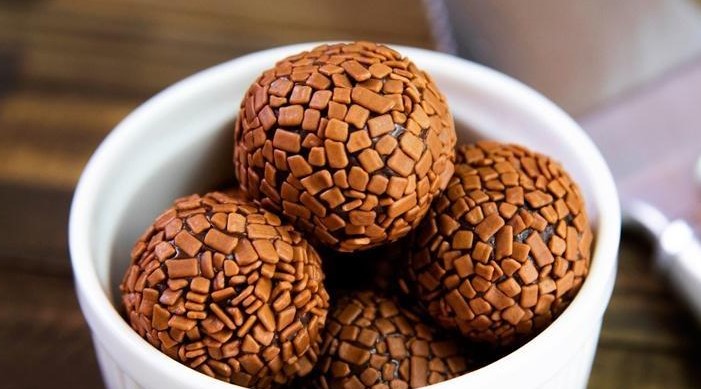
Introduction: A World of Chocolate Awaits in Brazil
Brazil is famous for its stunning beaches, vibrant culture and delicious cuisine. However, one of the country’s most overlooked treasures is its chocolate. With a rich history and unique flavor profile, Brazilian chocolate is a must-try for any chocolate lover. From bean to bar, the process of creating Brazilian chocolate is a labor of love that results in a delectable treat that has captured the hearts of people around the world.
The History of Chocolate in Brazil: A Rich Legacy
Chocolate has a long and fascinating history in Brazil. The first cacao trees were brought to the country in the 16th century by Portuguese colonizers. These trees were mainly grown in the northern state of Bahia, which remains one of the most important cacao-producing regions in Brazil today. Over the centuries, chocolate became an integral part of Brazilian culture, with unique twists and flavors that set it apart from other chocolate-producing nations. Brazilian chocolate is a testament to the country’s rich culinary heritage and its passion for creating delicious treats.
The Unique Flavors of Brazilian Cacao Beans
The flavor of Brazilian chocolate is unlike any other in the world. This is due, in part, to the unique terroir of the country’s cacao-growing regions. Brazilian cacao beans are known for their fruity, floral, and nutty notes, which vary depending on the region in which they are grown. For example, cacao beans from Bahia are rich and earthy, with hints of coffee and spices, while those from the Amazon are more fruit-forward, with notes of red berries and tropical fruit. This diversity of flavors makes Brazilian chocolate an exciting and dynamic taste experience.
The Art of Chocolate-Making in Brazil: Tradition Meets Innovation
The art of chocolate-making in Brazil is a blend of tradition and innovation. Many chocolatiers use traditional techniques such as stone grinding and hand tempering to create their chocolates, while others use modern machinery and equipment. The result is a unique blend of old and new that is reflected in the flavor and texture of Brazilian chocolate. Whether you prefer classic milk chocolate or adventurous flavors like chili or acai, you can find it all in Brazil.
The Role of Sustainability in Brazilian Chocolate Production
Sustainability is a top priority for many Brazilian chocolatiers. Cacao farming is a labor-intensive process that requires a great deal of care and attention. Many farmers in Brazil have adopted sustainable practices, such as organic farming and fair trade, to ensure that their cacao beans are produced in an ethical and environmentally responsible way. This commitment to sustainability helps to ensure that the future of Brazilian chocolate is bright and flavorful.
Bean to Bar: The Journey of Brazilian Chocolate
The process of creating Brazilian chocolate is a labor of love. From the careful selection of cacao beans to the precise roasting and grinding process, every step of the way is important in creating the perfect chocolate. Many chocolatiers in Brazil take a bean-to-bar approach, meaning that they control every aspect of the process from start to finish. This allows them to create chocolates that are unique and tailored to their specific tastes and preferences.
Brazilian Chocolate Varieties: From Milk to Dark to White
Brazilian chocolate comes in a variety of flavors and styles. From rich and creamy milk chocolate to intense and complex dark chocolate, there is something for every chocolate lover. White chocolate is also popular in Brazil, often flavored with fruits like passionfruit or guava. Many chocolatiers also create unique blends and flavors that reflect the diversity of Brazilian cuisine.
Pairing Brazilian Chocolate with Local Foods and Wines
Pairing Brazilian chocolate with local foods and wines is a delicious way to explore the flavors of the country. Many chocolatiers in Brazil create chocolates that are specifically designed to pair with local wines and dishes. For example, a rich and fruity chocolate might pair well with a bold red wine, while a spicy chocolate might complement a savory dish like feijoada, a traditional Brazilian bean stew.
Chocolate Tourism in Brazil: A Sweet Adventure
Chocolate tourism is a growing trend in Brazil. Many chocolatiers offer tours and tastings that allow visitors to explore the world of Brazilian chocolate. These tours often include visits to cacao plantations, chocolate factories, and tasting rooms where visitors can sample chocolates and learn about the history and culture of chocolate in Brazil.
The Future of Brazilian Chocolate: An Exciting Taste Journey Awaits
The future of Brazilian chocolate is bright and exciting. With a growing focus on sustainability and innovation, Brazilian chocolatiers are poised to create new and exciting flavors that reflect the country’s unique culinary heritage. Whether you are a chocolate lover or a foodie looking for something new and exciting to try, Brazilian chocolate is a sweet adventure that is definitely worth exploring.


Facebook Comments