 John Myers
Introduction: The Diversity of Indian Curry
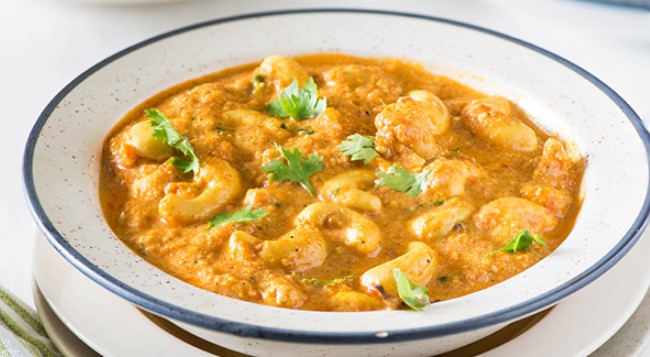
Indian cuisine is known for its rich and flavorful curries. With a history dating back thousands of years, the art of making curry has been perfected over generations. Indian curries are diverse and come in a range of flavors, ranging from creamy and mild to spicy and bold. The country’s vast geography and cultural diversity have given rise to a wide range of regional variations in curries, each with its own unique blend of spices and ingredients.
The Essential Ingredients of Indian Curry
While the exact ingredients used in Indian curry can vary, there are some key components that are essential to most curries. These include a blend of spices, such as turmeric, cumin, coriander, and chili powder, which are added to a base of onions, garlic, and ginger. Tomatoes are often added to provide acidity and sweetness, while coconut milk or cream is used to create a creamy texture. Depending on the recipe, meat, poultry, or vegetables may be added to the curry.
The Art of Spicing in Indian Cuisine
Spices play a crucial role in Indian cuisine, and curries are no exception. Spices are used to add depth, complexity, and heat to curries. The art of spicing involves using the right combination of spices in the right amounts to create a harmonious balance of flavors. The way in which the spices are roasted, ground, and added to the curry can also impact the final flavor. Chefs often take years to perfect their spice blends, and each region in India has its own distinct spice mix.
Regional Variations of Indian Curry
India is a vast country with a rich culinary history, and as a result, there are many regional variations of curry. In the north, curries tend to be milder and creamier, while in the south, they are spicier and more tangy. Coastal regions often use coconut milk or seafood in their curries, while mountainous regions favor hearty meat-based curries. Each region also has its own unique spice blend, creating a rich tapestry of flavors and aromas.
The Science of Balancing Flavors in Curry
Indian chefs are masters at balancing flavors in curries. The goal is to achieve a harmonious blend of sweet, sour, salty, and spicy flavors. Achieving this balance requires a deep understanding of how each ingredient interacts with the others, as well as the ability to adjust the seasoning as needed. Chefs must also consider the heat level of the curry, as too much heat can overwhelm the other flavors.
The Role of Yogurt in Indian Curry
Yogurt is a common ingredient in Indian curries and plays a vital role in balancing the flavors. Yogurt provides a creamy texture and helps to cool down the heat of the spices. It also adds a tangy flavor, which complements the sweetness of tomatoes and onions. Yogurt is often added at the end of the cooking process to prevent curdling.
Vegetarian and Non-Vegetarian Curry Dishes
Curries can be made with a variety of ingredients, including meat, poultry, seafood, and vegetables. Vegetarian curries are particularly popular in India, where many people follow a vegetarian diet. Ingredients like lentils, chickpeas, and paneer (a type of cheese) are often used in vegetarian curries. Non-vegetarian curries may include chicken, lamb, or fish. The type of protein used can impact the final flavor of the curry.
Popular Curry Recipes to Try at Home
There are many delicious curry recipes that can be made at home. Some popular options include chicken tikka masala, lamb vindaloo, and chana masala (a vegetarian chickpea curry). These recipes can vary in terms of heat level, so it’s important to adjust the spices to your liking. Many recipes also call for a long cooking time, which allows the flavors to develop fully.
Pairing Curry with Rice, Bread, and More
Curry is often served with rice or bread, such as naan or roti. Rice can be plain or flavored with saffron, while bread can be brushed with butter or garlic for added flavor. Other popular accompaniments to curry include raita (a yogurt-based sauce), pickles, and chutneys.
Conclusion: Exploring the Richness of Indian Curry
Indian curry is a rich and diverse culinary tradition that has captivated taste buds for thousands of years. Whether you prefer vegetarian or non-vegetarian curries, mild or spicy, there is a curry recipe out there to suit your tastes. With its unique blend of spices, vegetables, and proteins, Indian curry offers a world of flavor waiting to be explored.



Facebook Comments