 John Myers
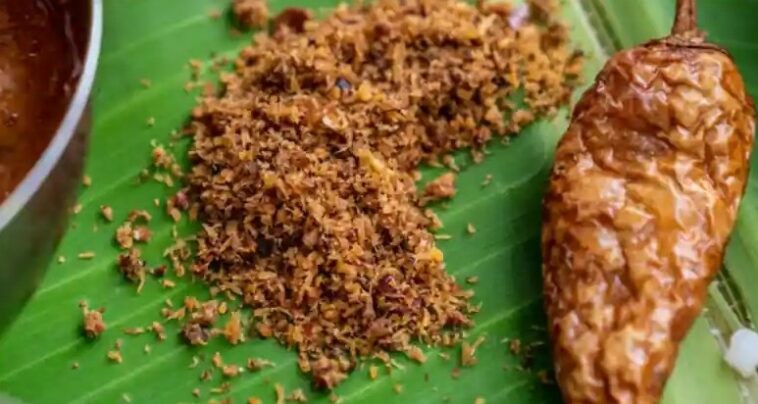
Introduction: A Journey Through Indian Cuisine
Indian cuisine is known for its rich flavors and aromatic spices. It is a journey of the senses that captivates the taste buds of food enthusiasts all over the world. The diversity of Indian cuisine is a reflection of the country’s cultural and geographical richness, with each region having its own unique dishes and culinary traditions.
Indian food owes its complexity of flavors to the use of a vast array of spices, which are an integral part of the cuisine. These spices not only add flavor but also have numerous health benefits. From turmeric to cumin, coriander to cardamom, mustard seeds to fenugreek, each spice has a distinct taste and aroma that contributes to the complexity of Indian dishes.
The Spices that Define Indian Cuisine
The use of spices is what sets Indian cuisine apart from other cuisines. Indian dishes are known for their bold and complex flavors, which are achieved through the use of a variety of spices. The following are some of the most commonly used spices in Indian cooking:
Turmeric: The Golden Spice of Indian Cooking
Turmeric is a bright yellow spice that is commonly used in Indian cuisine. It has a warm, bitter taste and a mild fragrance. Turmeric is known for its anti-inflammatory and antioxidant properties and is used in various Indian dishes like curries, rice, and vegetables.
Cumin: The Earthy Flavor of Indian Dishes
Cumin is an earthy and warm spice that is widely used in Indian dishes. It has a strong aroma and a slightly bitter taste. Cumin is known for its digestive properties and is used in various Indian dishes like curries, soups, and stews.
Coriander: The Essential Flavor of Indian Foods
Coriander is a versatile spice that has a fresh and citrusy flavor. It is commonly used in Indian dishes like curries, chutneys, and rice dishes. Coriander is known for its digestive properties and also has antioxidant and anti-inflammatory properties.
Cardamom: The Sweet and Spicy Aroma of Indian Cuisine
Cardamom is a sweet and spicy spice that has a strong aroma. It is commonly used in Indian desserts, beverages, and curries. Cardamom is known for its digestive properties and also has antibacterial and anti-inflammatory properties.
Mustard Seeds: The Heat of Indian Cooking
Mustard seeds are small, black or brown seeds that are commonly used in Indian dishes. They have a pungent and slightly bitter taste and are used in various Indian dishes like pickles, curries, and vegetables. Mustard seeds are known for their antibacterial and anti-inflammatory properties.
Fenugreek: The Bitter and Nutty Flavor of Indian Foods
Fenugreek is a bitter and nutty spice that is commonly used in Indian dishes. It has a strong aroma and is used in various Indian dishes like curries, pickles, and chutneys. Fenugreek is known for its anti-inflammatory and antioxidant properties.
Garam Masala: The Secret Blend of Indian Spices
Garam Masala is a blend of various spices that is commonly used in Indian cooking. It has a strong aroma and a hot and sweet flavor. Garam Masala is used in various Indian dishes like curries, stews, and rice dishes.
Conclusion: The Endless Possibilities of Indian Cooking
The use of spices is an essential part of Indian cuisine. It is what makes Indian dishes so unique and flavorful. The combination of these spices creates a symphony of flavors that is a delight to the senses. With so many different spices to choose from, the possibilities of Indian cooking are truly endless. Whether you are a seasoned cook or just starting, experimenting with Indian spices will take your culinary skills to the next level.


Facebook Comments