 John Myers
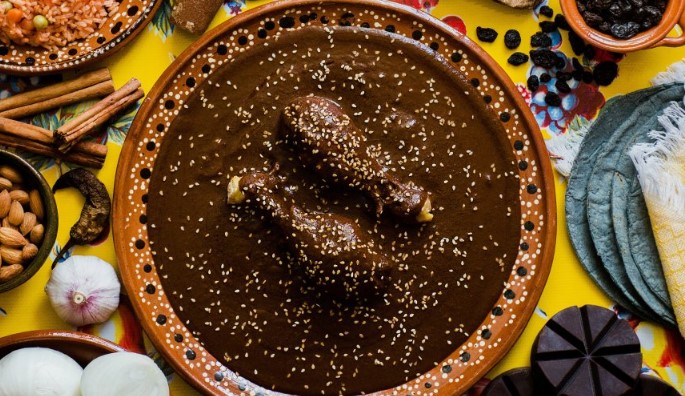
Introduction to Black Mole
Black mole, also known as mole negro, is a rich and complex sauce that is a staple in Mexican cuisine. It is a dark, velvety sauce made from more than 20 ingredients, including chili peppers, chocolate, nuts, and spices. Black mole is traditionally served over chicken or turkey, but it can also be used to flavor other meats or vegetables.
The Origins of Mole in Mexican Cuisine
Mole has been a part of Mexican cuisine for centuries, and its exact origins are uncertain. Some historians believe that mole can be traced back to pre-Hispanic times, while others believe that it was created during the colonial period, when Spanish ingredients and cooking techniques were combined with indigenous ingredients and methods. Regardless of its origins, mole has become an integral part of Mexican cuisine and culture, and it is often served on special occasions and at celebrations.
The History of Black Mole
Black mole is one of the most well-known and beloved types of mole in Mexico. Its history can be traced back to the state of Oaxaca, where it is considered a regional specialty. Legend has it that black mole was created by nuns in the 16th century, who combined spices, chocolate, and chili peppers to make a sauce that would impress the archbishop. The sauce was so delicious that it became a staple in Mexican cuisine and is now enjoyed throughout the country.
The Ingredients in Black Mole
Black mole is made from a variety of ingredients, including chili peppers, chocolate, nuts, seeds, spices, and sometimes even fruit. The exact combination and proportion of ingredients varies depending on the recipe and the region where it is made. Some of the most common ingredients in black mole include ancho and pasilla chili peppers, sesame seeds, almonds, raisins, and cloves.
The Importance of Black Mole in Mexican Culture
Black mole is more than just a sauce—it is a symbol of Mexican culture and tradition. It is often served at special occasions and celebrations, such as weddings, christenings, and the Day of the Dead. Black mole is also an important part of Mexican cuisine, and it is often included in cookbooks and culinary competitions.
Black Mole and Its Variations Across Mexico
While black mole is most closely associated with Oaxaca, it is also made in other regions of Mexico, each with their own unique variations. For example, in Puebla, black mole is made with more than 30 ingredients and is usually served over chicken or turkey. In Guerrero, black mole is made with peanuts and is often served over fish. Each region’s version of black mole is a reflection of the local ingredients and culinary traditions.
The Significance of Black Mole in Celebrations
Black mole is often served at celebrations and special occasions in Mexico, such as weddings, quinceañeras, and the Day of the Dead. Its rich flavor and complexity make it a perfect choice for these events, as it can be used to flavor a variety of dishes. For example, it is often served over chicken or turkey, but it can also be used to flavor tamales, enchiladas, and other traditional Mexican dishes.
The Preparation of Black Mole
Making black mole is a labor-intensive process that involves roasting and grinding ingredients, simmering the sauce for hours, and then straining it to remove any solids. The exact preparation method varies depending on the recipe and the region where it is made. Some recipes call for grinding the ingredients by hand, while others use a food processor or blender.
The Health Benefits of Black Mole
Black mole contains a variety of ingredients that are rich in nutrients, such as protein, fiber, and antioxidants. Chili peppers, in particular, are a good source of vitamin C and can help boost the immune system. However, it is important to note that black mole is also high in calories and fat, so it should be enjoyed in moderation as part of a balanced diet.
Conclusion: The Enduring Legacy of Black Mole
Black mole is a beloved part of Mexican cuisine and culture that has been enjoyed for centuries. Its rich flavor and complex ingredients make it a symbol of tradition and celebration. Whether enjoyed at a special occasion or as part of a daily meal, black mole is a testament to the enduring legacy of Mexican cuisine.



Facebook Comments