 John Myers

More and more people are trying out vegan recipes and dishes. Many even change their diet completely and avoid animal products altogether. What are the benefits of a vegan diet? And how does the change in diet work?
The vegan variety from ChefReader offers everything your heart desires
Whether schnitzel, burger, or milk – each of us has our own favorite food. And for all of these, there are now plant-based alternatives that taste great and make a positive contribution to climate protection. Because the production of plant products produces fewer greenhouse gases than animal products. Discover the vegan variety from ChefReader and be inspired by our plant-based recipe ideas.
Vegan – what is that actually?
Anyone who wants to eat vegan does without all animal products. These include, for example:
- meat, fish, and eggs
- Cow’s milk, cream, yoghurt, quark, etc.
- Cheese
- honey
- milk ice cream
- Chocolate types with milk products (whole milk, white chocolate, but also some dark chocolate types)
- Gummy bears and wine gums with animal gelatine and/or skimmed milk powder and honey
- Nut nougat or chocolate spreads with milk products
Some vegans also do without animal components in their clothing (e.g. wool, leather, or silk). Very different motivations can lead to the decision for a vegan lifestyle. Animal welfare is the most important thing for many vegans, while others also see the ecological benefits of a vegan diet.
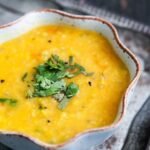
In order to prepare vegan dishes, for example, our vegan potato soup, there are now suitable substitute products such as coconut-based plant-based milk substitutes, soybean schnitzel etc. In addition, ingredients of animal origin such as eggs can be easily substituted when baking. Our recipes for vegan cakes show how well this works.
For many classic recipes such as ratatouille or hummus, you don’t even need substitute products because they are already vegan. Others require a few substitutes, like our oven-baked chicory. So – just try it out and cook and enjoy without any animal products!
Trying out a vegan diet: This is how the transition works
Going vegan is not that difficult. It is best to proceed step by step, for example like this:
Before the how comes the why
Find out all you need to know and think about why you want to go vegan. Once you understand what drives you to go vegan, you’ll find it easier to make the transition. Be it that animal welfare is important to you and you therefore no longer want to eat animal products. Or maybe because the ecological aspect convinces you.
Take stock
Which products can you do without right away, and which ones do you find it harder to do without? Don’t be too strict on yourself. First, leave out the products that are not so important to you. In this way, you can gradually get used to the changeover. And, for example, first remove these products from the shopping list.
First vegetarian
Part of this inventory can be that you only give up meat and fish for the time being, but keep dairy products and eggs on your menu. So you already have a small sense of achievement if you manage to stick to this new vegetarian diet plan.
Introduce vegan meals gradually
Going vegan takes a little preparation and practice in preparing new foods. Make it easy for yourself and don’t overwhelm yourself with a complete changeover. For example, you can change breakfast first. Find milk substitutes that you like, such as those made from oats or soy. Lunch and dinner only come after that and you can, for example, prepare vegan Königsberger Klopse.
Set achievable goals
A challenge like the Veganuary helps to really implement the vegan diet. Eating a vegan diet for a month is a goal you can achieve. That way you don’t lose motivation in between. And it’s okay to go back to the vegetarian diet afterwards and try the vegan diet again later.
Substitute products can help
For example, if you love chocolate ice cream, it can help if you find a delicious vegan alternative to ice cream. With the right substitute products for your favorite ingredients, it is easier for you to do without the animal “original”. A pizza does not have to be topped with Parmesan: Instead, you can use our recipe to make vegan mozzarella yourself and use it to crown your pizza. Milk shakes can easily be mixed with milk alternatives. Oat, soy or coconut drinks are ideal here.
Make a seven-day plan
With our weekly plan for the veganuary, the transition to a vegan diet is much easier. You can plan your purchases in advance and have inspiration for delicious vegan dishes for breakfast, lunch and dinner every day. Of course, you can also use our plan outside of the Veganuary!
Don’t be too strict
Don’t be so hard on yourself. There will surely be moments when you want to give in to cravings for cheese or when you are invited only to non-vegan pastries on the table. Breaking out of the vegan diet is no big deal.
That is why a vegan diet is more sustainable
For many vegans, the focus is on the ecological aspect when deciding on a purely plant-based diet. In fact, a vegan diet has a positive effect on the environment: The climate crisis was caused by the release of too many greenhouse gases and is further fueled by this. In the production of purely plant-based foods such as soy or lupins, significantly fewer greenhouse gases such as carbon monoxide are released than in the production of animal-based foods. Here’s how you can help reduce your carbon footprint with a vegan diet. In addition, the cultivation of plant-based foods requires less arable land than would be needed for livestock farming, for example. So feel free to try our vegan low-carb recipes if you want to avoid carbohydrates in order to lose weight. Accordingly, it can also be worth preparing traditional drinks without animal products. So try our vegan eggnog, for example.
How do I get enough nutrients on a vegan diet?
If you do without all animal foods, some nutrients can easily be neglected. Good knowledge of vegan nutrition and high-quality vegan recipes is therefore important. There are many vegan protein sources as an alternative to meat, fish, and eggs. These are about:
- nuts
- Legumes (e.g. chickpeas for vegan falafel)
- oatmeal or
- high-protein flours
In combination with grain products or potatoes, the protein quality can be increased. This gives the dishes a higher biological value. Certain minerals and vitamins, which are increasingly found in animal foods, also pose challenges. There is a risk that vegans will not consume enough of these necessary nutrients. It is mainly about:
- iodine
- selenium
- zinc
- calcium
- Omega-3 fatty acids
Some B vitamins also fall into this category. A conscientious selection of suitable vegan recipes can help to master them and, for example, to avoid iron deficiency. The food pyramid makes it clear what the relationship between the individual food groups in a vegan diet should be. Our graphic for the mix plate with a vegan diet shows you the composition of the food you should pay attention to every day.
These foods contain important nutrients for vegans
Use our list to get a brief overview of how you can consume the most important nutrients through plant-based substitutes:
- Above all, the sufficient intake of vitamin B12 through food is a problem in vegan nutrition.
- Vegetables fermented with lactic acid (e.g. sauerkraut) contain vitamin B12, but unfortunately only in small amounts. Supplements or certain toothpastes can help here.
- Iodine can be easily ingested through vegan recipes using seaweed leaves.
- Selenium is found in nuts (e.g. Brazil nuts) and zinc in whole grain products.
- Calcium can be found in sesame, sesame butter (tahini), mineral water and some vegetables (e.g. kale).
- Fast meals with soybeans can be consumed for iron absorption. Whole grain products consumed together with vitamin C are also beneficial here.
- Vegans can find omega-3 fatty acids in linseed oil, for example.
- B vitamins can be ingested primarily through vegan recipes with nuts. Nut butter, almond flour, and lupine proteins are also ideal ingredients for vegan recipes as part of a low-carb diet.
Do you prefer natural foods? Find out more about the raw food diet.

Facebook Comments