 John Myers
Introduction: Namibia’s Diverse Ethnic Cuisine
Namibia is a country rich in cultural diversity, with 13 distinct ethnic groups each with their own unique customs and traditions. This diversity is reflected in the country’s cuisine, which features a wide variety of dishes that vary in flavor, ingredients, and preparation methods. Namibian cuisine is heavily influenced by the country’s natural resources, with many traditional dishes featuring wild game, fish, and indigenous vegetables.
Oshiwambo: Traditional Food of the Largest Ethnic Group
The Oshiwambo people are the largest ethnic group in Namibia and their traditional cuisine is characterized by the use of maize meal, millet, sorghum, and meat. A popular Oshiwambo dish is oshifima, a thick porridge made from maize meal that is often served with a meat or vegetable stew. Another traditional dish is omajowa, a stew made from wild spinach and beef, which is typically eaten with mahangu, a type of millet.
Herero: Meat and Milk Dishes of the Cattle Herders
The Herero people are known for their cattle herding, and as such, their cuisine relies heavily on meat and milk products. A popular Herero dish is the smoked beef, which is marinated in a mixture of spices and then hung to dry over a fire. Another traditional Herero dish is omutete, a sour milk that is often used in cooking or consumed on its own.
Damara: Unique Recipes featuring Wild Game and Roots
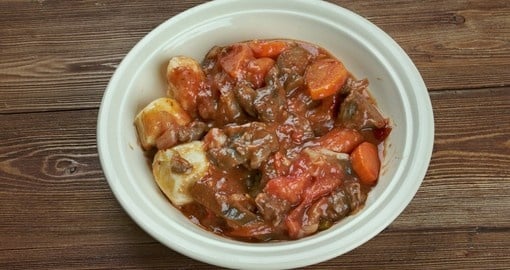
The Damara people are known for their unique recipes that feature wild game and roots. One popular Damara dish is venison stew, which is made using game meat such as kudu, springbok, or giraffe, and is often served with roots such as sweet potato or cassava. Another traditional Damara dish is oshikundu, a traditional drink made from mahangu that is fermented and mixed with sour milk.
Nama: Indigenous Foods with a Touch of Colonial Influence
The Nama people have a rich history of food culture that blends indigenous foods with colonial influences. A popular Nama dish is kapana, grilled beef that is seasoned with a mixture of salt, chili, and coriander. Another traditional Nama dish is melktert, a type of milk tart that is popular in South Africa and Namibia, and is made using a sweet pastry crust and a filling of milk, sugar, and eggs.
Caprivian: Fish and River Vegetables from the Zambezi Region
The Caprivian people live in the Zambezi region of Namibia, where fish and river vegetables are abundant. A traditional Caprivian dish is mashi, a stew made from fish and mixed vegetables that is typically served with a side of rice or oshifima. Another popular Caprivian dish is samp and beans, a dish made from maize kernels and beans that is often served with a variety of meats, including fish and beef.
In conclusion, Namibia’s diverse ethnic cuisine is a true reflection of the country’s cultural richness. From the Oshiwambo’s traditional oshifima to the Caprivian’s mashi, the country’s cuisine is a delicious exploration of its history and natural resources.

Facebook Comments