 John Myers
Introduction: Bolivia’s regional culinary diversity
Bolivia is a country known for its cultural and geographic diversity, which is also reflected in its cuisine. The traditional dishes from different regions of Bolivia are as varied and unique as the landscapes and people who inhabit them. From the high Andes to the tropical lowlands, each region has a distinct culinary tradition that showcases local ingredients, flavors, and techniques. Through these culinary traditions, Bolivians express their history, identity, and connection to the land.
Andean region: traditional dishes and ingredients
The Andean region of Bolivia is characterized by high altitude, harsh climate, and a strong indigenous presence. The traditional dishes from this region reflect these features, using native ingredients such as quinoa, potatoes, corn, and llama meat. Some of the most popular Andean dishes include papa rellena (stuffed potatoes), chairo (a soup made with freeze-dried potatoes and chuño), ají de fideo (a spicy noodle soup), and sajta (a stew with meat, potatoes, and vegetables). These dishes are often accompanied by chuño (freeze-dried potatoes), llajua (a spicy sauce made with tomatoes and chilies), and mocochinchi (a cold drink made with dried peaches).
Lowlands region: flavors from the tropical forest
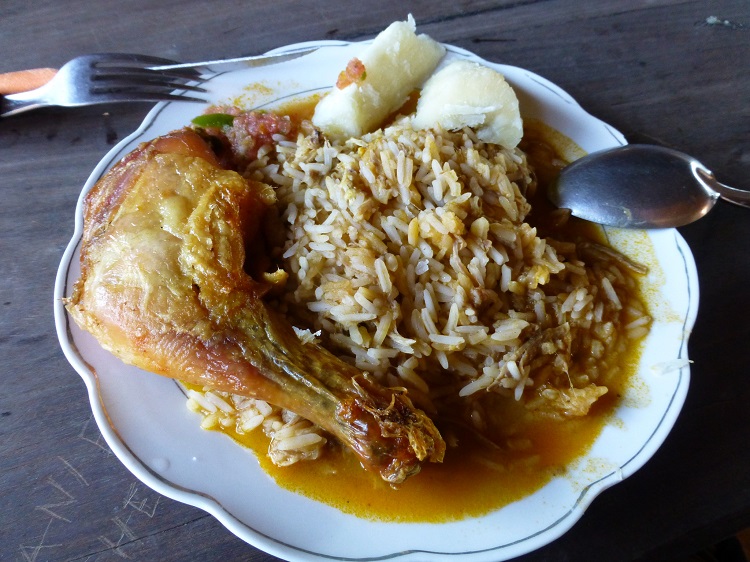
The lowlands region of Bolivia is a vast area that covers the Amazon basin and the Chaco. The cuisine of this region is influenced by the tropical forest, the riverine culture, and the indigenous groups that inhabit the area. The main ingredients used in lowland dishes are yuca, banana, fish, and wild game. Some of the most popular dishes from this region are majadito (a rice and meat dish), sopa de maní (a peanut soup), tacacho (fried mashed green bananas), and pacumutu (a smoked fish dish). The lowlands region is also famous for its fruit juices, such as maracuyá (passion fruit), mango, and guayaba.



Facebook Comments