 John Myers
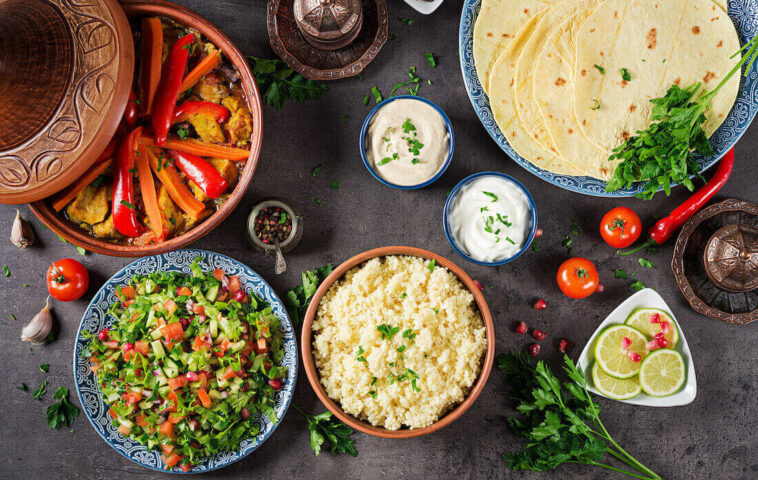
Introduction to Moroccan cuisine
Moroccan cuisine is a delicious blend of flavors, spices, and cooking techniques from various cultures and regions. The country’s location on the crossroads of Africa, Europe, and the Middle East has influenced the Moroccan cuisine for centuries. Moroccan dishes are known for their rich, complex, and aromatic flavors, which are achieved through the use of spices, herbs, and marinades. Additionally, Moroccan cuisine is a reflection of the country’s diverse history, culture, and geography, which makes it a fascinating and unique culinary experience.
The role of spices in Moroccan dishes
Spices are an essential part of Moroccan cuisine, and they are used in almost every dish. Moroccan spices are a blend of sweet, savory, and earthy flavors, which add depth, complexity, and warmth to the dishes. The most commonly used spices in Moroccan cuisine include cumin, cinnamon, ginger, paprika, saffron, and turmeric. These spices are used to flavor the meat, fish, vegetables, and grains, and they are often combined with herbs such as parsley, cilantro, and mint to create a balance of flavors.
Tajine: the staple dish of Moroccan cuisine
Tajine is the quintessential dish of Moroccan cuisine, and it is served in almost every restaurant and home across the country. Tajine is a slow-cooked stew made with meat, chicken, fish, or vegetables, which are flavored with spices, preserved lemon, and olives. The dish is named after the earthenware pot in which it is cooked, which has a conical shape that helps to retain the moisture and flavors of the ingredients. Tajine is typically served with bread, couscous, or rice, and it is a hearty and flavorful dish that is perfect for cold winter nights.
Couscous: the versatile grain in Moroccan cuisine
Couscous is a staple grain in Moroccan cuisine, and it is a versatile ingredient that can be used in a variety of dishes. Couscous is made from semolina flour, which is steamed and then seasoned with spices, herbs, and vegetables. It is often served with meat, chicken, or fish, and it can also be used in salads and stews. Couscous is a light and fluffy grain that is easy to cook, and it is a great alternative to rice or pasta.
Pastilla: a savory and sweet pastry in Moroccan cuisine
Pastilla is a unique and delicious pastry that is served as a main course or a dessert in Moroccan cuisine. Pastilla is a savory and sweet dish that is made with layers of thin pastry sheets, which are filled with a mixture of meat, chicken, or fish, and flavored with spices, almonds, and cinnamon. The dish is then baked until the pastry is crispy and golden, and it is topped with powdered sugar and cinnamon. Pastilla is a decadent and flavorful dish that is perfect for special occasions and holidays.
Harira: the hearty soup for Ramadan in Moroccan cuisine
Harira is a hearty and nutritious soup that is traditionally served during Ramadan in Moroccan cuisine. Harira is made with a combination of lentils, chickpeas, tomatoes, and spices, and it is often flavored with lamb or beef. The soup is served with dates and bread, and it is a perfect meal to break the fast during Ramadan. Harira is a comforting and warming soup that is perfect for cold winter days, and it is a staple dish in Moroccan cuisine.


Facebook Comments