 John Myers
Introduction: Understanding Indonesian Cuisine
Indonesian cuisine is a diverse and flavorful cuisine that is influenced by its geography, culture, history, and colonial past. Indonesia, consisting of more than 17,000 islands, is home to hundreds of ethnic groups with their own culinary traditions. The cuisine is characterized by the use of aromatic spices, herbs, and ingredients such as coconut milk, peanuts, and soy sauce. The dishes range from fiery hot to mild, sweet to sour, and spicy to savory. Understanding the characteristics of Indonesian cuisine is an essential step in appreciating and enjoying the culinary delights of this Southeast Asian country.
Influential Factors in Indonesian Cuisine
Indonesian cuisine is influenced by various factors that have shaped its culinary landscape. The country’s proximity to the equator has given rise to a rich variety of tropical fruits, vegetables, and spices that are used in many Indonesian dishes. The cuisine is also influenced by the country’s history, with Dutch, Chinese, Indian, and Arab traders and colonizers leaving their marks on the cuisine. The Muslim-majority culture has also influenced the cuisine, with halal food requirements and Ramadan fasting practices shaping the culinary traditions. Moreover, the country’s diverse geography and ethnic groups have contributed to the regional differences and unique flavors of Indonesian cuisine.
Key Ingredients in Indonesian Cooking
Indonesian cuisine is known for its use of key ingredients such as rice, noodles, seafood, meat, and vegetables. Rice, as the staple food, is consumed in various forms such as nasi goreng (fried rice), nasi kuning (yellow rice), and nasi uduk (coconut rice). Seafood is a popular ingredient in coastal areas, with dishes such as ikan bakar (grilled fish) and gado-gado (salad with peanut sauce) being common. Meat is also widely consumed, with chicken, beef, and goat being the most popular. Vegetables such as cassava leaves, jackfruit, and young bamboo shoots are used in many dishes.
Spices & Flavorings in Indonesian Dishes
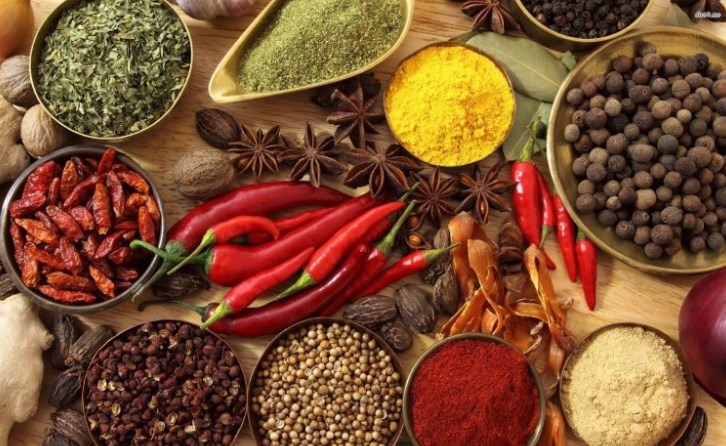
Indonesian cuisine is known for its use of aromatic spices and flavorings such as coriander, cumin, turmeric, lemongrass, galangal, and chili peppers. These spices are used to add depth and complexity of flavor to dishes such as rendang (spicy beef stew), sate (grilled skewered meat), and gulai (curry). Coconut milk is also a key ingredient used to add richness and creaminess to many Indonesian dishes. Other flavorings such as tamarind, lime juice, and kecap manis (sweet soy sauce) are also commonly used.
Regional Differences in Indonesian Cuisine
Indonesian cuisine is diverse and varies from region to region. The cuisine can be broadly categorized into six regions: Sumatra, Java, Bali, Sulawesi, Kalimantan, and Papua. Each region has its own unique culinary traditions and flavors. For example, Sumatran cuisine is known for its bold and spicy flavors, while Javanese cuisine is characterized by its sweet and savory taste. Balinese cuisine is influenced by Hindu traditions and uses a lot of spices and herbs, while Sulawesi cuisine is known for its seafood dishes.
Popular Indonesian Dishes & Snacks
Indonesian cuisine has a wide variety of dishes and snacks that are popular both locally and internationally. Nasi goreng (fried rice), satay (grilled skewered meat), rendang (spicy beef stew), and gado-gado (salad with peanut sauce) are some of the popular dishes. Snacks such as pisang goreng (fried bananas), martabak (stuffed pancake), and onde-onde (glutinous rice balls) are also widely consumed.
Dining Customs in Indonesian Culture
Indonesian culture places a significant emphasis on communal dining and hospitality. Sharing dishes and eating together is a common practice in Indonesian households and restaurants. It is also common to eat with the right hand and use a spoon or fork to help with rice and soup. The dining table is often laid out with a variety of dishes, and it is customary to offer guests second or third helpings.
Conclusion: Appreciating Indonesian Cuisine
Indonesian cuisine is a delicious and flavorful cuisine that is influenced by various factors such as geography, culture, history, and religion. The use of aromatic spices, herbs, and key ingredients such as rice, seafood, and meat make Indonesian dishes stand out. The regional differences and unique flavors of Indonesian cuisine make it a fascinating and diverse culinary experience. By understanding the characteristics of Indonesian cuisine and dining customs, one can fully appreciate and enjoy the culinary delights of this Southeast Asian country.


Facebook Comments