 John Myers
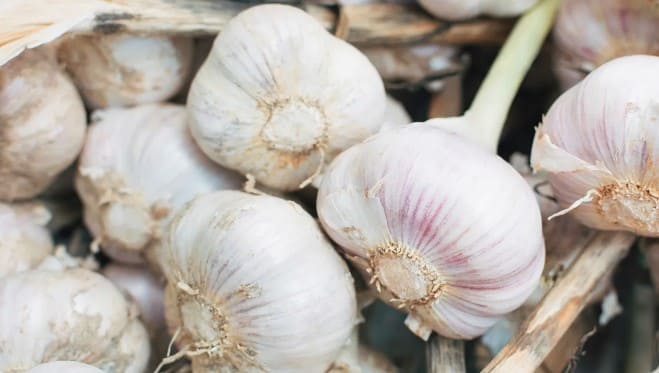
Introduction: What is garlic?
Garlic is a member of the onion family and has been used for its medicinal properties for centuries. This bulbous plant is widely used in cooking for its strong flavor and aroma. It is also known for its numerous health benefits. Garlic has a complex composition of vitamins, minerals, and other nutrients, including allicin, a compound responsible for many of its health benefits.
Nutritional value of garlic
Garlic is a low-calorie food, with only 42 calories per 100 grams. It is rich in nutrients such as vitamins B6 and C, manganese, selenium, and fiber. Garlic also contains sulfur compounds that are known to have potent health benefits. One of the most important compounds found in garlic is allicin, which is formed when garlic is crushed or chopped.
Garlic and Heart Health
Garlic is known for its cardiovascular benefits. Studies have shown that garlic can help reduce cholesterol levels and lower blood pressure, which in turn can reduce the risk of heart disease. Allicin, the compound found in garlic, is believed to be responsible for these effects. Garlic can also help reduce inflammation in the body, which is a major contributor to cardiovascular disease.
Garlic and Immune System
Garlic is known for its immune-boosting properties. It contains compounds that can stimulate the immune system and increase the production of white blood cells, which are responsible for fighting off infections. Garlic also has antiviral and antibacterial properties, which can help prevent and treat infections.
Garlic and Brain Health
Garlic has been shown to have beneficial effects on brain function. Studies have found that garlic can improve cognitive function and memory, as well as reduce the risk of Alzheimer’s disease and dementia. Garlic contains antioxidants that can protect the brain from oxidative damage, which is a major contributor to these conditions.
Garlic and Cancer Prevention
Garlic has been shown to have cancer-fighting properties. Studies have found that garlic can reduce the risk of certain types of cancer, such as stomach and colon cancer. Garlic contains compounds that can help prevent cancer cells from growing and spreading, as well as boost the immune system to fight off cancer cells.
Garlic and Digestive Health
Garlic can also have beneficial effects on digestive health. It can help reduce inflammation in the gut, which can improve digestive function and reduce the risk of digestive disorders such as irritable bowel syndrome (IBS). Garlic can also help reduce the risk of certain types of cancer, such as colon cancer, which is often linked to poor digestive health.
How to Use Garlic in Cooking for Health Benefits
Garlic can be used in a variety of dishes to add flavor and provide health benefits. It can be used in soups, stews, sauces, and marinades. To maximize the health benefits of garlic, it is best to crush or chop the garlic before cooking, as this will release the allicin compound. Garlic can also be consumed raw, but it is important to note that raw garlic can be quite strong and may cause digestive discomfort in some people. Overall, adding garlic to your diet is a simple and delicious way to improve your health.



Facebook Comments