 John Myers
Introduction to Cameroonian Cuisine
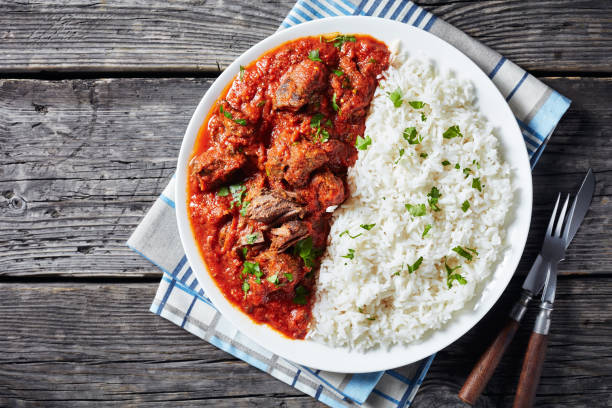
Cameroonian cuisine is a vibrant and diverse blend of flavors, ingredients, and cooking techniques that reflect the country’s rich cultural and historical heritage. Located in Central Africa, Cameroon is home to over 250 ethnic groups, each with their own unique culinary traditions and specialties. The cuisine of Cameroon is characterized by its use of spices, herbs, vegetables, and meats, which are often combined in stews, soups, and sauces.
Historical Influences on Cameroonian Cuisine
The history of Cameroon is marked by its colonial past, which has had a significant impact on the country’s cuisine. During the colonial period, Cameroon was ruled by Germany and later by France and Britain, all of which brought their own culinary influences to the country. German influence can be seen in the use of sausages and bread, while French influence is evident in the use of wine and cheese. British influence is reflected in the use of tea and fish and chips. Additionally, Cameroon’s history of trade with other African countries has brought new ingredients and techniques to the country’s culinary repertoire.
Geographical Influences on Cameroonian Cuisine
Cameroon’s geography is diverse, ranging from rainforests to savannas, and the country’s culinary traditions reflect this diversity. In the forested southern region, plantains, cassava, and yams are staple foods, while in the savanna regions of the north, millet and sorghum are more commonly eaten. The coastal regions of Cameroon are known for their seafood dishes, such as grilled fish and shrimp stew. The country’s proximity to Nigeria has also had an influence on Cameroonian cuisine, with the use of yam and bean dishes.
Cultural Influences on Cameroonian Cuisine
Cameroonian cuisine is a reflection of the country’s diverse cultural traditions, which are reflected in the use of ingredients, cooking techniques, and flavor profiles. The country’s many ethnic groups each bring their own unique culinary traditions to the table, from the spicy dishes of the Bamileke people to the fish dishes of the Bassa people. Additionally, Cameroon’s cultural ties to other African countries, such as Nigeria and Ghana, have also influenced the country’s cuisine.
Ingredients and Spices in Cameroonian Cuisine
Cameroonian cuisine features a variety of ingredients and spices that are used to create bold and flavorful dishes. Some of the most common ingredients include plantains, cassava, yams, rice, beans, and seafood. Spices such as ginger, garlic, and chili peppers are also used to add heat and flavor to dishes, while herbs like basil and thyme are used for their aromatic properties. Palm oil is a staple cooking oil in Cameroonian cuisine, and peanuts are a popular ingredient in stews and sauces.
Popular Cameroonian Dishes and Beverages
Some of the most popular dishes in Cameroonian cuisine include Ndolé, a stew made with bitterleaf, peanuts, and meat or fish; Fufu, a starchy dish made from cassava or yams that is often served with soup or stew; and Poulet DG, a chicken dish that is cooked with plantains and vegetables. Other popular dishes include Eru, a stew made with leafy greens and meat or fish, and Achu, a dish made from pounded cocoyams that is served with a variety of sauces and meats. Popular beverages in Cameroon include palm wine, ginger beer, and hibiscus tea.


Facebook Comments