 John Myers
Introduction: Tanzanian Cuisine
Tanzanian cuisine is a combination of African, Indian, and Arabic culinary traditions. The food is a reflection of the country’s diverse cultural background, with influences from the coast, the mainland, and the islands. The cuisine is known for its use of fresh ingredients, bold flavors, and vibrant colors.
Staple Foods of Tanzania
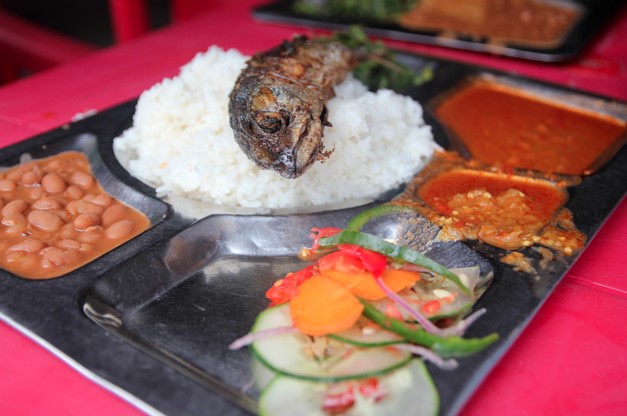
The staple foods in Tanzania include maize, rice, cassava, millet, and sorghum. Ugali, a stiff porridge made from maize flour, is a common dish in Tanzania and is often served with stews and meat dishes. Wali, or rice, is also a popular staple. Chapati, a type of flatbread, is another staple food that is often served with meat or vegetable curries.
Spices and Seasonings
Spices and seasonings are an essential part of Tanzanian cooking, adding depth and complexity to dishes. Some of the most commonly used spices and seasonings include cumin, coriander, turmeric, ginger, garlic, and chili. Other popular seasonings include coconut milk, tamarind, and mango powder. Masala, a spice blend that typically includes cumin, coriander, cardamom, cinnamon, and cloves, is also commonly used in Tanzanian cooking.
Protein Sources in Tanzanian Cooking
Meat is a staple in Tanzanian cooking, with beef, chicken, goat, and fish all commonly used. In coastal areas, seafood is a popular protein source, with dishes such as grilled fish and coconut seafood curries being popular. Beans and lentils are also commonly used as a protein source and are often cooked with spices and coconut milk.
Vegetables and Fruits in Tanzanian Cuisine
Tanzanian cuisine makes ample use of fresh vegetables and fruits. Common vegetables used in Tanzanian cooking include spinach, kale, pumpkin, eggplant, and okra. Fruits such as bananas, mangoes, passion fruit, and papaya are also frequently used in desserts and beverages.
Desserts and Beverages in Tanzania
Desserts in Tanzania often feature fruit, such as fruit salad or banana fritters. Beverages include chai tea, coffee, and fresh fruit juices. Coconut water is also a popular beverage, especially in coastal areas. Additionally, palm wine, a fermented drink made from the sap of palm trees, is a popular alcoholic beverage in Tanzania.
In conclusion, Tanzanian cuisine is a diverse and flavorful cuisine that offers a unique blend of African, Indian, and Arabic culinary traditions. From its hearty stews and curries to its fresh fruits and desserts, the cuisine is a reflection of the country’s rich cultural background. Whether you are a meat lover, a vegetarian, or a dessert enthusiast, there is something for everyone in Tanzanian cuisine.



Facebook Comments