 John Myers
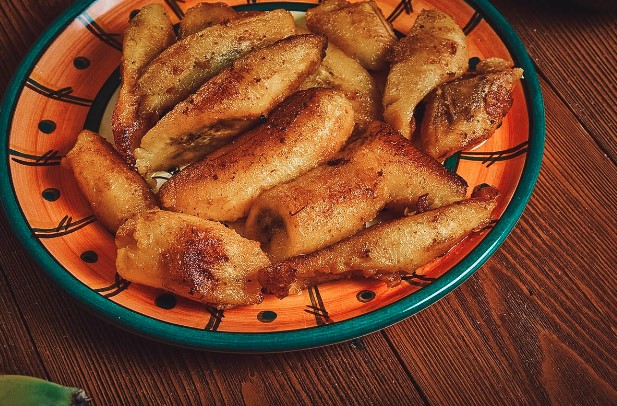
Introduction: The Diversity of Tanzanian Cuisine
Tanzania, located in East Africa, is known for its rich cultural heritage, diverse population, and varied cuisine. With more than 120 ethnic groups, Tanzanian cuisine is a reflection of the many cultural influences that have shaped the country’s history. Traditional cooking methods, passed down from generation to generation, are still used in many households and restaurants throughout the country.
Cooking Methods: Firewood, Charcoal, and Gas
The most common cooking methods in Tanzania are firewood, charcoal, and gas. Firewood is the traditional method of cooking used in rural areas, where wood is abundant and affordable. Charcoal is also widely used and is preferred for its convenience and affordability. Gas is a more modern cooking method and is becoming increasingly popular in urban areas. While gas is more expensive than firewood and charcoal, it is faster and more efficient, making it a preferred method for many households and restaurants.
Clay Pots and Traditional Ovens: The Backbone of Tanzanian Cooking
Clay pots and traditional ovens are the backbone of Tanzanian cooking. Clay pots are used to cook stews, soups, and other dishes, as they distribute heat evenly and retain moisture. Traditional ovens, known as jiko, are used to cook meat, fish, and vegetables. These ovens are constructed using bricks and charcoal, and the heat is controlled by adjusting the airflow. The jiko is an important part of Tanzanian culture, and it is often used in social gatherings and celebrations.
Spices and Seasonings: Adding Flavor to Traditional Dishes
Tanzanian cuisine is known for its bold flavors and use of spices and seasonings. Common spices include cardamom, cinnamon, cumin, cloves, and turmeric. Coconut milk, tamarind, and chili peppers are also used to add flavor to many dishes. The use of spices and seasonings varies depending on the region and ethnic group. For example, the coastal regions of Tanzania use more coconut milk and seafood, while the central and northern regions use more meat and vegetables.
Popular Tanzanian Dishes: From Wali na Maharage to Nyama Choma
Some of the most popular dishes in Tanzania include wali na maharage (rice and beans), ugali (a maize-based porridge), and nyama choma (grilled meat). Other popular dishes include pilau (rice cooked with spices), samosas (stuffed pastries), and chai (spiced tea). The Swahili cuisine of the coastal regions is known for its seafood dishes, such as biryani (spiced rice with seafood), and fish curry.
Conclusion: Preserving the Rich Culinary Heritage of Tanzania
Traditional cooking methods and culinary practices have been passed down from generation to generation in Tanzania. They are an essential part of the country’s cultural heritage and are still used in many households and restaurants today. As Tanzanian cuisine continues to evolve, it is important to preserve these traditions and ensure that they are passed down to future generations. By doing so, we can continue to appreciate the rich diversity and cultural heritage of Tanzanian cuisine.


Facebook Comments