 John Myers
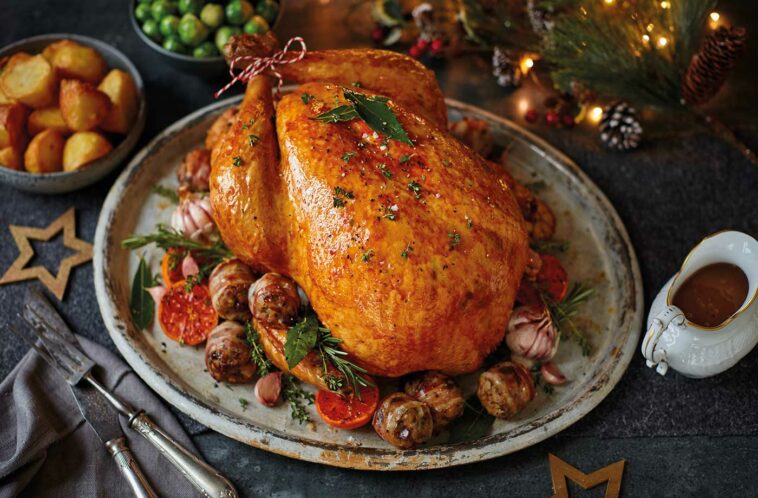
Introduction: Turkish cuisine and its traditional cooking methods
Turkish cuisine is a fusion of various cultures that have influenced the country throughout its history. With a rich blend of Mediterranean, Middle Eastern, and Central Asian flavors, Turkish cuisine is a delicious representation of its diverse cultural heritage. Traditional cooking methods are an integral part of Turkish cuisine, and they have been passed down through generations.
Grilling and roasting: Charcoal grilling and wood-fired oven
Grilling and roasting are some of the most popular traditional cooking methods in Turkish cuisine. Charcoal grilling, or mangal, is an ancient cooking technique that is still widely used in Turkey. Meat, fish, and vegetables are skewered and cooked over a charcoal fire, giving them a smoky flavor. Another popular method is wood-fired oven cooking, or tandir. Tandir is a special oven that is built into the ground, and food is slow-cooked inside the oven for several hours. This method is used to cook bread, meat, and vegetables.
Sauteing and frying: Butter, olive oil, sunflower oil, and more
Sauteing and frying are cooking methods that are commonly used in Turkish cuisine. Butter, olive oil, sunflower oil, and vegetable oil are some of the most popular cooking fats used in Turkish cuisine. Sauteing is a method of cooking food quickly in a pan over high heat, while frying involves submerging food in hot oil. Turkish cuisine is famous for its fried snacks, such as borek and kofte, which are made with ground meat and spices.
Boiling and steaming: Stews, soups, and vegetable dishes
Boiling and steaming are cooking techniques that are commonly used to prepare soups, stews, and vegetable dishes in Turkish cuisine. Vegetable dishes such as dolma and imam bayildi are boiled or steamed, while stews such as kuru fasulye and turlu are cooked slowly over low heat. The use of spices such as cumin, coriander, and paprika adds depth to the flavors of these dishes.
Baking and pastry: Phyllo dough, baklava, and simit
Baking and pastry are important aspects of Turkish cuisine. Phyllo dough is a staple ingredient in Turkish baking, used to make savory and sweet pastries such as borek and baklava. Baklava, a sweet pastry made with layers of phyllo dough and honey syrup, is one of the most famous Turkish desserts. Another popular pastry is simit, a sesame-covered bread ring that is often eaten for breakfast.
Conclusion: The significance of traditional cooking methods in Turkish cuisine
Traditional cooking methods play a significant role in Turkish cuisine, and they are an important part of the country’s cultural heritage. The use of different cooking techniques, such as grilling, sauteing, boiling, and baking, adds depth to the flavors of Turkish dishes. By preserving these traditional cooking methods, Turkish cuisine continues to be a delicious representation of the country’s rich cultural heritage.


Facebook Comments