 John Myers
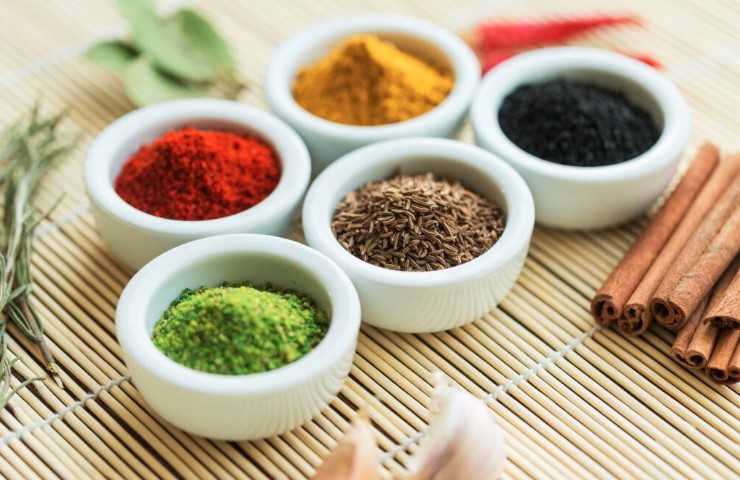
Introduction to Pakistani spices
Pakistani cuisine is known for its rich flavors and aroma, thanks to the use of exotic spices. Spices play a crucial role in Pakistani cuisine, and they are used to enhance the taste and aroma of the dishes. Pakistani cuisine has a unique blend of spices that are used to cook dishes that are both savory and sweet. These spices not only make the food taste delicious but also have medicinal properties.
The traditional spices used in Pakistani cuisine are not only limited to the region but are also popular in other parts of the world. These spices range from mild to hot and spicy, and each spice has its unique flavor and aroma. The use of spices in Pakistani cuisine is not just for taste but also for their health benefits.
Cumin – the king of spices
Cumin is one of the most commonly used spices in Pakistani cuisine. It has a warm, earthy, and slightly bitter flavor that adds depth and complexity to dishes. Cumin seeds are toasted or ground and used in curries, stews, and rice dishes. Cumin is also used in spice blends like garam masala and chaat masala.
Cumin is not only used in cooking but also has many health benefits. It aids digestion, boosts the immune system, and is a rich source of iron. Cumin is also known for its anti-inflammatory properties, making it a popular spice in traditional medicine.
Coriander – the soul of Pakistani cuisine
Coriander is another essential spice in Pakistani cuisine. It has a citrusy and slightly sweet flavor that complements other spices. Coriander seeds are used whole or ground, and the leaves are used as a garnish. Coriander is used in curries, chutneys, and marinades.
Coriander has many health benefits, including aiding digestion, reducing inflammation, and lowering blood sugar levels. It is also a good source of antioxidants and vitamins that help boost the immune system.
Turmeric – the golden spice
Turmeric is a bright yellow spice that is used in Pakistani cuisine to add color and flavor to dishes. Turmeric has a slightly bitter taste and a warm aroma. It is used in curries, rice dishes, and spice blends like garam masala.
Turmeric has many health benefits, including anti-inflammatory properties that can help with arthritis, Alzheimer’s disease, and other chronic conditions. It is also a potent antioxidant that helps protect the body from damage caused by free radicals.
Red chilli – the heat provider
Red chilli is a popular spice in Pakistani cuisine that provides heat to dishes. It has a spicy and pungent flavor that can range from mild to hot. Red chilli is used in curries, marinades, and spice blends like garam masala.
Red chilli has many health benefits, including boosting metabolism and aiding in weight loss. It is also a rich source of vitamin C, which helps boost the immune system.
Garam Masala – the blend of traditional spices
Garam masala is a blend of traditional spices used in Pakistani cuisine. It has a warm and fragrant flavor that adds depth and complexity to dishes. Garam masala is made from a mixture of cumin, coriander, cinnamon, cardamom, cloves, and black pepper.
Garam masala has many health benefits, including aiding digestion, reducing inflammation, and boosting the immune system. It is also a good source of antioxidants and vitamins that help protect the body from damage caused by free radicals.
In conclusion, Pakistani cuisine is known for its rich and exotic flavors, thanks to the use of traditional spices. These spices not only make the food taste delicious but also have many health benefits. From cumin, coriander, and turmeric to red chilli and garam masala, Pakistani cuisine has a unique blend of spices that are used to create dishes that are both savory and sweet.


Facebook Comments