 John Myers
Introduction: The importance of diet for beard health
Growing a luxurious beard is not just about luck – it takes dedicated care and attention to achieve the desired results. While using beard care products is essential, diet also plays a crucial role in promoting beard health. The foods you eat supply the necessary nutrients to strengthen your facial hair, prevent hair loss, and stimulate growth. In this article, we will discuss foods that benefit beard health and help you achieve a fuller and healthier beard.
1 Protein-rich foods for strong, healthy hair
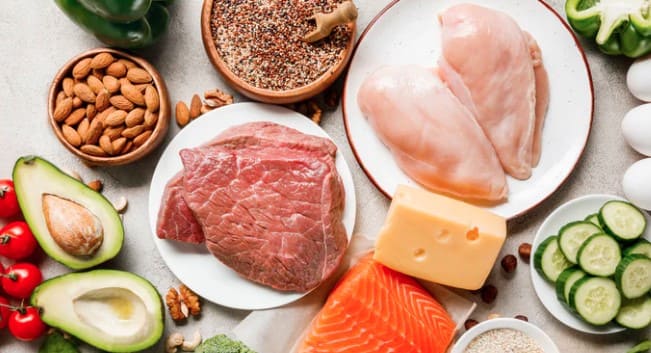
Protein is an essential building block for hair growth, and a diet rich in protein can help promote beard growth and prevent breakage. Eating foods such as eggs, chicken, fish, and legumes can provide your body with the necessary amino acids to support healthy hair growth. Incorporating protein into your daily diet can also help reduce hair damage caused by environmental factors such as sun exposure, pollution, and harsh chemicals.
2 Omega-3 fatty acids: essential for beard growth
Omega-3 fatty acids are essential for healthy hair growth, and they play a vital role in keeping your beard looking full and healthy. Foods such as salmon, walnuts, flax seeds, and chia seeds are rich in omega-3 fatty acids and can provide your body with the necessary nutrients to promote beard growth. Omega-3 fatty acids also help reduce inflammation, which can prevent hair loss and promote healthy hair growth.
3 Vitamin C: a key nutrient for collagen production
Vitamin C is a vital nutrient for collagen production, which is necessary for healthy hair growth. Collagen is a protein that provides structure to your hair follicles, and a lack of collagen can lead to brittle, weak hair. Foods such as citrus fruits, berries, kiwi, and dark leafy greens are excellent sources of vitamin C and can help maintain healthy collagen levels to promote healthy hair growth.
4 Biotin: the “hair vitamin” for fuller beards
Biotin, also known as vitamin H, is a vital nutrient for healthy hair growth, and it is often referred to as the “hair vitamin.” Biotin helps produce keratin, a protein that makes up your hair, skin, and nails. Foods such as eggs, nuts, seeds, and liver are excellent sources of biotin and can help promote fuller, healthier beards.
5 Iron-rich foods to prevent hair loss
Iron is essential for healthy hair growth, and a lack of iron can lead to hair loss. Incorporating iron-rich foods such as spinach, red meat, lentils, and beans into your diet can provide your body with the necessary nutrients to prevent hair loss and promote healthy hair growth.
6 Zinc: promoting healthy hair growth and repair
Zinc is a vital nutrient that helps promote healthy hair growth and repair. Zinc deficiency can lead to hair loss and a lack of beard growth. Foods such as oysters, beef, pumpkin seeds, and chickpeas are excellent sources of zinc and can help promote healthy hair growth and repair.
7 Vitamin E: nourishing your beard from the inside out
Vitamin E is an antioxidant that helps protect cells from damage and promotes healthy hair growth. Foods such as almonds, avocados, spinach, and sunflower seeds are excellent sources of vitamin E and can help nourish your beard from the inside out.
Conclusion: Incorporating these foods in your diet for optimal beard health
A healthy diet is essential for promoting beard health, and incorporating protein-rich foods, omega-3 fatty acids, vitamin C, biotin, iron-rich foods, zinc, and vitamin E into your diet can help promote healthy beard growth and prevent hair loss. With a proper diet and the right beard care routine, you can achieve a full and healthy beard that will make heads turn.


Facebook Comments