 John Myers
Introduction to Chilean Cuisine
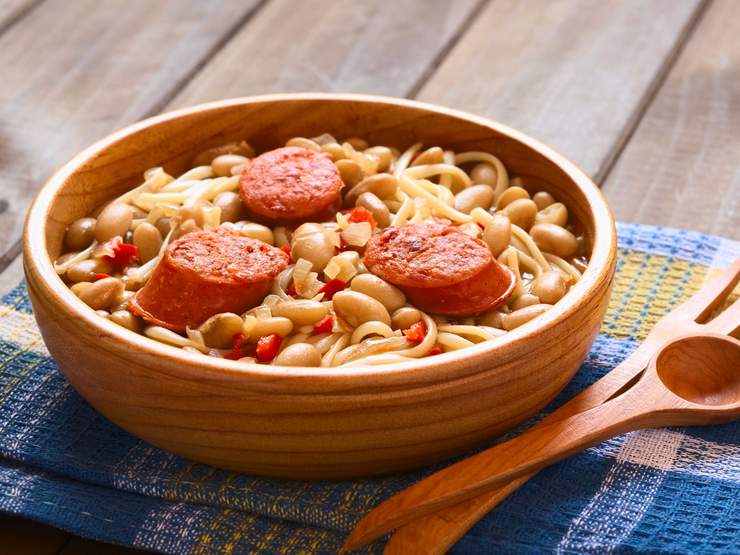
Chilean cuisine is a blend of indigenous and colonial cooking styles that have been influenced by various factors such as geography, climate, and migration. The cuisine is known for its diversity of flavors, ranging from spicy and tangy to sweet and savory. Chilean cuisine is predominantly based on seafood, meat, vegetables, and fruits.
Chilean cuisine has been gaining popularity worldwide in recent years due to its unique flavors and ingredients. The cuisine has been shaped by the country’s rich history and cultural diversity, and it continues to evolve with the changing times.
Key Ingredients in Chilean Cuisine
The key ingredients in Chilean cuisine are seafood, meat, grains, vegetables, and fruits. The country’s long coastline provides an abundance of fresh seafood such as salmon, sea bass, and clams, which are commonly used in dishes like ceviche and empanadas de mariscos.
Meat, particularly beef, is also a staple of Chilean cuisine, with dishes like asado and churrasco being popular. Grains such as quinoa and corn are used in soups and stews, while vegetables like potatoes, onions, and tomatoes are used in a variety of dishes.
Popular Dishes in Chilean Cuisine
One of the most popular dishes in Chilean cuisine is empanadas, which are stuffed pastries that can be filled with a variety of ingredients such as ground beef, cheese, and seafood. Another popular dish is asado, which is a barbecue-style meal that typically includes beef, pork, and sausage.
Chilean seafood dishes like ceviche and caldillo de congrio (a soup made with eel) are also popular. Traditional dishes like cazuela, a meat and vegetable stew, and pastel de choclo, a corn and meat pie, are also widely enjoyed.
The Influence of Indigenous and Colonial Cuisine
Chilean cuisine has been heavily influenced by both indigenous and colonial cooking styles. Indigenous ingredients such as potatoes, quinoa, and corn have been incorporated into traditional dishes, while colonial influences have brought ingredients like beef, pork, and wine.
The Mapuche, Chile’s largest indigenous group, have also made significant contributions to Chilean cuisine. Their use of native herbs and spices can be found in dishes like merkén, a smoked chili powder.
Chilean Wine and Beverages
Chilean wine is renowned worldwide and is a significant part of the country’s cuisine. The country produces a variety of wines, including cabernet sauvignon, chardonnay, and sauvignon blanc.
Other popular Chilean beverages include pisco, a grape brandy used in cocktails like the pisco sour, and mote con huesillo, a sweet drink made with dried peaches and wheat.
Conclusion: The Diversity of Chilean Cuisine
Chilean cuisine is a reflection of the country’s rich history and cultural diversity. The cuisine has been shaped by a variety of factors and continues to evolve with the changing times.
From seafood and meat dishes to indigenous ingredients and colonial influences, Chilean cuisine is a delight for the taste buds. The country’s wines and beverages also add to the overall dining experience, making Chilean cuisine truly unique and worth exploring.


Facebook Comments