 John Myers
Introduction to Estonian Cuisine
Estonian cuisine reflects the country’s history and geography. Located in Northern Europe, Estonia’s cuisine is influenced by its neighbors, such as Russia, Germany, and Scandinavia. The cuisine is characterized by simple and hearty dishes that are made with fresh and seasonal ingredients. Historically, Estonian cuisine was based on the consumption of fish and meat, but modern cuisine has expanded to include a variety of vegetables, fruits, and grains.
Estonian cuisine is also known for its preservation techniques, such as smoking, salting, and pickling, which were essential for preserving food during the long and cold winters. These preservation methods are still used today and have become an integral part of Estonian cuisine. Another aspect of Estonian cuisine is the use of dairy products, such as cheese and butter, which are widely consumed and used in cooking.
Traditional Ingredients and Dishes
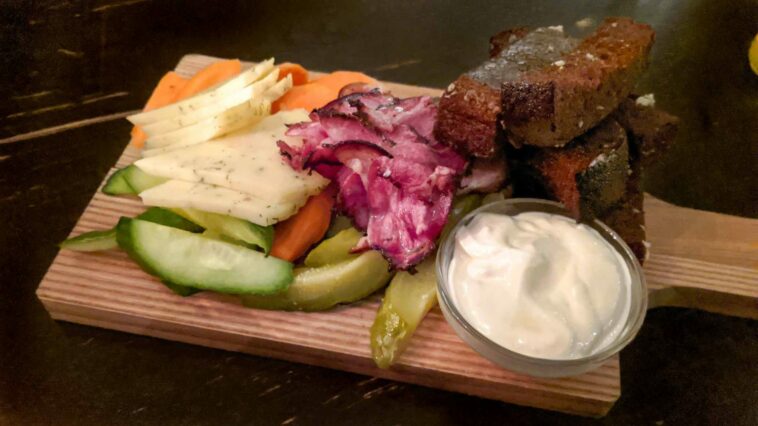
One of the most popular traditional dishes in Estonia is black bread, which is made from rye flour and has a dense texture and a slightly sweet taste. Another popular dish is kama, which is a mixture of milled grains, such as barley, rye, and wheat, that are often eaten with yogurt or sour cream. Other traditional dishes include blood sausage, smoked fish, and sauerkraut.
Estonian cuisine also features a variety of meat dishes, such as roast pork, beef stew, and elk roast. These dishes are often served with potatoes, which are a staple in Estonian cuisine. Other traditional ingredients include mushrooms, berries, and wild herbs, which are commonly used in soups and stews.
Influences and Modern Developments
Estonian cuisine has been influenced by various cultures throughout history. For example, the German influence can be seen in dishes such as sauerkraut and schnitzel, while Russian influence can be seen in dishes such as borscht and pelmeni. In recent years, Estonian cuisine has undergone a modernization, with chefs incorporating new techniques and flavors into traditional dishes.
Modern Estonian cuisine is characterized by its focus on local and seasonal ingredients, with many restaurants sourcing ingredients directly from local farms and producers. The cuisine has also become more diverse, with international flavors and influences making their way into Estonian kitchens. Today, Estonian cuisine continues to evolve, with a focus on sustainability, innovation, and preserving traditional techniques and flavors.


Facebook Comments