 John Myers
Introduction: Lesotho’s Culinary Heritage
Lesotho is a small landlocked country located within South Africa, known for its mountainous terrain, rich culture, and cuisine. The country’s culinary heritage is primarily influenced by its history, geography, and available resources. Lesotho’s cuisine is characterized by its hearty and flavorful dishes made from locally sourced ingredients, including grains, vegetables, and meat.
Lesotho’s traditional dishes are not widely known outside of the country, making them a unique and exciting discovery for culinary enthusiasts. The flavors and ingredients used in Lesotho cuisine are reflective of the country’s history and its people’s way of life. Today, Lesotho’s culinary traditions remain a significant part of the country’s cultural identity.
Lesotho Dishes: Traditional Flavors and Ingredients
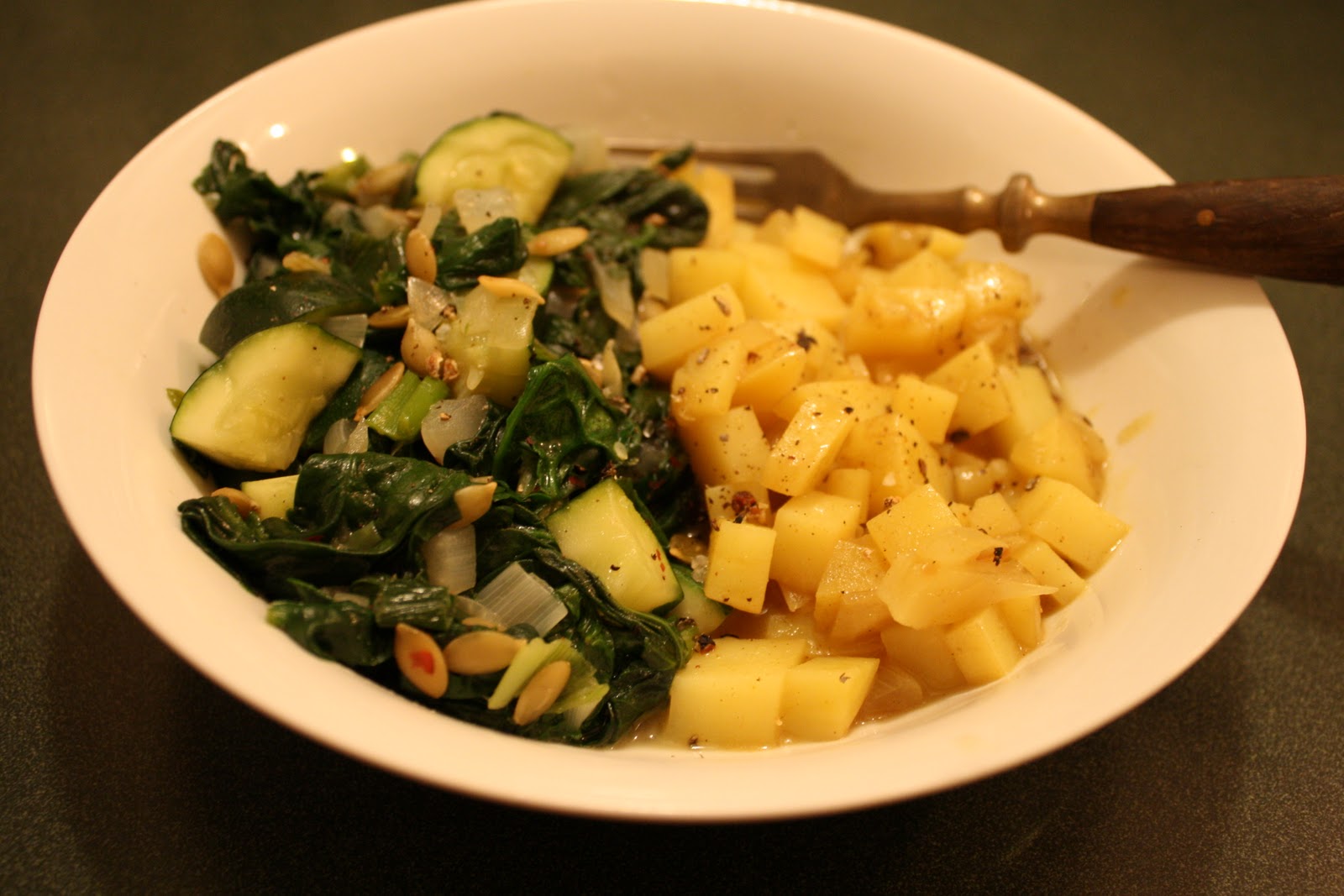
Lesotho cuisine is diverse, with dishes that vary depending on the region and ethnic group. Some of the most popular dishes in Lesotho include pap (maize porridge), moroho (cooked and seasoned spinach), chakalaka (spicy vegetable relish), and sosaties (grilled meat skewers). These dishes are often accompanied by meat cuts, including beef, lamb, and chicken, which are seasoned with spices like ginger, garlic, and cumin.
Lesotho’s cuisine also features indigenous plants that grow in the country’s highlands, such as sorghum, millet, and mabele (sorghum meal). These grains are used to make bread, porridges, and beer, which have been a staple in Lesotho’s diet for centuries. Additionally, wild herbs and spices, including buchu and mountain sage, are used to flavor dishes and create medicinal teas.
Influences and Innovations in Lesotho Cuisine
Lesotho’s cuisine has been influenced by various factors, including its neighboring countries, colonial history, and modernization. South African dishes, such as braai (barbecue) and boerewors (sausage), have become familiar in Lesotho, while colonial influences brought wheat, sugar, and tea to the country. The recent influx of tourists has also led to a rise in international cuisine, with fusion dishes that combine local ingredients with foreign flavors.
Despite these changes, Lesotho’s culinary traditions remain strong. Innovations in food production and processing have made it possible to preserve and distribute traditional dishes, making them more accessible to locals and visitors alike. Through its cuisine, Lesotho continues to celebrate its cultural heritage while embracing new culinary experiences.


Facebook Comments