 John Myers
Introduction: Namibian Cuisine Overview
Namibian cuisine draws influences from its diverse ethnic groups and history, creating a unique blend of flavors and ingredients. The country is situated in southwestern Africa and has a coastline along the Atlantic Ocean. Namibian cuisine primarily features indigenous ingredients and traditional cooking methods. It also has influences from German and South African cuisine, due to colonialism in the past.
Indigenous Ingredients and Flavors
Namibia has a variety of indigenous ingredients that add a distinct flavor to its cuisine. These include mopane worms, omajava fruit, marula fruit, and wild spinach. Mopane worms are a popular snack in Namibia and are usually fried or dried. Omajava fruit is used to make a refreshing drink, and marula fruit is used to make a liqueur. Wild spinach is used in soups and stews and is a nutrient-rich vegetable.
Staple Foods and Traditional Dishes
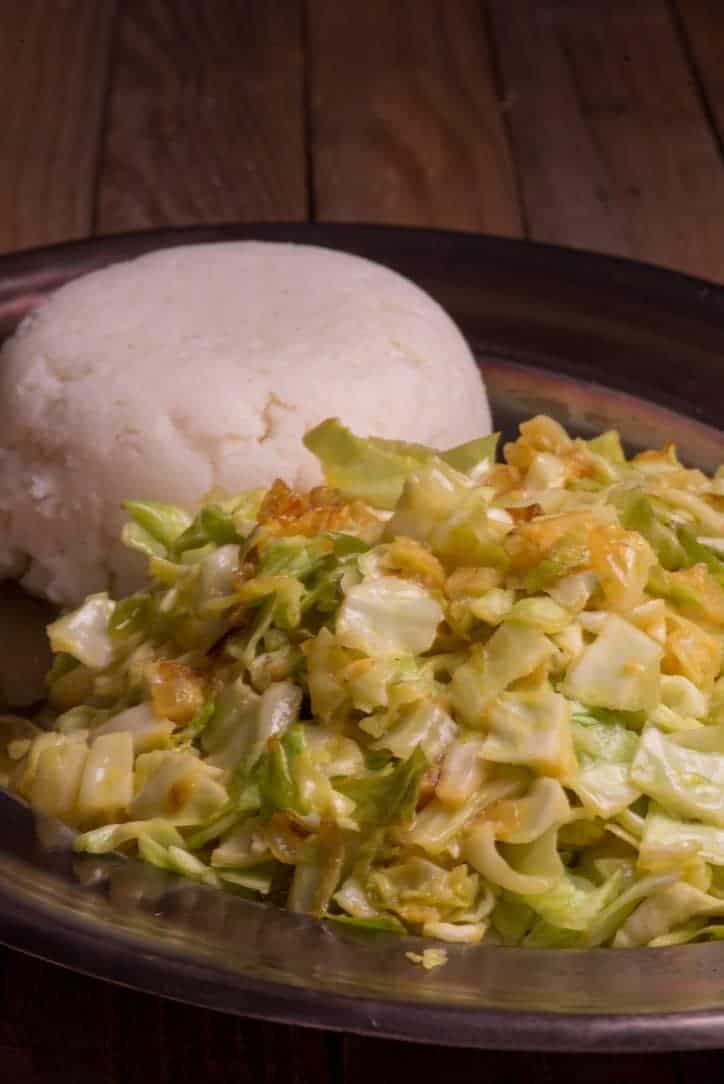
Maize porridge, known as pap, is a staple food in Namibia and is served with most meals. Other popular dishes include oshifima, a thick porridge made from millet or sorghum, and kapana, grilled meat served with spices. In the north, traditional dishes include oshikundu, a fermented drink made from mahangu, and oshifima served with a meat and tomato sauce.
Braai: Namibia’s Unique Barbecue
Braai, or barbecuing, is a popular activity in Namibia and is considered a social event. Namibians often braai meat such as beef, lamb, or game, along with vegetables such as corn on the cob. The meat is marinated in spices and grilled over an open flame. Braai is a unique aspect of Namibian culture and is a source of national pride.
Influence of German and South African Cuisine
Namibia was a German colony from 1884 to 1915 and was later administered by South Africa. As a result, Namibian cuisine has been influenced by both German and South African cuisine. German influences can be seen in dishes such as schnitzel and sauerkraut, while South African influences can be seen in dishes such as boerewors, a type of sausage.
Modern Fusion and Contemporary Cuisine
In recent years, Namibian chefs have been experimenting with fusion cuisine, blending traditional Namibian flavors with international ingredients. There has also been a rise in contemporary cuisine, with restaurants offering innovative dishes using local ingredients. Some popular modern restaurants in Namibia include NICE restaurant and the Stellenbosch Wine Bar and Bistro.


Facebook Comments